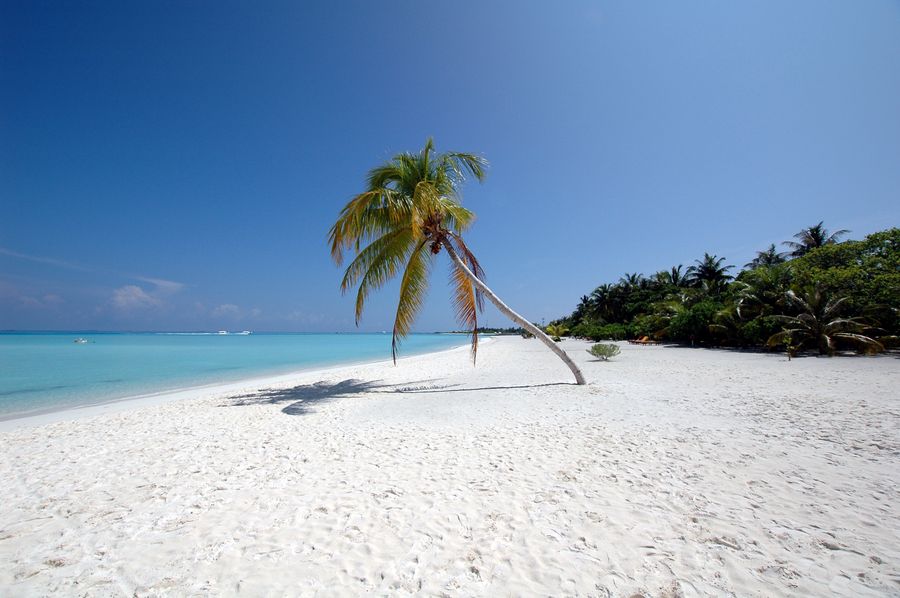
Before concrete and imported block, island builders used what the reef gave them. Cut coral stone made walls, and the same stone made the small mosques that still stand in island villages. Many are still in use. A few are protected as heritage. All deserve the care you would give any place of prayer.
01
Building in coral stone
Coral stone is reef rock cut into blocks while it is still soft, then left to harden as it dries. Island builders used it for walls, for mosque enclosures and for grave markers. The stone is pale, porous and light enough to lift, which suited islands with no quarry and no heavy machinery.
The result is a building tradition found across the atolls. A small mosque might be a simple rectangular hall with a shallow pitched roof, thick coral walls and a few openings. Larger ones carry more decoration. Much of what survives has been repaired, rendered or partly rebuilt over the years, so the coral is not always visible at first glance.
Which mosques survive, and in what condition, varies from island to island. Some are well kept and in daily use. Others stand empty or have been altered. A few are recognised as heritage and protected, though the list is not fixed and the official source is the place to confirm the status of any particular building.
02
Carved panels and interiors
The decoration on these mosques is often in the detail. Carved coral panels set into walls or around doorways carry geometric patterns and calligraphy. Inside, some buildings have carved timber work, painted ceilings or lacquered panels, and the craft overlaps with the woodwork traditions found elsewhere in the islands.
Not every mosque has this. A village mosque may be plain, with whitewashed walls and a simple minbar. Where carving survives it is often fragile, and some panels have been removed for safekeeping or replaced during repairs. What you see on a visit may be a later restoration rather than the original surface.
The dating is similarly cautious. Many of these mosques are said to date from the sixteenth century onward, and some are older in foundation. Precise dates are hard to fix, and island histories and local accounts do not always agree. Treat any date you are given as approximate unless an official heritage source states it.
- Look for: carved coral panels around doorways and set into walls.
- Inside: carved timber, painted ceilings, lacquered panels in some buildings.
- Condition: varies widely; repairs and replacements are common.
- Dating: often given as sixteenth century onward, but approximate.
03
The graveyards beside them
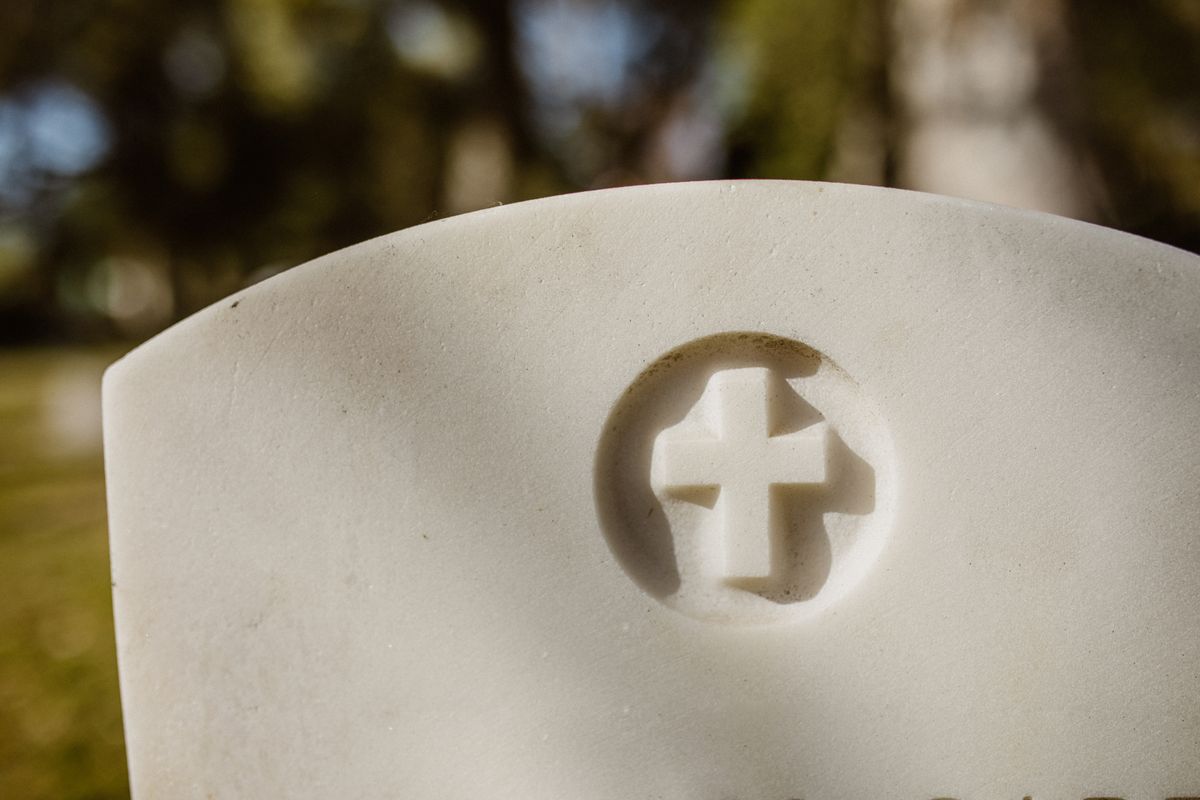
Most of these mosques have a graveyard alongside, sometimes walled, sometimes open to the beach. The graves are marked in different ways. Some have simple upright coral headstones, carved or plain. Others are low mounds, or stones set flat at head and foot. The forms vary between islands and between one grave and the next.
Carved headstones may carry calligraphy, geometric motifs or a name and date, though weathering and salt make many illegible. Some graveyards hold the graves of people remembered locally, and islanders may visit them on particular occasions. A few are enclosed or locked, and access is at the discretion of the community.
Walk carefully. Graves are not stepping stones and the ground between them can be uneven or collapse at the edges. Keep to paths where they exist, and do not move stones, shells or offerings placed on a grave.

04
Visiting with respect
These are working places of worship. Before you go in, ask. A guesthouse or a person at the mosque can tell you whether visitors are welcome and at what times. Friday midday prayers close many businesses and the mosque will be busy, so plan around them.
Dress modestly: shoulders and knees covered, and shoes off at the entrance. Women may be asked to cover their heads, and some mosques have a separate area or do not admit visitors at all. Photography inside is often unwelcome, and photographing people at prayer or mourners at a grave is not appropriate.
During Ramadan, and at any time, keep your voice low and do not eat, drink or smoke near the building. If a service is under way, wait outside or come back later. A short visit, made quietly, is the right measure.
05
Where to find them
Coral-stone mosques are scattered across the inhabited islands rather than concentrated in one atoll. Malé has old mosques of its own, and the older parts of the city are worth a walk for that reason. Beyond the capital, the smaller village mosques are usually found near the harbour or the centre of the island.
On any local island, the mosque is easy to find: it is often the building with the tallest structure in the village. Ask your guesthouse which old buildings on the island are worth seeing and which are open to visitors. Some islands have more than one, and the older one may be the plainer.
Allow time to walk the graveyard as well as the building. The two belong together, and the stones often tell you more about the island's history than the mosque walls do.
- Malé: old mosques in the older streets of the capital.
- Local islands: village mosques near the harbour or centre.
- Ask first: your guesthouse knows which buildings welcome visitors.
06
Care and continuing use
Coral is soft and porous. It erodes in rain, salt and wind, and it does not take modern repairs easily. Cement render traps moisture and can damage the stone beneath, so the repair of these buildings is a specialist job. Some mosques have been restored with care; others have simply been replaced.
That is why the surviving examples matter. They record a way of building that depended on the reef and on island craft, and they sit alongside the carved timber and lacquerwork traditions of the same period. A few are protected as heritage, and the official heritage body is the place to check the status of a particular building.
If you want to see them, go as a visitor to a living place rather than a ruin. The best visits are short, quiet and arranged in advance, and they leave the building as they found it.
FAQ
Questions people ask
What are the coral-stone mosques of the Maldives?+
They are small mosques built from blocks of cut reef rock, found on several inhabited islands. Some have carved coral panels, carved timber or painted interiors. Many are still in use as places of worship, and a few are protected as heritage. Their condition and the extent of original fabric vary widely from island to island.
How old are the coral-stone mosques?+
Many are said to date from the sixteenth century onward, and some have older foundations. Exact dates are difficult to establish, and island accounts do not always agree. Treat any date you are given as approximate unless an official heritage source states it for that building.
Can you go inside a coral-stone mosque?+
Sometimes, but ask first. A guesthouse or someone at the mosque can say whether visitors are welcome and when. Dress modestly with shoulders and knees covered, remove shoes, and keep quiet. Some mosques do not admit visitors, and Friday midday prayers are a busy time to avoid.
What is in the graveyards beside the mosques?+
Graves marked with upright coral headstones, low mounds, or stones set flat at head and foot. Some headstones carry calligraphy, geometric carving or a name and date, though weathering often makes them illegible. The forms vary between islands, and some graves are remembered locally and visited on particular occasions.
Are the carved headstones in the graveyards protected?+
Some mosques and their surroundings are recognised as heritage and protected, but the position is not the same everywhere. Carved stones can be fragile and are sometimes moved for safekeeping. Check with the official heritage body, or ask locally, before assuming a particular graveyard has formal protection.
How should you behave in a coral-stone mosque graveyard?+
Walk carefully and keep to paths. Do not step on graves, move stones or disturb offerings. Keep your voice low, do not photograph mourners or people at prayer, and do not eat, drink or smoke nearby. If a burial or visit is taking place, wait at a distance or come back another time.
Which islands have coral-stone mosques?+
They are spread across the inhabited islands rather than concentrated in one atoll. Malé has old mosques in its older streets, and village mosques are usually near the harbour or centre of an island. Ask your guesthouse which old buildings on the island are worth seeing and open to visitors.
Do you need a guide to see the coral-stone mosques?+
Not usually. On a local island the mosque is easy to find, and a short walk from your guesthouse will bring you to it. What helps is asking first, so you know whether visitors are welcome and when the building is free of prayers. A guide is useful mainly for the history.
What is the difference between coral-stone mosques and coral-stone houses?+
Both use cut reef rock, but they are different buildings. Mosques are places of worship, often with carved panels and a graveyard alongside. Houses were domestic buildings, and their surviving examples are fewer and usually plainer. Visit each with the permission and customs appropriate to it.