

All guides
Showing all 26





Trip groundwork
Before you book Plan the practical details.
Most Maldives trips turn on a few practical points: when the flight lands, how the transfer runs, which island type suits you and what the monsoon is doing. Sorting these before booking saves trouble later.
01
Match flights to transfers
Seaplanes fly in daylight only, so a flight that lands after dark usually means an overnight near the airport and a transfer the next morning. Speedboats run day and night, which suits the atolls close to Velana, Kaafu included. Scheduled domestic flights reach regional airports such as Dharavandhoo, Maamigili, Ifuru, Kadhdhoo and Gan, and a boat transfer usually follows. Ask the resort or guesthouse how the transfer is arranged and what happens if your flight is delayed.
Transfer timings change with operators and seasons, so confirm them close to departure. Late arrivals and early departures are the usual cause of a lost first or last night. If the schedule is tight, an island near the airport removes the risk. The seaplane terminal sits on the same airport island, which keeps the connection short. Keep hand luggage light enough to travel with you if the hold bag follows on a later flight.
02
Resort or local island
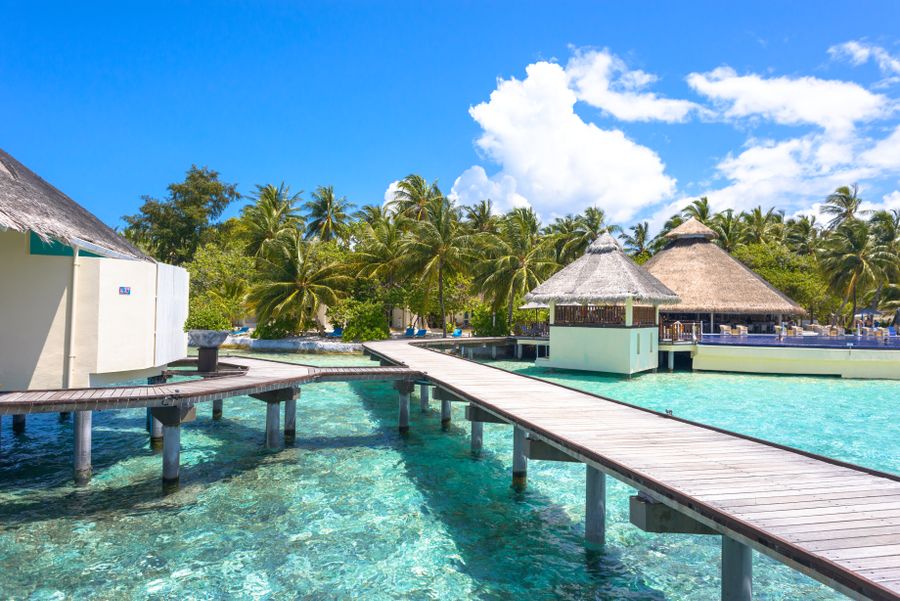
Resort islands hold one resort each, serve alcohol and arrange transfers. Inhabited islands have guesthouses, villages, mosques, schools and harbours, with no alcohol and swimwear limited to designated beaches, often called bikini beaches. Shoulders and knees are covered in the village. Friday midday prayers close many businesses, and during Ramadan eating and drinking in public in daylight is avoided. The choice shapes the whole trip, so decide before comparing islands.
Local islands suit travellers who want village life and a slower pace. Resort islands suit those who want everything arranged on one island. Both give access to reefs, though house reefs vary. Check what the guesthouse or resort provides for excursions, since dive and snorkel trips are usually booked through them. The resort-or-local-island guide sets out the differences in more detail.
03
Read the two monsoons
The year turns on two monsoons. Iruvai, the northeast monsoon, runs roughly December to April and is drier and calmer. Hulhangu, the southwest monsoon, runs roughly May to November, with more wind, passing showers and choppier crossings. Air and sea stay warm all year. Neither season guarantees anything, and local weather can differ from the general pattern, so treat the months as a guide rather than a promise.
The monsoon affects crossings as much as beach days. Choppier seas can make speedboat transfers uncomfortable, and some dive and excursion schedules adjust to conditions. Surfers often watch Hulhangu for swell on reef breaks. Divers may prefer calmer Iruvai for crossings to distant sites. The blog on the two winds explains the pattern further. Ask the dive centre or guesthouse what conditions to expect in your chosen month.
04
Paperwork, money and packing
Entry rules, permits, visitor caps and timetables change, so check current requirements with the official source before booking and again before departure. Confirm passport validity and any visa or health formalities there rather than relying on older advice. On local islands, importing alcohol and pork is not allowed. Travel insurance that covers diving and boat travel is worth arranging in advance. Keep copies of bookings and transfer confirmations where you can reach them offline.
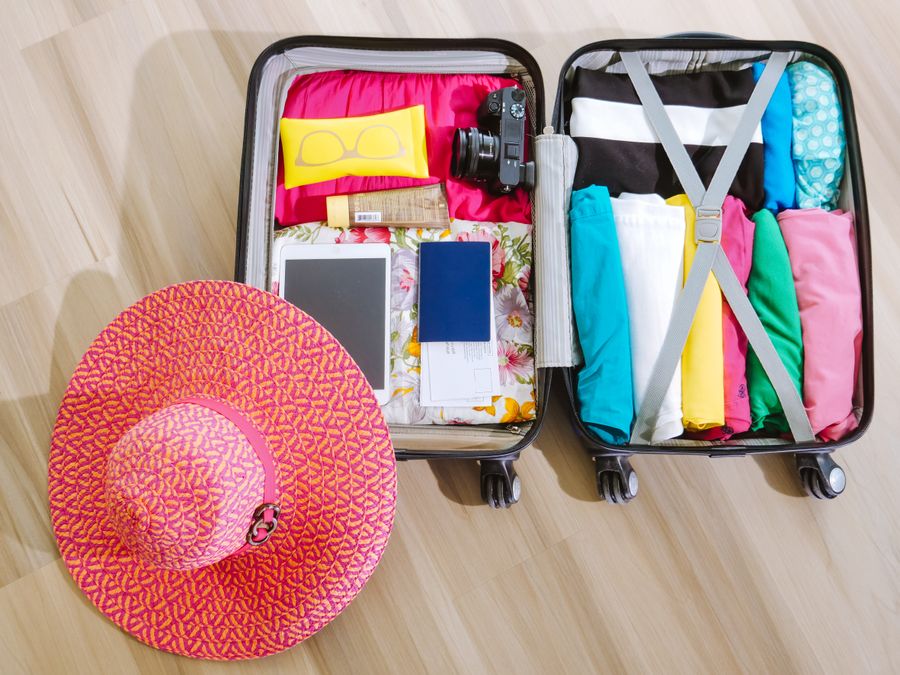
Cards are widely used on resort islands, while local islands and ferries often run on cash, so carry some in local currency or a widely accepted foreign one. A fee is usually charged for card use in small businesses. Mobile coverage reaches many islands, but speeds vary. Pack reef-safe sun protection, a rash vest, footwear for coral rubble and modest clothing for villages. Heat and sun demand water, shade and a hat. Do not collect coral or shells.
Questions people ask.
How do I know whether my flight lands in time for a seaplane transfer?
Seaplanes fly in daylight only, so an arrival late in the day usually means an overnight near the airport and a transfer the next morning. Give the resort or guesthouse your flight details when booking and ask them to confirm the connection. Timings change with operators and seasons, so reconfirm close to departure.
Should I book the transfer myself or let the island arrange it?
Resort islands arrange transfers as part of the booking. Guesthouses on local islands usually book speedboats or domestic flights for guests and know the current schedules. Letting them arrange it keeps the connection coordinated if a flight is delayed. Confirm what is included and who meets you at Velana before you travel.
Which atolls suit a short trip with a late arrival?
Atolls close to Velana, in Kaafu, are reached by speedboat, which runs day and night. That suits a late arrival better than a seaplane, which waits for daylight. Islands further out rely on scheduled domestic flights plus a boat, so they need more time. Ask the guesthouse or resort which transfer fits your flight times.
What should I check about entry rules before booking?
Entry requirements, permits and health formalities change, so check the current rules with the official source before booking and again before departure. Confirm passport validity there too. Do not rely on older advice or forum posts. The resort or guesthouse can point you to the official source but cannot change the rules.
How should I handle money on resort and local islands?
Cards are widely accepted on resort islands. Local islands, public ferries and small shops often run on cash, so carry some local currency or a widely accepted foreign one. A fee is usually charged for card use in small businesses. Check with the guesthouse about cash needs before you arrive, since not every island has a bank or cash machine.
What should I pack for reefs and for local islands?
For reefs, pack reef-safe sun protection, a rash vest, and footwear for coral rubble. For local islands, bring clothing that covers shoulders and knees for the village, plus swimwear for designated bikini beaches. A hat and refillable water bottle help in the heat. Do not plan to collect coral or shells, which cannot leave the country.
How do the monsoons affect planning a first trip?
Iruvai, roughly December to April, is drier and calmer. Hulhangu, roughly May to November, brings more wind, passing showers and choppier crossings. Air and sea stay warm all year. Neither season guarantees conditions, so treat the months as a guide and ask the dive centre or guesthouse what to expect in your chosen month.