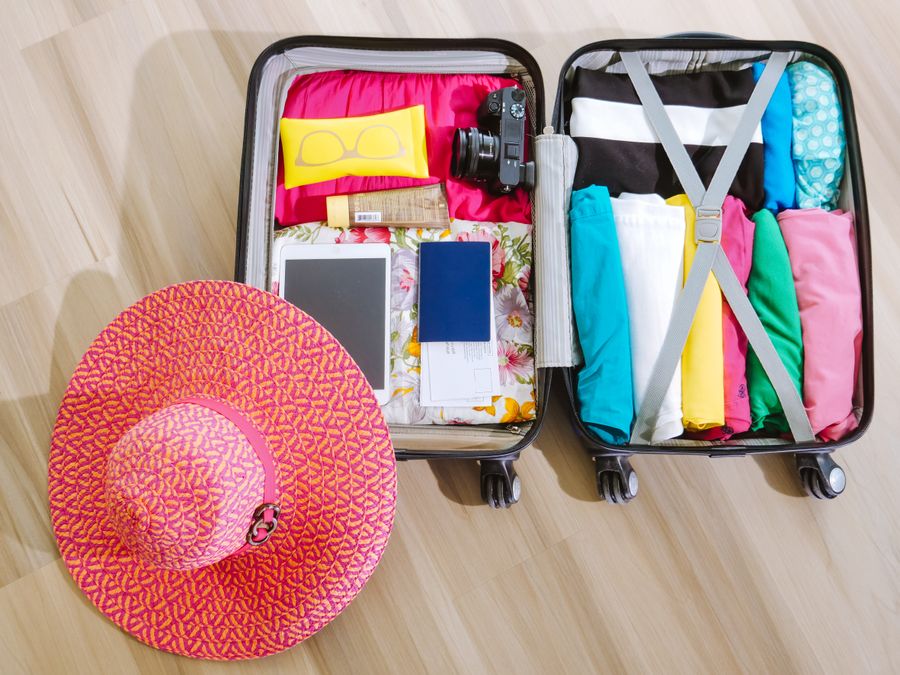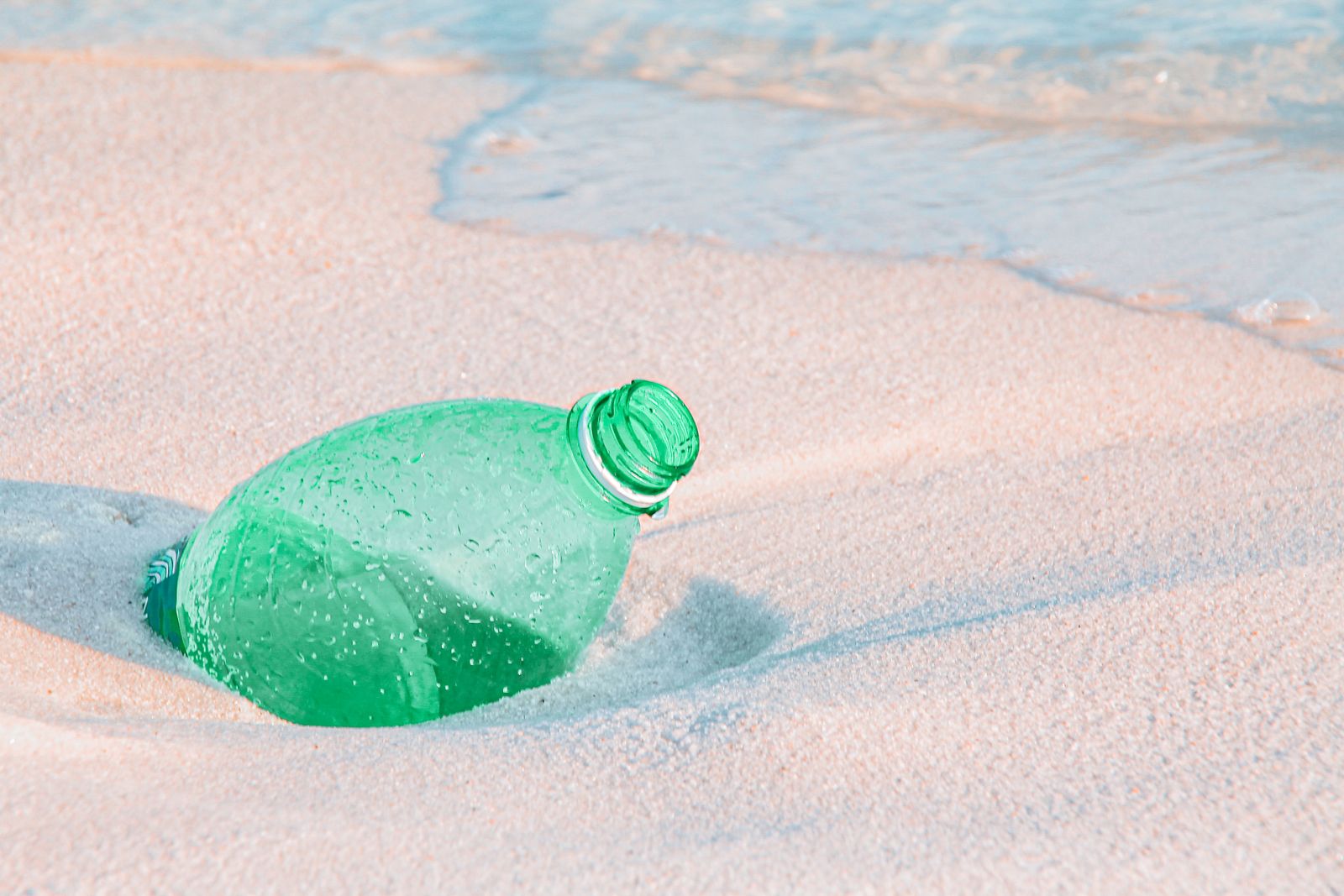
The Maldives is made of low-lying coral islands, and most waste has to be collected, shipped and stored. Tourism adds to the volume. Many resorts and guesthouses now offer refillable water and discourage single-use plastic, though practice varies by island.
01
The pressure of tourism
The Maldives is a country of small islands, and most of them have little space for waste. Tourism brings visitors, and with them packaging, bottles, batteries and food waste. On inhabited islands, waste is collected and often shipped to a few dedicated islands for storage or processing. The system depends on boats and on capacity that is not unlimited.
Plastic pollution is a visible issue on some shores. Currents and tides carry debris, and not all of it comes from the Maldives. Some beaches need regular clearing. The problem is not uniform: some islands are cleaner than others, and the amount of litter you see depends on the season, the currents and local collection arrangements.
- Waste shipped: much of it goes to a few dedicated islands for storage or processing.
- Recycling limited: capacity is small, so separation and export are not always possible.
- Visible litter: some shores collect debris carried by currents and tides.
02
What islands are doing
Many resorts and guesthouses now provide refillable water, often in glass bottles or from filtered dispensers, and discourage single-use plastic. Some have banned plastic straws or switched to paper. How widespread this is varies: larger resorts often have more resources, while smaller guesthouses may still rely on bottled water because of local supply and waste collection limits.
Some islands run conservation or clean-up initiatives, often linked to marine life or reef health. Support where they exist: join a beach clean, use a reef-safe sunscreen, and follow the rules on touching coral. These efforts depend on visitors as much as on staff.

03
Practical choices
Carry a refillable bottle. Many resorts and guesthouses offer filtered water, and some provide refill stations. Ask on arrival whether the tap water is safe to drink; if not, use the refill service. Refusing straws and avoiding single-use packaging is a simple step. Small items like cling film and sachets are hard to recycle and often end up in landfill or on the shore.
Choose reef-safe sunscreen. Some ingredients in ordinary sunscreen are linked to coral damage, and reef-safe products are widely available. When snorkelling or diving, do not touch or stand on coral. The reef is fragile, and contact can break it. Feeding fish also harms the reef, and taking coral or shells out of the country is not allowed.
04
Where waste goes
Waste collection on inhabited islands is usually organised by the island council or a contractor. Bags are taken to a collection point and then shipped to a dedicated waste island. Some waste is burned, and some is stored. Recycling capacity is limited, so glass, metal and plastic may not be separated for recycling even when collection exists.
On resort islands, waste management is part of the resort operation. Many resorts have their own compactors or incinerators, and some ship waste to Malé or to a dedicated facility. The details vary by resort, and it is reasonable to ask how waste is handled if that matters to you.
05
Reef and wildlife
Plastic and other waste can harm marine life. Turtles may mistake plastic bags for food, and fishing line can entangle reef animals. Keeping your own waste secure, and picking up any litter you find on the beach, reduces the risk. Do not bury waste in the sand, as it can resurface and reach the sea.
When snorkelling or diving, keep your distance from wildlife. Touching or standing on coral damages the reef, and feeding fish changes their behaviour. The Maldives caps recreational diving at 30 metres, and dive centres brief divers on local rules. Following the briefing protects the reef and keeps you safe.

06
Supporting local efforts
Local conservation initiatives exist on some islands, often focused on turtles, reef health or beach cleaning. Support where they exist by joining an activity, donating to a local fund, or simply following the rules they set. Guesthouses and dive centres can tell you what is running during your stay.
On local islands, waste management is a community matter. Avoid leaving litter, use the bins provided, and respect any separation rules. During Ramadan, eating and drinking in public in daylight is avoided, and that includes leaving food waste in public places. Small courtesies help keep the island clean for residents and visitors alike.
FAQ
Questions people ask
Is plastic pollution a problem on Maldivian beaches?+
It can be on some shores. Currents and tides carry debris, and not all of it comes from the Maldives. Some beaches need regular clearing. The amount you see varies by island, season and local collection arrangements, so it is not uniform across the country.
Do resorts and guesthouses provide refillable water in the Maldives?+
Many do, often in glass bottles or from filtered dispensers, and some discourage single-use plastic. How widespread this is varies. Larger resorts often have more resources, while smaller guesthouses may still rely on bottled water. Ask your accommodation directly before you travel.
What should I do with my plastic waste on a Maldives island?+
Use the bins provided and avoid leaving litter on the beach. If your island separates waste, follow the local rules. Do not bury waste in the sand, as it can resurface and reach the sea. Ask your guesthouse how waste is collected if you are unsure.
Is reef-safe sunscreen necessary in the Maldives?+
It is a sensible choice. Some ingredients in ordinary sunscreen are linked to coral damage, and reef-safe products are widely available. The Maldives has strict rules on touching coral, and reef-safe sunscreen is part of a low-impact visit. Check the label before you buy.
Where does waste from Maldives islands go?+
Much of it is shipped to a few dedicated islands for storage or processing. Some is burned, and some is stored. Recycling capacity is limited, so separation and export are not always possible. The details vary by island and by resort.
Can visitors join beach clean-ups in the Maldives?+
Sometimes. Some islands run conservation or clean-up initiatives, often linked to marine life or reef health. Support where they exist by joining an activity or following the rules they set. Ask your guesthouse or dive centre what is running during your stay, as schedules change.
Does tourism make waste management harder in the Maldives?+
It adds to the volume. Tourism brings packaging, bottles and food waste to small islands with limited space and collection capacity. The system depends on boats and on capacity that is not unlimited. Reducing single-use plastic and supporting refill schemes eases the pressure.
What are the rules on touching coral in the Maldives?+
Touching or standing on coral is harmful and should be avoided. Collecting coral or shells and feeding fish also harm the reef. Taking coral or shells out of the country is not allowed. Dive centres brief divers on local rules, and the recreational diving limit is 30 metres.
How can I reduce my plastic footprint on a Maldives holiday?+
Carry a refillable bottle, refuse straws and avoid single-use packaging where you can. Choose reef-safe sunscreen and do not touch or stand on coral. Support local clean-ups if they exist. Small choices add up on islands where waste has to be shipped away.