Immigration at Velana International is usually straightforward. The queue moves, the officers are used to tourists, and the visa stamp is free. What slows people down is missing paperwork: a form not filled in, an address not to hand, or a passport with too little validity left.
01
The visa on arrival
Most visitors do not need to apply for a visa before travelling. A free visitor visa is issued at immigration on arrival, typically for 30 days. The officer stamps the passport and that is the visa. There is no fee to pay at the desk.
The rules on passport validity change from time to time. The usual requirement is that the passport is valid for the whole period of the stay, but some nationalities are asked for more. Check the current rule with the official Maldivian immigration source or your airline before booking.
A few nationalities need pre-approval before travel, and the list is not fixed. If you hold a passport that may be affected, confirm with the official source well before departure. Do not rely on what a friend was told last year.
02
The traveller declaration form
A traveller declaration form is mandatory. It is completed online, shortly before travel, and it covers both arrivals and departures. The form asks for your flight details, your accommodation and a few health questions. It is not the same as a visa application.
Fill it in within the window the form allows, which is usually a day or two before the flight. Keep the confirmation, because it may be checked at check-in or on arrival. The form is free and is not a substitute for the visa issued at the desk.
The exact window and the questions asked can change. Check the official source for the current form and its rules before you travel, and do not leave it until the airport.
03
Documents to have ready
Have proof of onward travel and the address of your accommodation to hand. Immigration may ask for either. A return ticket and a booking confirmation, printed or on a phone, are usually enough. The address should be the island and the property, not just the atoll.
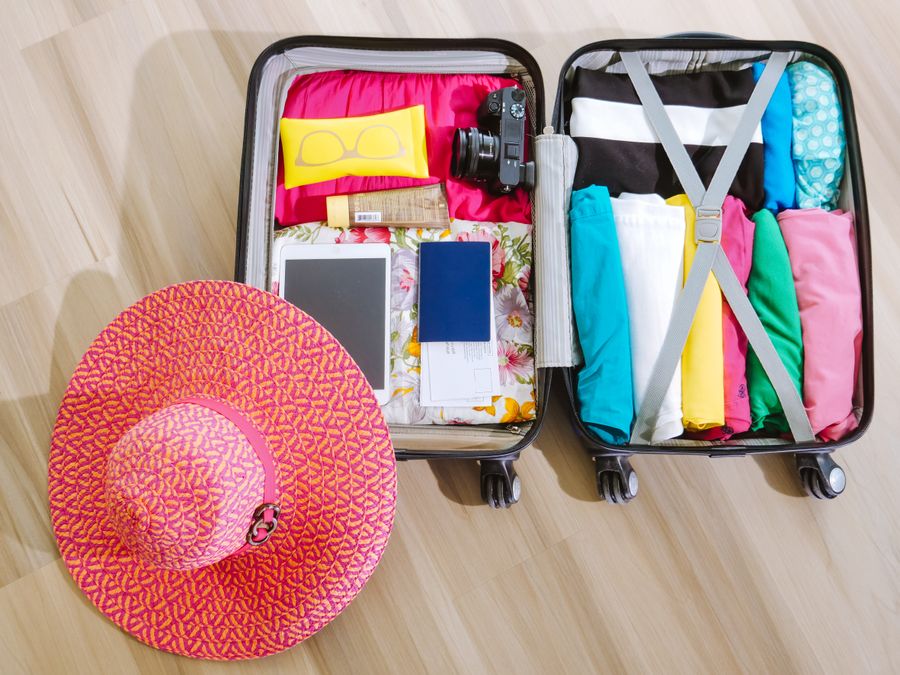
Keep documents printed as well as digital. A phone can run out of battery, and airport Wi-Fi can fail. A small folder with the passport, the declaration confirmation, the return ticket and the accommodation details saves time at the desk.
If you are travelling to a resort, the resort arranges the transfer and its details are on the booking. If you are staying on a local island, have the guesthouse name and island ready. The officer may ask how you will reach it.
- Passport: valid for the whole stay, and longer if your nationality requires it.
- Declaration form: completed online shortly before travel, confirmation kept.
- Onward travel: a return or onward ticket, printed or on a phone.
- Accommodation: the island and property name, not just the atoll.
04
The arrival flow
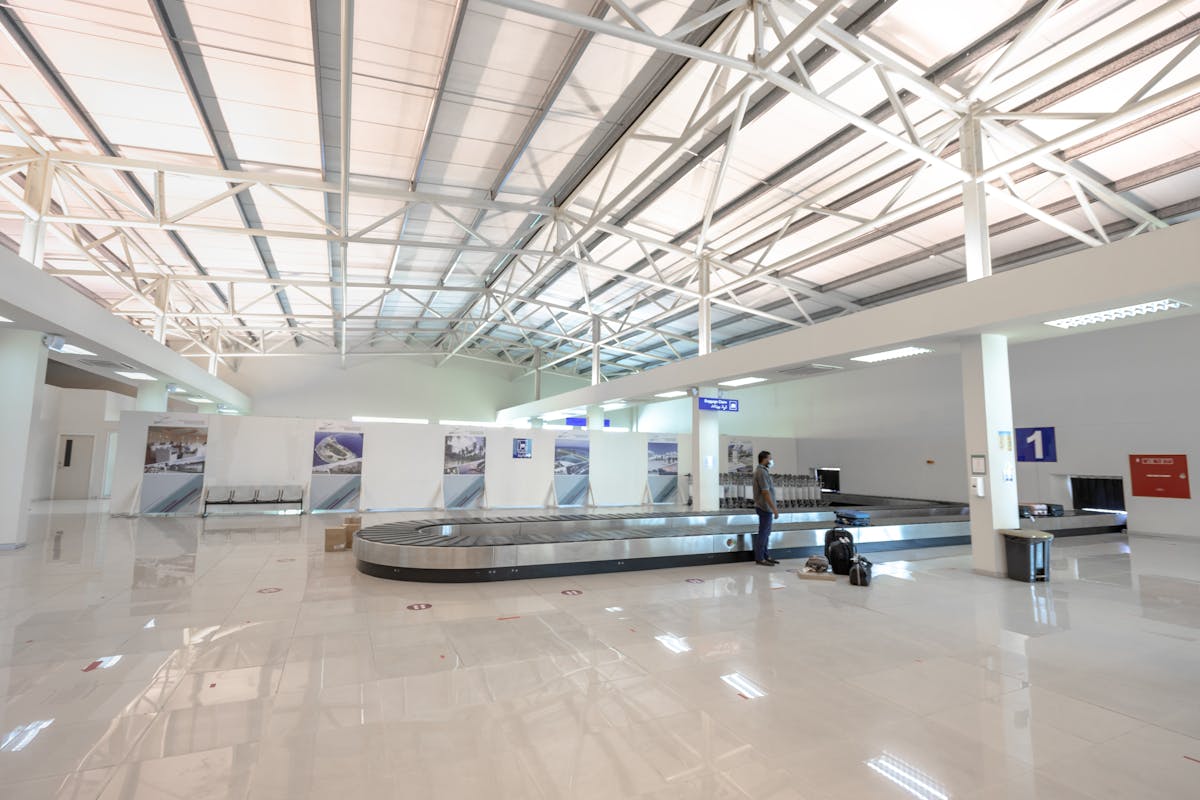
The plane lands at Velana International on Hulhulé island. You walk into the terminal and join the immigration queue. The officer checks the passport, the declaration and sometimes the onward ticket, then stamps the visa. Baggage reclaim follows.
After baggage, bags pass through a customs scanner. Customs officers may ask what you are carrying. Alcohol and pork are not allowed into the country, and the rules apply to resort guests as well as to visitors staying on local islands. Declare anything that might be questioned.
Then you reach the arrivals hall. If a resort is arranging your transfer, staff usually meet guests here with a sign. If you are travelling independently, this is where you find the speedboat jetty, the seaplane shuttle or the road to Malé.
05
From the hall to your island
The transfer depends on the island. Speedboats leave from jetties near the terminal and suit atolls close to the airport, such as North and South Malé. They can run at night, which helps a late landing. Seaplanes leave from a separate terminal on the same airport island and fly in daylight only.
For the far atolls, a scheduled domestic flight from the domestic terminal reaches regional airports, and a boat usually follows. Resorts and guesthouses arrange these links and time them to your flight. The details should be on your booking.
A bridge links the airport island with Malé, and Hulhumalé, the reclaimed island next to the airport, has hotels for a first night. If your flight lands after the last seaplane, that night is worth planning rather than leaving to chance.
06
Leaving the country
The departure tax is usually included in the ticket, so there is nothing to pay at the airport. Check the ticket if you are unsure. The traveller declaration form covers departures as well, so it needs to be completed again for the return leg if the form requires it.
Allow time for the transfer back. Seaplane and domestic flight passengers usually need to leave the island earlier than speedboat passengers. The resort or guesthouse will tell you the pick-up time, and it is set by the transfer operator rather than by you.
At the airport, check-in, security and immigration follow the usual order. Keep the passport and the declaration confirmation accessible. The departure hall has shops and cafes, but the transfer time is the thing to plan around.
- Departure tax: usually included in the ticket, so no payment at the airport.
- Declaration form: covers departures too, so check whether a second one is needed.
- Transfer time: set by the operator, and earlier for seaplane and domestic flight islands.
FAQ
Questions people ask
Do I need a visa before travelling to the Maldives?+
Most visitors do not. A free visitor visa is issued on arrival at Velana International, typically for 30 days. The officer stamps the passport and there is no fee. A few nationalities need pre-approval, and the list can change, so check with the official Maldivian immigration source before booking.
How long is the visa on arrival valid for?+
The standard visitor visa is typically issued for 30 days. The length is set at the desk and depends on the passport and the purpose of the trip. If you plan to stay longer, ask about extensions with the official immigration source rather than assuming the stamp can be extended.
How valid must my passport be to enter the Maldives?+
The usual requirement is that the passport is valid for the whole period of the stay. Some nationalities are asked for more validity than that. The rule can change, so confirm the current requirement with the official Maldivian immigration source or your airline before you book flights.
What is the traveller declaration form and when do I fill it in?+
It is a mandatory online form covering arrivals and departures. It asks for flight details, accommodation and a few health questions. Complete it shortly before travel, within the window the form allows, and keep the confirmation. It is free and is not a visa application. Check the official source for the current form.
What documents should I have ready at immigration?+
Have the passport, the declaration confirmation, proof of onward travel and the accommodation address. Immigration may ask for any of these. Keep printed copies as well as digital ones, because a phone can fail. The address should name the island and the property, not just the atoll.
What happens step by step after landing at Velana International?+
You join the immigration queue, then collect baggage, then pass through a customs scanner. After that you reach the arrivals hall, where resort staff usually meet guests. Independent travellers find the speedboat jetty, the seaplane shuttle or the road to Malé from there. The order is the same for everyone.
Can I bring alcohol into the Maldives on arrival?+
No. Alcohol and pork are not allowed into the country, and the rule applies to resort guests as well as to visitors staying on local islands. Customs may screen bags. Alcohol is served on resort islands, but it is supplied there rather than brought in by visitors.
Is the departure tax included in my ticket?+
It is usually included in the ticket, so there is nothing to pay at the airport. Check the ticket if you are unsure. The traveller declaration form also covers departures, so check whether a second one is needed for the return leg before you leave the island.
What should I do if my flight lands after the last seaplane?+
Plan a first night near the airport. Seaplanes fly in daylight only, so an evening landing usually means a night in Hulhumalé or Malé before the seaplane the next morning. Hulhumalé is linked to the airport by road and has hotels. Ask the resort to adjust the transfer.