Days are hot and bright throughout the year, and the sun is strong even under cloud. Most visitors adjust within a day or two by moving slowly, drinking often and staying out of the middle of the day. The notes below cover sun, heat, water, insects and medical care.
01
Sun and shade
The sun is close to overhead for much of the day, so shade is thin at midday and burn comes quickly, especially on the water. Sunburn is one of the commonest problems for visitors. High-factor sunscreen, a hat, sunglasses and a shirt over swimwear all help, and sunscreen needs reapplying after swimming or snorkelling.
Plan the day around the light. Early morning and late afternoon are kinder for excursions, reef walks and long lunches outdoors. The hours around midday are better spent in shade, under a palm or in a room, with a book. This is also when the heat is heaviest and energy is lowest.
Reef-safe sunscreen is worth choosing where you can. Some islands ask guests to use it, and it reduces what washes off into the lagoon. Whatever you use, apply it before you leave the room and again after time in the water.
- Cover up: a light shirt and a wide hat beat sunscreen alone for long spells outside.
- Reapply: sunscreen after every swim, and on the back of the neck and ears.
- Seek shade: between late morning and mid-afternoon, when the sun is highest.
- Watch children: their skin burns faster and they notice thirst less.
02
Heat and drinking water
Humidity makes heat feel heavier, and sweating is constant. Heat exhaustion, with headache, dizziness and nausea, is a real risk on a long boat trip or a day on a sandbank. Drink water before you feel thirsty, eat regular meals, and rest in shade if you feel unwell. Alcohol and strong sun do not mix well.
Tap water on local islands is usually not for drinking. Bottled or filtered water is the norm, and guesthouses and resorts provide it. On local islands, ask whether the tap water is treated before drinking it, and use bottled water for brushing teeth if you are unsure. Ice in drinks is generally made from filtered water, but ask if you have a sensitive stomach.
Reusable bottles are useful, and many islands have refill points. If you are unsure of a source, bottled water is the safe choice.

03
Mosquitoes and insects
Mosquitoes are present, particularly on local islands and near standing water. They are most active around dawn and dusk. Repellent, long sleeves in the evening and a room with screens or air conditioning reduce bites. Most resort rooms are sealed, but guesthouses vary.
Mosquito-borne illnesses occur in the Maldives, including dengue. There is no routine vaccine for dengue, so bite avoidance is the main protection. If you develop a fever after travelling, seek medical advice and mention where you have been.
Sandflies and other biting insects can be a nuisance on some beaches. A repellent containing DEET or picaridin is worth packing.
04
Vaccinations and preparation
Routine vaccinations should be up to date, and a travel clinic can advise on any recommended ones for the Maldives. Tell the clinic your itinerary, including any local-island stays, and allow time for a course if one is needed. Some countries require a yellow fever certificate for travellers arriving from certain regions.
Carry any prescription medicine in its original packaging with a copy of the prescription. Pharmacies exist in Malé and on larger islands, but smaller islands have limited supplies. A basic kit with plasters, painkillers, rehydration salts and antiseptic covers most minor problems.
If you have a long-term condition, bring enough medicine for the trip and a summary of your treatment.
- Travel clinic: check routine and recommended vaccinations well before departure.
- Prescriptions: carry medicine in original packaging with a copy of the prescription.
- Basic kit: plasters, painkillers, rehydration salts and antiseptic.
05
Medical care and insurance
Medical facilities are limited outside Malé. Larger islands and resorts have clinics, but serious cases may need evacuation to Malé or abroad. Travel insurance that covers medical evacuation is therefore important, and check that it covers water sports and diving if you plan to do them.
In an emergency, the resort or guesthouse can arrange transport and contact services. The national emergency number is 119 for ambulance and fire. Keep your insurance details and a copy of your passport accessible.
Diving injuries need specialist care, and there are decompression facilities in Malé and on some resort islands. Divers should check their insurance covers diving explicitly.

06
Practical habits
A few habits make a difference. Drink water through the day, eat lightly at midday, and wear a shirt when snorkelling for long periods. Rinse salt and sand off your skin, and treat any coral cut promptly, as they can infect. Avoid touching coral, which harms the reef and can cut you.
Watch for signs of heat illness in yourself and others: headache, confusion, stopped sweating or nausea. Move to shade, cool down and seek help if symptoms are severe. Children and older travellers are more vulnerable.
Finally, pace yourself. The first day is not the time for a long excursion in full sun. Acclimatise, and build up to longer days out.
FAQ
Questions people ask
How strong is the sun in the Maldives?+
The sun is strong all year because the islands sit near the equator. Cloud does not block it fully, and burn can happen quickly, especially on the water. Use high-factor sunscreen, cover up and seek shade around midday. Reapply sunscreen after swimming.
Is tap water safe to drink on local islands in the Maldives?+
Tap water on local islands is usually not for drinking. Bottled or filtered water is the norm, and guesthouses provide it. Ask whether tap water is treated before drinking it, and use bottled water for brushing teeth if unsure. Ice in drinks is generally made from filtered water, but ask if you have a sensitive stomach.
What should I do about mosquitoes in the Maldives?+
Mosquitoes are present, especially on local islands and near standing water, and are most active around dawn and dusk. Use repellent, wear long sleeves in the evening and choose rooms with screens or air conditioning. Mosquito-borne illnesses such as dengue occur, so bite avoidance is the main protection.
Do I need vaccinations for the Maldives?+
Routine vaccinations should be up to date, and a travel clinic can advise on any recommended ones. Tell the clinic your itinerary, including local-island stays. Some countries require a yellow fever certificate for travellers arriving from certain regions. Allow time for a course if one is needed.
What medical facilities are available in the Maldives?+
Medical facilities are limited outside Malé. Larger islands and resorts have clinics, but serious cases may need evacuation to Malé or abroad. Travel insurance covering medical evacuation is important, and check it covers water sports and diving if you plan those activities.
How can I avoid heat exhaustion in the Maldives?+
Drink water before you feel thirsty, eat regular meals and rest in shade during the middle of the day. Plan activities for early morning and late afternoon. Watch for headache, dizziness and nausea, and cool down if they appear. Alcohol and strong sun do not mix well.
Is the heat in the Maldives worse in one monsoon?+
The islands are warm all year. Iruvai, the northeast monsoon from roughly December to April, is drier and calmer. Hulhangu, from roughly May to November, is windier with passing showers. Humidity is high in both, so heat precautions apply throughout the year.
What should I pack for sun and heat in the Maldives?+
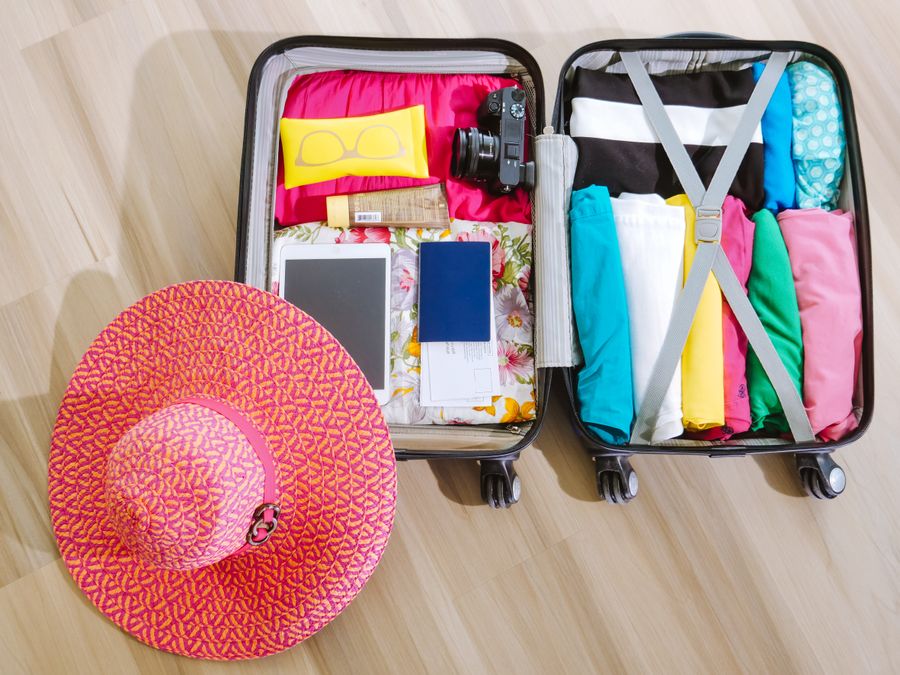
Pack high-factor sunscreen, a hat, sunglasses, a light shirt for sun cover and insect repellent. Reusable water bottles are useful, and many islands have refill points. Bring any prescription medicine in original packaging with a copy of the prescription, plus a basic first-aid kit.
Can I drink alcohol in the sun in the Maldives?+
Alcohol is served on resort islands but not on local islands. In strong sun, alcohol adds to the risk of heat exhaustion and dehydration. Drink water alongside, and avoid heavy drinking during the hottest part of the day. Pace yourself if you are not used to the heat.