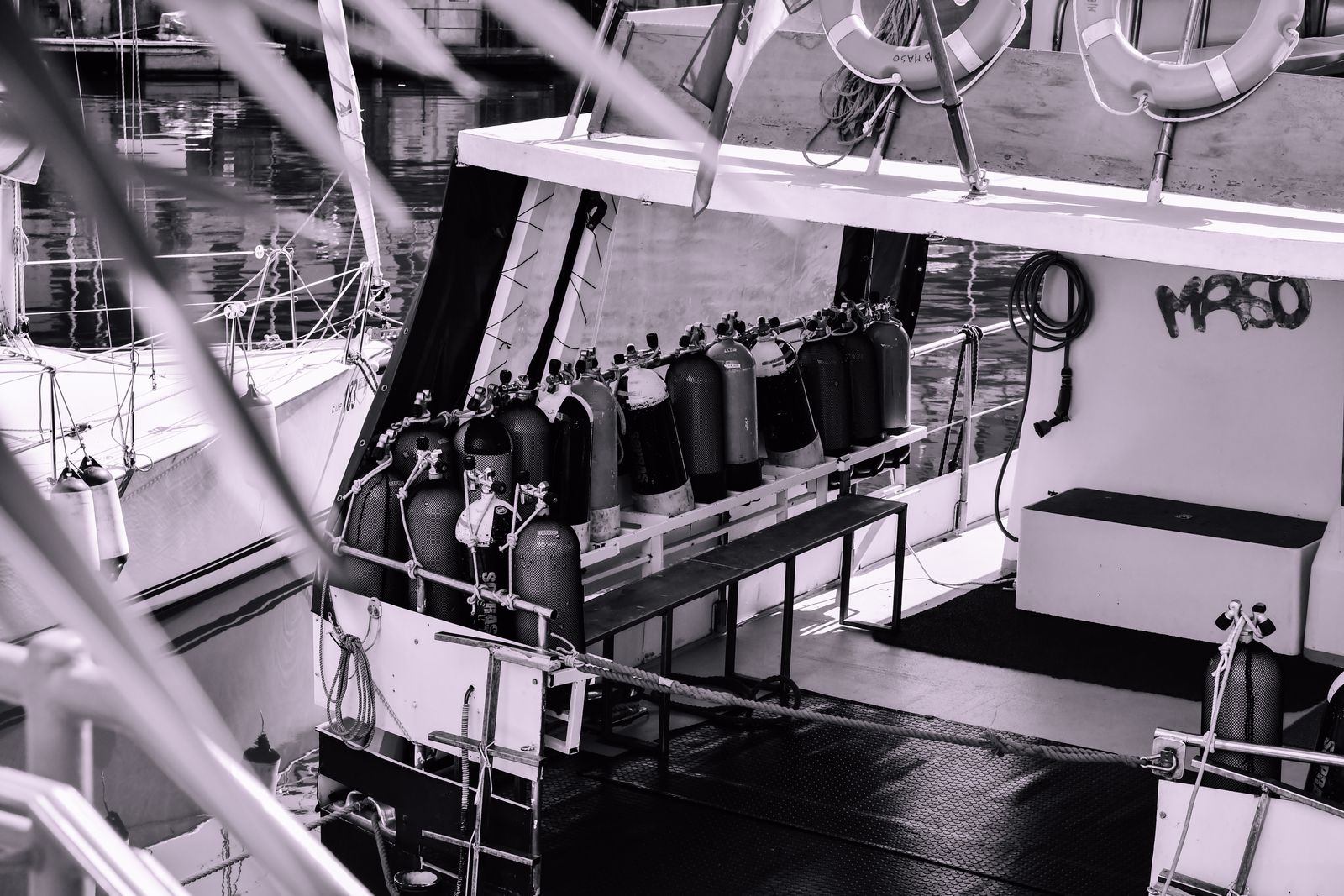
Dive centres in the Maldives range from small operations on guesthouse islands to large bases on resort islands. Standards are generally good, but equipment, group sizes and the way trips are planned vary. Asking a few direct questions before committing is normal practice and most centres answer them readily.
01
Check certification and affiliation
Ask which training agency the centre teaches under and what certification the instructors hold. Instructors should be able to show current teaching status with their agency, and a centre should be willing to name the agency it is affiliated with. This matters most if you plan to take a course rather than fun dive.
If you are already certified, ask whether the centre recognises your agency's card and what proof it needs. Most accept the main international agencies, but a centre can set its own requirements. Bring your certification card or a digital record, and your logbook if you keep one.
For courses, ask how many students an instructor takes at once. Small ratios mean more attention in the water and on the surface. The centre should tell you this before you book, not on the first morning.
- Agency: which training organisation the centre teaches under.
- Instructor status: current teaching certification, not just a card from years ago.
- Course ratios: how many students per instructor.
- Your card: what proof of existing certification is accepted.
02
Group sizes and guiding
Diver-to-guide ratios affect how a dive feels and how safe it is. A guide watching four divers can point things out and keep the group together. A guide watching ten has less room for either. Ask what the usual group size is and whether it is capped.
Some centres run larger boats with several guides, splitting divers by experience and certification level. That can work well, but ask how the split is decided and whether buddies are paired by level. If you are newly certified, say so when booking.
Busier centres can feel less personal. On a full boat, briefings are quicker and there is less time for individual questions. A smaller operation may suit you better, or a larger one may have more guides and more boats to choose from.
03
Inspect the rental equipment
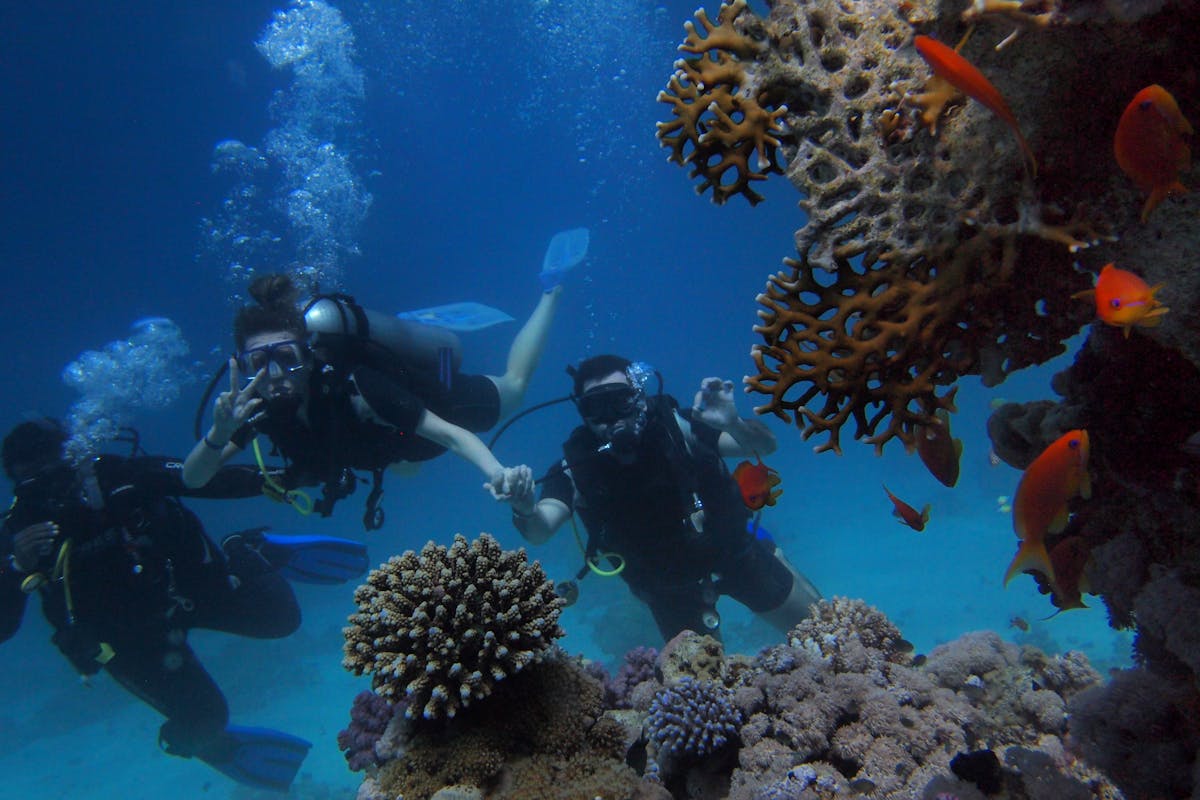
Equipment quality varies. Some centres replace rental gear on a schedule and service regulators regularly. Others keep older kit going. Ask when the rental regulators and buoyancy compensators were last serviced, and whether service records are kept.
Before the first dive, look over what you are given. Check the mouthpiece, the hoses, the inflator and the straps. A good centre will let you test the regulator on the boat and swap anything that does not feel right. If something seems worn, say so.
Many divers bring their own mask, computer and wetsuit, which removes most of the uncertainty. A thin wetsuit is usually enough in Maldivian water. If you bring your own regulator or dive computer, ask whether the centre can fill tanks to your usual mix and whether it supports the fittings you use.
04
Safety provisions to ask about
Ask what emergency oxygen is carried on the boat and whether the crew are trained to use it. Oxygen and a trained provider are basic provisions on a dive boat, and a centre should confirm both without hesitation. Ask also about the first aid training held by guides and crew.
Ask how the centre handles an evacuation. On a resort island, the answer may involve the resort's arrangements and a speedboat or seaplane. On a local island, it may involve a nearby health centre and a boat to a larger island. The plan should be clear and not improvised on the day.
Maldives regulations cap recreational diving at 30 metres. Ask whether the centre follows that limit and how it plans depths for the group. A centre that dives to the limit on every dive regardless of who is aboard is worth a second question.
- Oxygen: carried on the boat, with crew trained to use it.
- First aid: current training held by guides and crew.
- Evacuation: a clear plan for reaching medical help.
- Depth: recreational diving capped at 30 metres.
05
Sites, levels and refreshers
Ask which sites the centre plans to visit during your stay and whether they suit your experience level. A channel dive with current is not the place for a nervous newly certified diver. A centre should be able to match the day's plan to the group.
If you have not dived for a while, ask whether a refresher session is offered. A short session in shallow water before the first open-water dive is common and worth taking. Ask what it covers and whether it is run in the lagoon or on the house reef.
Language provision varies. Ask which languages the guides speak and whether briefings are given in yours. On a mixed boat, briefings may be in more than one language, which takes time. It is fair to ask before booking.

06
What a package covers
Prices and inclusions differ between centres, so confirm what a package covers before booking. A dive package may include tanks and weights but not rental gear, boat fees or a guide. It may include some and not others. Ask for the inclusions in writing.
Ask whether a package is priced per dive or per day, and what happens if a dive is cancelled for weather. Ask about the cost of a refresher, a night dive or a trip to a more distant site, since these are often charged separately.
A fee is usually charged for rental equipment and for courses, and some centres charge extra for a private guide. Confirm what is included and what costs extra, and check the cancellation terms before you commit.
FAQ
Questions people ask
How do I check a dive centre's instructor certification?+
Ask which training agency the centre teaches under and whether instructors hold current teaching status with that agency. A centre should be willing to name the agency and show credentials. If you are taking a course, ask how many students each instructor takes at once, since small ratios mean more attention in the water.
What diver-to-guide ratio should I expect at a Maldives dive centre?+
Ratios vary between centres and between boats. Ask what the usual group size is and whether it is capped. Some centres split larger boats into groups by experience level, with a guide for each. If you are newly certified, say so when booking so the centre can place you with a suitable group.
What safety equipment should a Maldives dive boat carry?+
Ask whether emergency oxygen is carried on the boat and whether the crew are trained to use it. Ask about current first aid training for guides and crew, and how the centre would arrange an evacuation from that island. Maldives regulations cap recreational diving at 30 metres, so ask how depths are planned.
Is rental dive gear in the Maldives good quality?+
Quality varies between centres. Ask when rental regulators and buoyancy compensators were last serviced, and inspect what you are given before the first dive. A good centre lets you test the regulator on the boat and swap anything that feels wrong. Many divers bring their own mask, computer and wetsuit.
Do Maldives dive centres offer refresher courses?+
Many do, and it is worth asking if you have not dived for a while. A refresher usually covers a short session in shallow water before the first open-water dive, often in the lagoon or on the house reef. Ask what it covers and whether it is charged separately from the dive package.
Which languages do Maldives dive centres brief in?+
Language provision varies between centres and between islands. Ask which languages the guides speak and whether briefings are given in yours. On a mixed boat, briefings may be given in more than one language, which takes time. It is fair to ask before booking rather than on the first morning.
How do I know if a dive site suits my experience level?+
Ask which sites the centre plans to visit during your stay and how it matches them to the group. Channel dives with current are not suitable for a newly certified diver. A centre should be able to describe the depth, current and conditions of each site and adjust the plan to the least experienced diver aboard.
What should a Maldives dive package include?+
Inclusions differ, so ask for them in writing. A package may cover tanks and weights but not rental gear, boat fees or guiding. Ask whether it is priced per dive or per day, what happens if weather cancels a dive, and what costs extra, such as a night dive, a distant site or a private guide.
Are larger Maldives dive centres less personal?+
Busier centres can feel less personal. On a full boat, briefings are quicker and there is less time for individual questions. A smaller operation may suit you better, or a larger one may have more guides and boats to choose from. Ask about group sizes and how divers are split before deciding.


