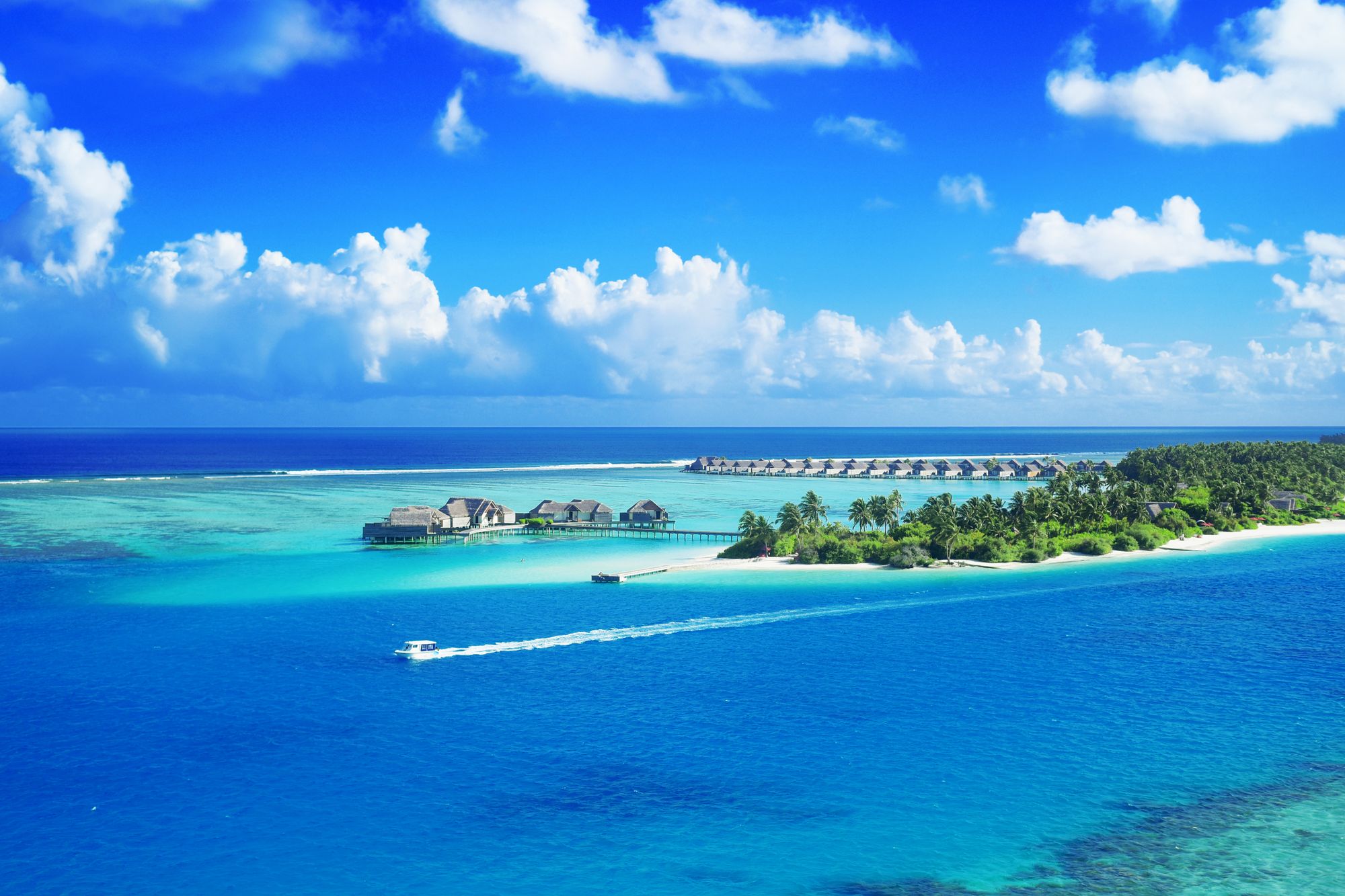
The Maldives is a country of small islands, close neighbours and strong sunlight. Photography is welcome, but drones, people and protected places all have rules. This guide covers what to check before you travel and how to get the most from the light.
01
Drone rules and permissions
Drones are regulated in the Maldives and generally require permission before you fly. The rules are enforced by the authorities, and enforcement varies between islands and atolls. Check the current regulations with the official source before you travel, and allow time for any application to be processed.
Resorts often have their own rules on drones. Some allow them in certain areas or at certain times, and some prohibit them entirely. Ask the resort before you pack a drone, and follow the answer you are given. On local islands, ask the guesthouse or island council, as local rules may differ from resort rules.
Never fly near airports, including Velana International Airport and the regional airports. Never fly over people without their consent, and keep away from protected areas, which include reefs, marine parks and uninhabited islands used by wildlife. Photographing military or government sites is unwise and may be treated seriously.
- Permission: generally required before flying a drone in the Maldives.
- Resort rules: ask first; some prohibit drones entirely.
- Local islands: check with the guesthouse or island council.
- Never fly: near airports, over people without consent, or in protected areas.
- Official sites: do not photograph military or government buildings.
02
Photographing people and places
On local islands, ask before photographing people. A gesture towards the camera and a nod is usually enough, and a refusal should be accepted without fuss. Many islanders are happy to be photographed, but consent matters, especially in villages and at the harbour.
Respect modest-dress norms. On local islands, shoulders and knees are covered in the village, and swimwear is worn only on designated beaches, often called bikini beaches. A photographer in beachwear walking through a village will attract attention and cause offence. Dress as you would for a village visit.
Photographing military or government sites is unwise. Avoid pointing a lens at uniformed personnel, official buildings or harbour security areas. If someone asks you to stop, stop. The same applies to mosques during prayers, and to Friday midday prayers, when many businesses close.
03
Working with the light
Early morning and late afternoon give the best light. The sun is lower, shadows are softer, and colours on the reef and in the lagoon are richer. These are also the hours when many animals are active, so wildlife photographers should plan around them.
Midday sun is harsh. It flattens the landscape, bleaches colour from the sea and casts hard shadows. If you must shoot at midday, look for shade, work close to the water or use the sun as a backlight. Underwater, midday can be useful because the light reaches deeper.
The two monsoons change the sky. Iruvai, roughly December to April, is drier and calmer. Hulhangu, roughly May to November, brings windier weather and passing showers, which can give dramatic clouds and clear air between them. Air and sea stay warm all year.

04
Underwater photography
Underwater photography benefits from a red filter. Water absorbs red light first, so images taken without a filter look blue or green. A filter that clips onto the housing restores warmer tones in shallow water, and it is most effective in the top few metres.
Use natural light where you can, and keep a steady hand. The reef is fragile, and touching or standing on coral harms it. Never hold onto coral to steady a camera, and keep a respectful distance from fish and turtles. Feeding fish to bring them closer is harmful and is not allowed.
Diving is capped at 30 metres for recreational divers, so plan shots within that limit. A dive centre can advise on local conditions and on the best sites for photography. Taking coral or shells out of the country is not allowed, so leave everything where it is.
05
Protected places and wildlife
Protected areas in the Maldives include marine parks, reef reserves and sites managed for wildlife. Drones are not appropriate in these places, and photography should not disturb the animals. Keep your distance, move slowly and never chase a subject for a picture.
Some islands are important for nesting turtles or roosting seabirds. If you visit, follow any local guidance, keep lights low at night and do not block a animal's path to the sea. A photograph is not worth a disturbed nest.
The rules on protected areas are set by the authorities and can change. Check with the resort, the dive centre or the official source before planning a shoot in or near a reserve.
06
Practical preparation
Salt, sand and sun are hard on cameras. Bring a dry bag, a lens cloth and a means of shading the lens. A polarising filter helps cut glare from the sea and makes clouds stand out. Spare batteries should be kept cool and dry.
Check current regulations before travelling, as enforcement varies. This applies to drones, to photography in sensitive places and to any permit you may need. Keep copies of permissions on your phone, and be ready to explain what you are doing if asked.
Finally, think about what you share. Posting a photograph that identifies a person without consent, or that shows a sensitive site, can cause problems for the people who live there. The best travel pictures are made with care for the place and the people in them.

FAQ
Questions people ask
Do I need permission to fly a drone in the Maldives?+
Yes, drones are regulated and generally require permission before you fly. The rules are enforced by the authorities, and enforcement varies between islands and atolls. Check the current regulations with the official source before you travel, and ask your resort or guesthouse about their own rules as well.
Can I fly a drone at a resort in the Maldives?+
Resorts often have their own rules on drones. Some allow them in certain areas or at certain times, and some prohibit them entirely. Ask the resort before you pack a drone, and follow the answer you are given. Do not assume that a resort beach is open for flying.
Where should I avoid flying a drone in the Maldives?+
Never fly near airports, including Velana International Airport and the regional airports. Never fly over people without their consent, and keep away from protected areas such as reefs, marine parks and wildlife sites. Photographing military or government sites is unwise and may be treated seriously.
Can I photograph people on local islands in the Maldives?+
Ask before photographing people on local islands. A gesture towards the camera and a nod is usually enough, and a refusal should be accepted without fuss. Respect modest-dress norms: shoulders and knees are covered in the village, and swimwear is worn only on designated beaches.
What is the best time of day for photography in the Maldives?+
Early morning and late afternoon give the best light. The sun is lower, shadows are softer, and colours on the reef and in the lagoon are richer. Midday sun is harsh and flattens the landscape, so plan around the cooler hours where you can.
Do I need a red filter for underwater photography in the Maldives?+
A red filter helps underwater photography because water absorbs red light first. Without a filter, images look blue or green. A filter that clips onto the housing restores warmer tones in shallow water, and it is most effective in the top few metres. A dive centre can advise on local conditions.
Can I photograph or fly near protected areas in the Maldives?+
Protected areas include marine parks, reef reserves and wildlife sites. Drones are not appropriate in these places, and photography should not disturb the animals. Keep your distance, move slowly and never chase a subject for a picture. Check with the resort, dive centre or official source before planning a shoot near a reserve.
Is it safe to photograph military or government sites in the Maldives?+
Photographing military or government sites is unwise. Avoid pointing a lens at uniformed personnel, official buildings or harbour security areas. If someone asks you to stop, stop. The same applies to mosques during prayers, and to Friday midday prayers, when many businesses close.
What camera gear should I pack for the Maldives?+
Salt, sand and sun are hard on cameras. Bring a dry bag, a lens cloth and a means of shading the lens. A polarising filter helps cut glare from the sea. Keep spare batteries cool and dry. Check current regulations before travelling, as enforcement varies.