Buying a local SIM at the airport or in Malé is the usual way to get data. Coverage is good on inhabited islands but weak or absent at sea, so download offline maps and translation tools before you travel.
01
Buying a local SIM
Prepaid SIM cards are sold at Velana International Airport and in shops in Malé and Hulhumalé. You need your passport to register the card, so keep it with you when you buy. The process is quick and staff usually speak English.
Data bundles are the usual purchase. Voice credit is available but most visitors want mobile data for maps, messaging and email. Ask for a bundle that covers your stay, and check whether it includes a data-only plan or a mix of data and calls.
Top-up cards and electronic top-ups are widely available on inhabited islands. If you plan to move between islands, confirm the bundle covers the whole country rather than a single atoll.
- At the airport: counters in the arrivals hall sell prepaid SIMs.
- In Malé and Hulhumalé: shops and kiosks sell cards and top-ups.
- What to bring: your passport for registration.
- What to buy: a data bundle sized to your trip.
02
Coverage on land and sea
Mobile coverage is good on inhabited islands, including Malé, Hulhumalé and the larger resort islands. You can expect to make calls and use data in villages, harbours and most guesthouses. Speeds vary with the number of users and the island's position.
At sea, coverage is patchy. Boat transfers, liveaboards and excursions away from land often lose signal. Seaplane flights and remote sandbanks may have none at all. If you need to stay reachable, treat time on the water as offline time.
Satellite connectivity is limited outside populated areas. Do not rely on a phone signal for safety at sea. Boats and resorts use their own radio and satellite systems, and you should follow their instructions.

03
eSIM as an alternative
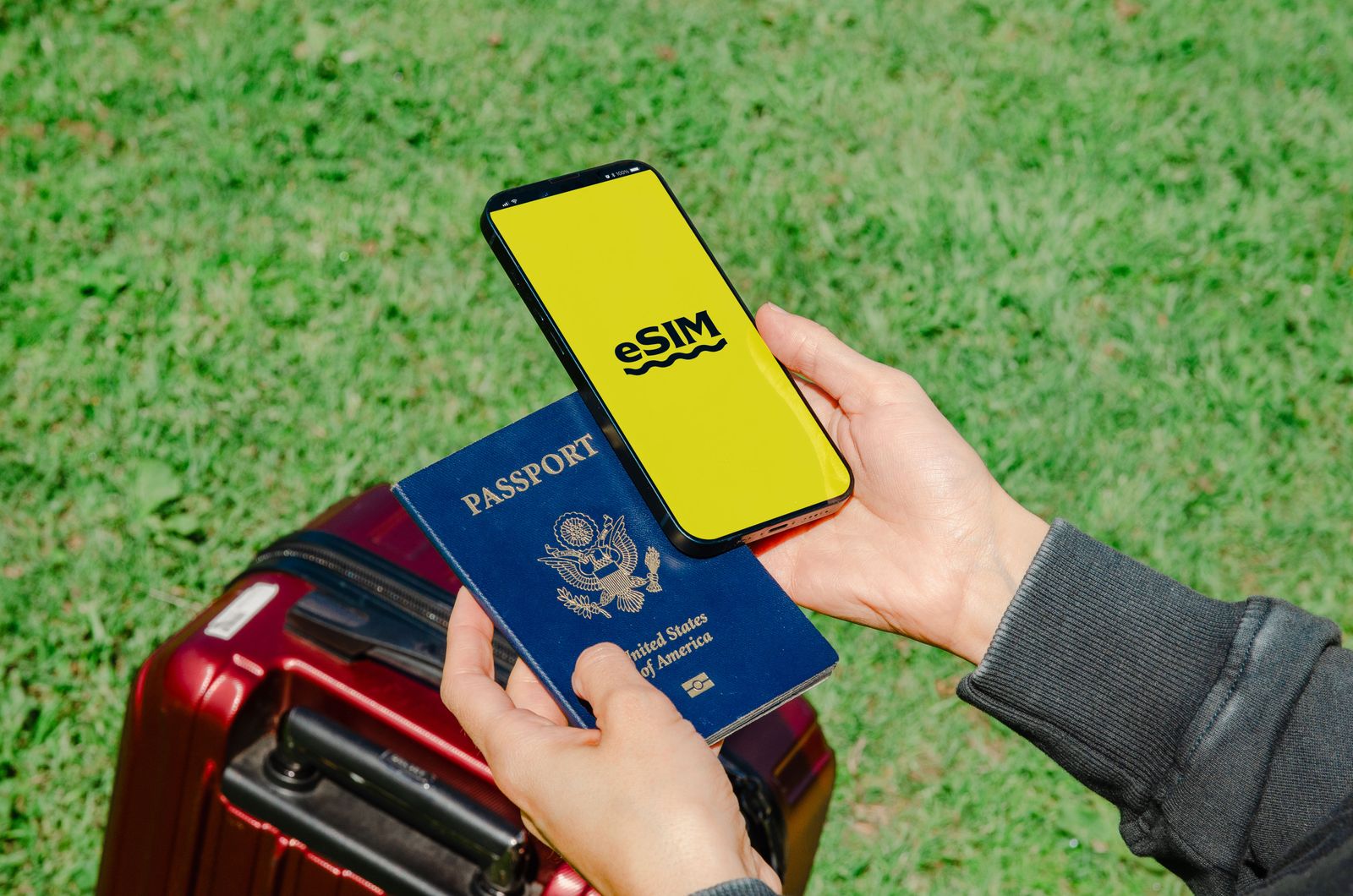
An eSIM lets you add a data plan to a compatible phone before you travel, without swapping a physical card. Plans are sold by international providers and by some local operators. You install the plan at home and activate it on arrival.
An eSIM is convenient if your phone supports it and you want to keep your home SIM active for calls. Check that the plan covers the Maldives and that your phone is unlocked. Coverage follows the same rules: good on land, patchy at sea.
If your phone does not support eSIM, a local prepaid SIM remains the simplest option. Buy it at the airport or in Malé, and keep the packaging in case you need to top up later.
04
Wi-Fi at resorts and guesthouses
Resorts generally provide Wi-Fi, often in rooms and public areas. Many guesthouses also offer it. Speeds vary and can be shared among guests, so video calls and large downloads may be slow at busy times. Treat Wi-Fi as a convenience rather than a guarantee.
On local islands, mobile data is often more reliable than public Wi-Fi. Guesthouse Wi-Fi may be limited to the lobby or a single router. If you need a steady connection, a local SIM with a data bundle is the safer choice.
Ask your resort or guesthouse about Wi-Fi before you book if you need it for work. Some islands have better connections than others, and the property can tell you what to expect.
- Resorts: Wi-Fi is common but speeds vary and may be shared.
- Guesthouses: Wi-Fi is often available, sometimes only in public areas.
- Local islands: mobile data is usually more reliable than public Wi-Fi.
- Work trips: ask the property about connection quality before booking.
05
Prepare offline tools
Download offline maps of the atolls you plan to visit before you fly. Mapping apps let you save areas for use without a signal, which helps on boats and remote islands. Do this while you still have a fast connection at home.
Translation tools are useful for Dhivehi, though English is widely spoken in tourism. Save a phrasebook or translation app offline. Screenshot your booking confirmations and transfer details in case you cannot load email.
Keep a printed copy of key contacts and your accommodation address. If your phone battery dies or the signal drops, paper still works. A power bank is worth packing for long transfer days.
06
Practical tips for staying connected
Buy your SIM on arrival if you want data immediately. The airport counters are convenient, but Malé and Hulhumalé shops may offer more choice. Compare bundles for data allowance and validity, and ask whether the plan covers outer atolls.
Keep your phone in a waterproof pouch on boats and at the beach. Salt water and sand damage ports and speakers. A dry bag for electronics is a simple precaution on any excursion.
If you need to work, check with your resort or guesthouse about Wi-Fi and mobile signal before booking. Some islands have better coverage than others, and the property can advise on the current situation.

FAQ
Questions people ask
Can I buy a SIM card at Velana International Airport?+
Yes, prepaid SIM cards are sold at counters in the arrivals hall. You need your passport to register the card. Staff usually speak English and can help you choose a data bundle. Buying at the airport is convenient if you want data straight away, though shops in Malé and Hulhumalé may offer more choice.
Do I need a passport to buy a local SIM in the Maldives?+
Yes, registration with a passport is required when buying a local prepaid SIM. Keep your passport with you at the point of sale. The process is quick, and the card is activated for your use. Without a passport you will not be able to complete the purchase.
Is mobile coverage good on local islands in the Maldives?+
Coverage is generally good on inhabited islands, including villages, harbours and guesthouses. Speeds vary with the number of users and the island's position. On remote islands or at busy times, data may be slower. Mobile data is often more reliable than public Wi-Fi on local islands.
Will my phone work at sea during boat transfers in the Maldives?+
Coverage at sea is patchy. Boat transfers, liveaboards and excursions away from land often lose signal, and seaplane flights or remote sandbanks may have none. Treat time on the water as offline time. Do not rely on a phone signal for safety; boats use their own radio and satellite systems.
What is an eSIM and can I use one in the Maldives?+
An eSIM is a digital SIM that lets you add a data plan to a compatible phone without a physical card. International providers and some local operators sell plans for the Maldives. Check that your phone is eSIM-compatible and unlocked, and that the plan covers the country. Coverage follows the same rules as a local SIM.
Is Wi-Fi available at resorts and guesthouses in the Maldives?+
Resorts generally provide Wi-Fi, often in rooms and public areas, and many guesthouses offer it too. Speeds vary and can be shared among guests, so video calls may be slow at busy times. On local islands, mobile data is often more reliable than public Wi-Fi. Ask your property about connection quality before booking.
Should I download offline maps before travelling to the Maldives?+
Yes, download offline maps of the atolls you plan to visit before you fly. Mapping apps let you save areas for use without a signal, which helps on boats and remote islands. Do this while you have a fast connection at home. Screenshot bookings and transfer details as a backup.
Is satellite connectivity available outside populated areas in the Maldives?+
Satellite connectivity is limited outside populated areas. Do not expect a phone signal on remote sandbanks or far out at sea. Boats and resorts use their own radio and satellite systems for safety. For personal use, plan to be offline and download what you need in advance.
How do I top up a local SIM in the Maldives?+
Top-up cards and electronic top-ups are widely available on inhabited islands, in shops in Malé and Hulhumalé, and sometimes at guesthouses. Ask the seller for a top-up that matches your bundle. Keep the SIM packaging in case you need the number or operator details for a top-up.