
Velana International Airport sits on Hulhulé, and the two ways off it are the causeway to Hulhumalé or the ferry and bridge to Malé. Hulhumalé is the newer, calmer option: a planned grid of apartments, guesthouses and small hotels built on reclaimed land, with pavements, a proper beach at the eastern end and none of the traffic crush of Malé. If your flight lands after dark or leaves before dawn, this is where you book. A taxi across the link road takes roughly ten to fifteen minutes depending on traffic at the airport roundabout.
01
Why Hulhumalé and not Malé or a resort
Malé is denser, cheaper in parts and closer to the ferry terminals for local islands, but the streets around Chandhanee Magu and the waterfront are loud and hard to walk with luggage. Resort islands are the wrong answer for a single transit night, since speedboat transfers usually stop after dusk and cost more than the room. My default for a short layover is Hulhumalé every time, and I would only pick Malé if I had a morning ferry to Maafushi or Dhigurah to catch.
02
Choosing a neighbourhood on the island
Hulhumalé splits into two rough halves. Phase 1, nearest the airport causeway, has the older guesthouses, the mosque, the main supermarket strip and most of the cafés, and it is a five-minute walk to the western harbour where local ferries tie up. Phase 2, reached by the main boulevard running east, is newer and emptier, with wider roads and the beach at Hulhumalé Beach near the eastern tip. Both are walkable; nothing on the island is more than about twenty-five minutes end to end.
For a night before a flight, stay in Phase 1 close to the causeway so the morning run to the terminal is short. For two or three nights with children, the Phase 2 side near the beach is quieter and has the artificial lagoon and the water sports shacks. Guesthouse rooms in both areas generally fall into a modest mid-range band, with the larger hotel-style properties on the eastern side sitting above that; check current rates rather than trusting any figure quoted in a blog post, including this one.
03
Getting in, out and around
From the arrivals hall, the taxi rank outside is the simplest route; drivers know the guesthouse streets and will usually call ahead if you ask. There is also a public bus linking the airport with Hulhumalé, running through the day at intervals, which is fine with hand luggage and slow with a family. Ferries connect Hulhumalé to Malé from the terminal on the western side, and the Sinamalé Bridge carries road traffic across if you are transferring by car. Allow extra time on Fridays around midday.
Within the island, walking covers almost everything, and there are taxis and a small network of minibuses on the main roads. Bicycles are common and some guesthouses lend them. If you are heading to a resort, the transfer boat or seaplane desk is back at the airport, not on Hulhumalé, so build that return leg into your morning. For local-island ferries, the public terminal in Malé is the hub and you will need to cross the water first, which is why an early departure argues for a Malé bed instead.
04
When to go and what to skip
The dry northeast monsoon, roughly December to April, brings the calmest seas and the clearest light; that is also peak season, when guesthouses fill and should be booked well ahead. May to November is wetter and cheaper, with short heavy showers rather than all-day rain, and the island is pleasant enough for a stopover in any month. Ramadan changes the rhythm of cafés and opening hours, so plan around it if you are eating out. The beach on the eastern tip has a swimwear-friendly stretch, though the island is conservative elsewhere.
Skip the temptation to book a resort for a single night when you land at 22:00; you will pay for a transfer you cannot use and see the room for six hours. Skip the duty-free-style souvenir shops near the airport and buy nothing you would not carry. I would also skip the beach on a Friday morning if you want quiet, and skip any plan that involves a same-day connection between an international arrival and a domestic flight without at least three hours between them.
Where to stay
Hotels to consider
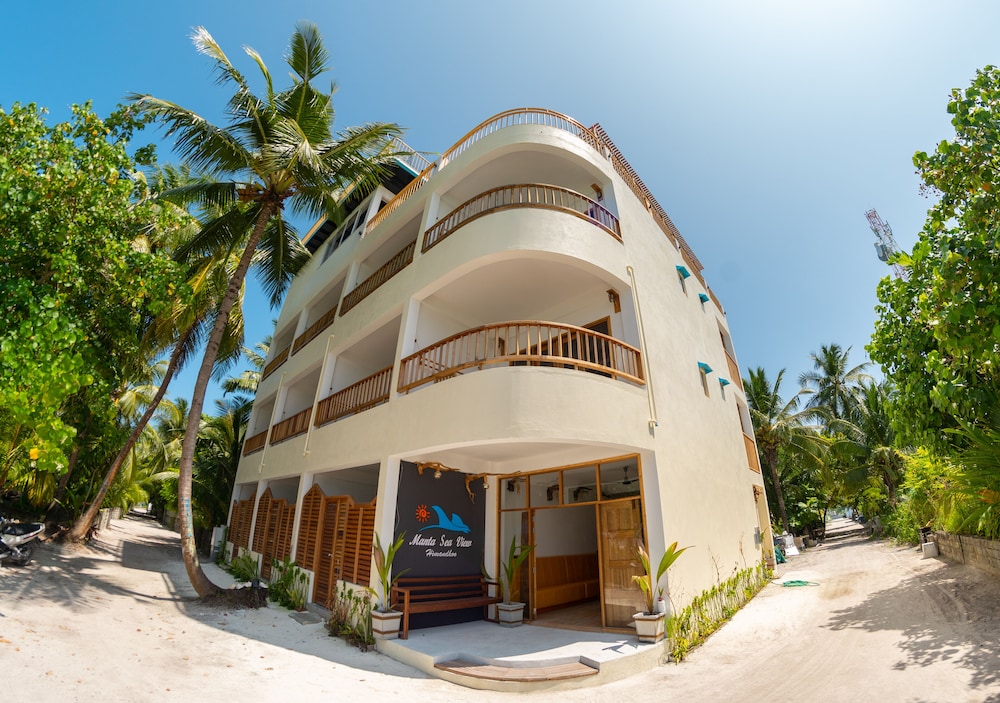
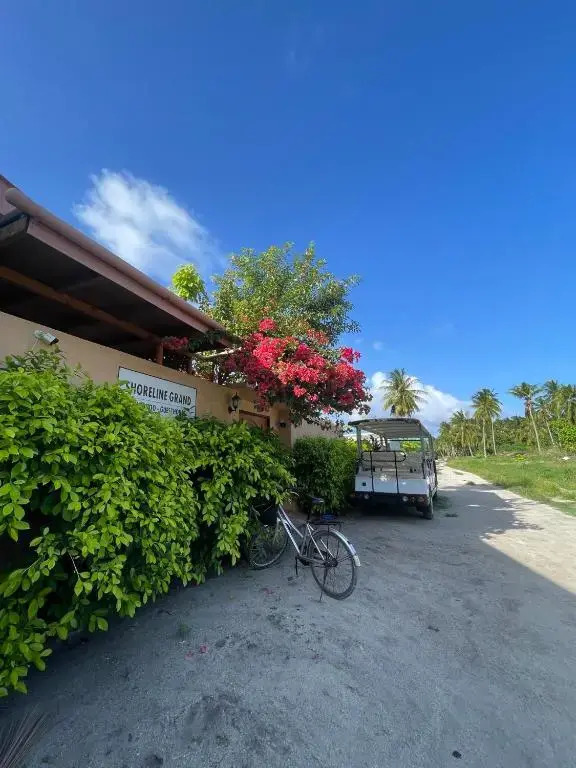
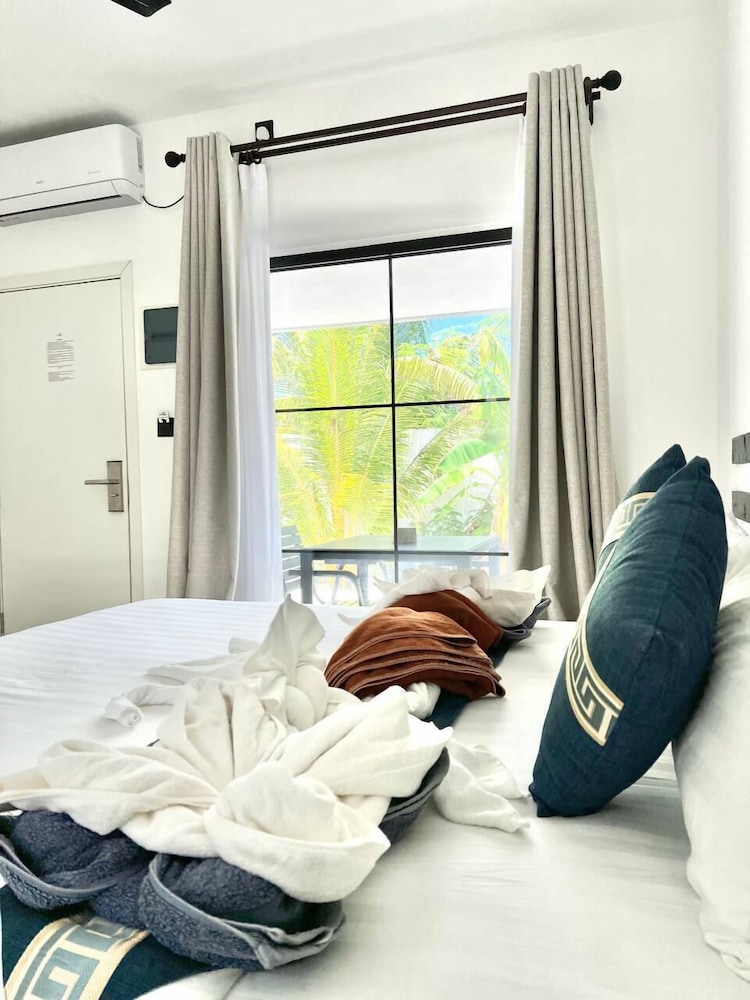
Where to stay
Hotels to consider
FAQ
Questions people ask
How far is Hulhumalé from Velana International Airport?+
The island sits directly across the causeway from the airport, about ten to fifteen minutes by taxi depending on traffic at the airport junction, or roughly twenty to thirty minutes on the public bus. Many guesthouses are a short walk from the main road, so total door-to-door time is usually under half an hour.
Is Hulhumalé a good choice for a late-night arrival?+
Yes. Guesthouses and small hotels here accept late check-ins far more readily than resort islands, whose speedboat transfers typically stop in the evening. The taxi rank outside arrivals runs through the night, and the drive is short enough that you are in a room soon after landing rather than facing a two-hour boat ride.
Do I need to book ahead in Hulhumalé?+
In the December to April high season, yes, especially for the beach side of Phase 2 and for rooms with airport pickup included. Outside those months you can often book a few days out, though the better-reviewed guesthouses still fill at weekends. Book the first and last nights of a trip first, since those are fixed by your flights.
Can I walk to the beach from anywhere on the island?+
Not quite. The main swimming beach is at the eastern tip, which is a twenty to twenty-five minute walk from the Phase 1 guesthouse streets near the causeway, or a short taxi ride. If beach time matters more than a quick airport run, choose accommodation on the Phase 2 side instead.
How do I get from Hulhumalé to Malé?+
Public ferries run from the western harbour terminal to Malé through the day, and taxis cross the Sinamalé Bridge. Ferries are cheap but timetabled; taxis are quicker and better with luggage. If you are catching a local-island ferry from Malé, leave a buffer of at least an hour for the crossing and the walk to the terminal.
What is there to eat on Hulhumalé?+
Cafés and small restaurants cluster along the main roads of Phase 1, serving rice and curry, short eats such as hedhikaa, and Western breakfasts aimed at transit travellers. Phase 2 has fewer options but more space. Alcohol is not sold on the local island, so treat dinner as a dry affair and save the drinks for a resort.
Should I stay in Malé instead if I have an early ferry?+
If your ferry leaves Malé at seven in the morning, staying in Malé near the terminal removes a crossing and a taxi from your morning. Otherwise Hulhumalé is quieter, walkable and closer to the airport. Weigh which end of the trip is more time-sensitive and book accordingly rather than splitting a single night between them.
What should I pack for a one-night stopover?+
Keep a small bag with a change of clothes, swimwear, sunscreen and any medication, and leave the rest of the luggage packed for the onward flight. Modest dress is expected away from the beach, so bring something to cover shoulders and knees for the shops and cafés. A refillable bottle is useful; tap water is desalinated and most travellers drink bottled.


