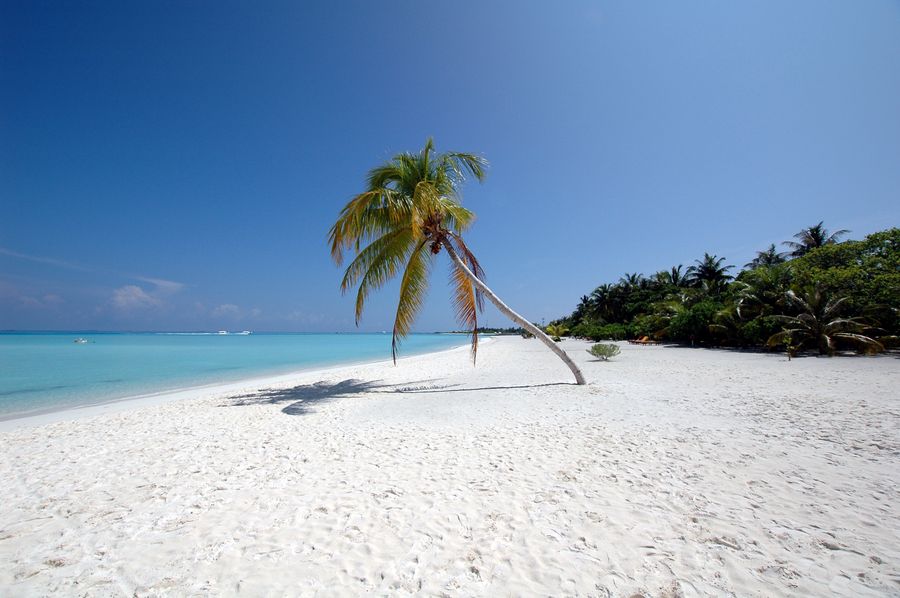
On inhabited islands, the land behind the beach is often divided into small garden plots. The soil is sandy and thin, and salt spray reaches the nearest rows. Islanders grow breadfruit, taro, sweet potato, chilli, pumpkin, papaya and banana where conditions allow, and add compost and mulch to help the soil hold water and nutrients.
01
Plots behind the beach
Walk inland from the harbour on many inhabited islands and you pass small garden plots, often no bigger than a room, fenced with coral stone or wire. The soil is thin and sandy, and the salt in the air and groundwater limits what will grow. Islanders choose crops that tolerate these conditions, and the mix varies from island to island.
Breadfruit trees are common in these plots and around house compounds. Taro is grown in wetter spots, sometimes in small dug beds. Chilli and pumpkin appear in many gardens, while sweet potato, papaya and banana are grown where the soil and shelter allow. Which crops do well depends on the island, so treat any list as a guide rather than a rule.
02
Thin soil, compost and mulch
Sandy soil drains quickly and holds few nutrients, and salt spray can burn tender leaves. Gardeners work around this by adding compost made from kitchen scraps and leaves, and by mulching around plants to keep the soil moist and reduce salt damage. Methods vary from household to household, and there is no single island way.
Some gardeners build up beds with organic matter over time, while others grow in containers or raised beds close to the house. Water is another constraint: wells are common, but the water can be brackish, so careful watering matters. These are practical responses to a difficult growing environment rather than a formal system.
- Compost: kitchen scraps and leaves are often dug into the soil.
- Mulch: a layer of dry leaves or coconut fronds helps hold moisture.
- Shelter: fences and hedges reduce salt spray and wind damage.
03
Breadfruit and taro as staples
Breadfruit and taro are long-standing staples in Maldivian cooking, used in curries and boiled dishes. Breadfruit is starchy and versatile, and taro is grown for its edible corms and leaves. Both appear in household gardens and are harvested as needed, though imported rice and flour are now common in island kitchens.
The balance between home-grown food and imported staples has shifted over time. Imported food is widely available and often cheaper or more convenient, so gardens may supply only part of a household's needs. Even so, many families keep a few useful plants close at hand, and breadfruit trees are valued for their shade as well as their fruit.

04
Gardening as household work
Gardening is usually household work rather than a commercial activity. Women and men both tend plots, often alongside other daily tasks, and children may help with watering or weeding. The garden is an extension of the home, and its produce goes to the kitchen rather than to market.
On some islands, gardening knowledge is passed down within families, with each household adapting methods to its own plot. There is little formal extension advice, so experience and observation matter. Visitors who stay on local islands may see these plots on walks, but they are private working gardens, not attractions.
05
What grows where
The mix of crops varies with the island's soil, water and exposure to salt. Breadfruit and banana are common in many gardens, while taro prefers wetter ground. Chilli and pumpkin are widely grown, and papaya often appears near houses. Sweet potato is grown where the soil is deep enough.
Because conditions differ, a crop that thrives on one island may struggle on another. Islanders learn what works locally, and the garden reflects that knowledge. For a visitor, the variety is a reminder that the Maldives is not only reef and lagoon but also a place where people grow food in difficult conditions.
06
Seeing the gardens
Gardens are private land, so view them from the lane rather than walking in. If you are invited to look closer, follow your host's lead. Do not pick fruit or leaves without permission. On local islands, dress modestly when walking through villages, with shoulders and knees covered.
The garden is part of everyday island life, not a tourist site. A few minutes of quiet observation from the road, or a conversation with your guesthouse host, will tell you more than a guided tour. The same respect you show in the village applies in the garden.

FAQ
Questions people ask
What crops are grown in island gardens in the Maldives?+
Breadfruit, taro, sweet potato, chilli, pumpkin, papaya and banana are among the crops grown in small plots on inhabited islands. The exact mix varies by island, because soil, water and salt exposure differ. Some gardens also grow leafy greens and herbs. Gardening is usually for household use rather than sale, and imported food is now common.
Why is the soil in Maldivian island gardens difficult to farm?+
The soil is thin, sandy and often salty, and salt spray from the sea can damage plants. Fresh water can be scarce, and well water may be brackish. Gardeners add compost and mulch to improve the soil and help it hold moisture. These conditions limit what can be grown and mean that gardening requires care and local knowledge.
Are breadfruit and taro important foods in the Maldives?+
Breadfruit and taro are long-standing staples in Maldivian cooking, used in curries and boiled dishes. Breadfruit is starchy and versatile, and taro is grown for its corms and leaves. They are often grown in household gardens and harvested as needed. Imported rice and flour are now common, so home-grown food supplies only part of many households' needs.
Who tends the gardens on Maldivian islands?+
Gardening is usually household work, done by family members alongside other daily tasks. Women and men both tend plots, and children may help. Knowledge is often passed down within families, and methods vary from one household to another. The produce goes mainly to the kitchen, and gardens are private land rather than public attractions.
Can visitors look at island gardens in the Maldives?+
Gardens are private working plots, so view them from the lane rather than walking in. If invited closer, follow your host's lead and do not pick fruit or leaves without permission. Dress modestly when walking through villages, with shoulders and knees covered. Your guesthouse can advise on what is appropriate and what is grown locally.
How do islanders improve sandy soil for gardening?+
Gardeners often add compost made from kitchen scraps and leaves, and mulch around plants to hold moisture and reduce salt damage. Some build up beds with organic matter over time, and others use containers or raised beds near the house. Watering needs care because well water can be brackish. Methods vary by household and island.
Is gardening a commercial activity on Maldivian islands?+
Generally not. Most gardens are small plots tended by households for their own use, and surplus may be shared rather than sold. There is little large-scale commercial gardening on inhabited islands, and imported food is widely available. The garden is an extension of the home, and its main purpose is to supply the family kitchen.
What role does imported food play in Maldivian island life?+
Imported food is now common on inhabited islands, and rice, flour and other staples are widely available. This means household gardens may supply only part of a family's food. Even so, many families keep useful plants such as breadfruit, papaya and chilli close at hand, and gardens remain part of everyday life.
Do island gardens in the Maldives vary from atoll to atoll?+
Yes. Soil, fresh water and exposure to salt differ from island to island, so the crops that do well vary. A garden on one island may grow taro in wet ground, while another may have more breadfruit and banana. Islanders learn what works locally, and there is no single island garden type across the country.