
The fish market in Malé is a working place, not a visitor attraction. It runs on the rhythm of the boats: early landings, quick weighing, and a trade that is largely finished by the time the day gets hot.
01
Boats come in early
The market day begins with the boats. Fishing vessels come alongside the harbour in Malé in the early hours, and the catch is unloaded onto the quay. Skipjack and yellowfin tuna are the main species, though the mix varies with the season and with what the boats have found. The work is quick and practised: fish are lifted out, counted and moved on before the sun is high.
Timing shifts with the weather and the catch. A calm night and a good haul can mean an earlier, busier market; rough seas or a poor catch can push things back or thin the stalls. There is no fixed timetable that holds every day, so the market is best treated as a morning routine rather than a scheduled event.
02
Weighing and laying out
Once landed, the fish are weighed and laid out. Tuna are heavy, and the scales are a central part of the scene. Prices are agreed on the spot between buyers and sellers, and the trade is done in Dhivehi, with numbers called out and hands used to settle a deal. The fish are then arranged for display or moved into the hands of the buyers.
Icing is part of the routine. Fish are chilled quickly to keep them fresh in the heat, and ice is used generously. The market is a place of wet concrete, crates and the constant movement of people carrying fish away to shops, restaurants and kitchens across the city.
- Skipjack: the smaller tuna, common in the market and central to Maldivian cooking.
- Yellowfin: the larger tuna, also landed and sold here.
- Icing: fish are chilled quickly after landing to preserve freshness.
- Weighing: scales are used to settle the weight before sale.
03
Buyers and sellers
The market is a meeting point for the trade. Buyers come from shops, restaurants and households, and sellers range from boat crews to middlemen. Negotiation is part of the process, and the atmosphere is busy but orderly. The market is not a tourist show; it is where the city's fish supply is handled.
For a visitor, the market offers a view of how the city works. It is a place to watch rather than to join in, and the pace is set by the people who trade there every day. Photography is possible but should be done with care and without getting in the way.
04
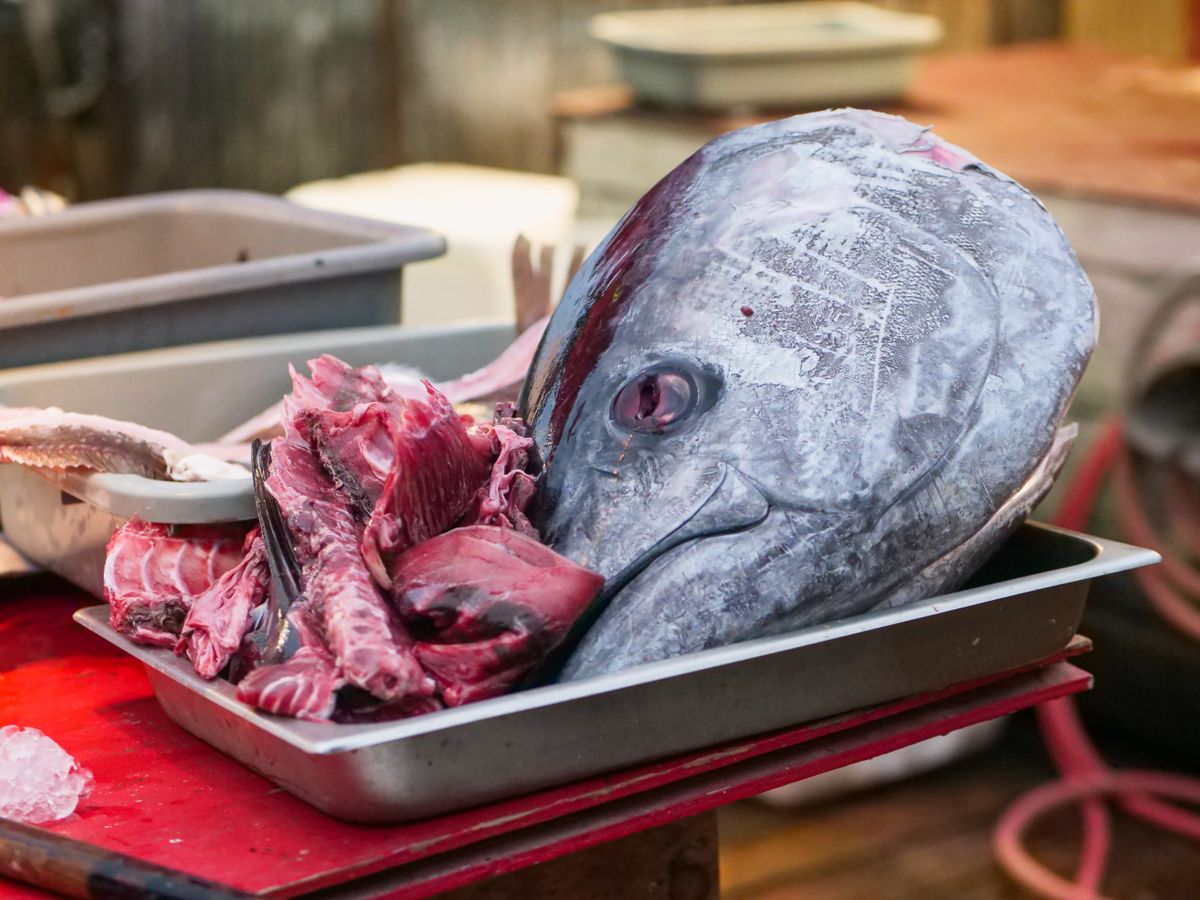
Cleaning and preparing
Nearby, fish are cleaned and prepared. This is a separate activity from the main market floor, but it is part of the same morning routine. Fish are gutted, filleted and cut into pieces for sale, and the work is done quickly and efficiently. The smell of fresh fish and the sound of knives are part of the scene.
The preparation area is not a formal attraction, and visitors should keep a respectful distance. It is a working space, and the people there are busy. Watching from a distance gives a sense of the skill involved and of how the catch moves from boat to kitchen.
05
Visiting the market
The market is in Malé, close to the harbour and the waterfront. It is easy to reach on foot from the ferry terminals and the main streets. The best time to see it is early morning, when the trade is at its height. By midday, much of the activity has moved on.
There is no entry fee, and the market is a public place. Visitors should dress modestly, as in the rest of Malé, and should be aware that the market is a working environment. It is not a place for lingering in the busiest areas, and common sense about personal space applies.
06
The market in context
The fish market is one part of Malé's working life. The city is dense and busy, and the market sits alongside the harbour, the ferry terminals and the shops. It is a place where the country's reliance on the sea is visible in a direct way.
For visitors, the market is a reminder that the Maldives is not only resorts and beaches. It is a place of work, and the morning trade is a routine that has gone on for generations. Seeing it is a way to understand the country beyond the tourist brochure.
FAQ
Questions people ask
What time does the Malé fish market start?+
The market starts early in the morning, when the boats come in. The exact time shifts with the weather and the catch, so there is no fixed hour. It is best to go early, as much of the trade is finished by midday, and the quay is quiet by the afternoon.
What fish are sold at the Malé fish market?+
Skipjack and yellowfin tuna are the main species, though the mix varies with the season and what the boats have caught. Other fish may also appear. The market is primarily a tuna market, reflecting the importance of tuna to the Maldivian diet and economy, and the catch is iced quickly after landing.
Is the Malé fish market open to visitors?+
Yes, it is a public place and visitors can walk through. It is a working market, so visitors should be respectful, keep out of the way of workers, and dress modestly. There is no entry fee, and no one will stop you watching the weighing and the trade from a sensible distance.
Can I take photos at the Malé fish market?+
Photography is possible, but the market is a busy working environment. Ask before taking close-up shots of people, and avoid blocking the trade or standing in the path of crates and trolleys. Common sense and courtesy apply, and a quiet word before a picture is always the better approach.
How do I get to the Malé fish market?+
The market is in Malé, near the harbour and within walking distance of the ferry terminals. It is easily reached on foot from the main streets. If you are staying on another island, you can take a ferry or speedboat to Malé and walk from the waterfront.
What is the best day to visit the Malé fish market?+
There is no best day as such; the market runs daily, though activity varies with the catch and weather. Fridays may be quieter around midday prayers, when many businesses close. Early morning is the best time on any day, and the trade is usually done well before the heat builds.
Is there an entrance fee for the Malé fish market?+
No, there is no entrance fee. The market is a public space and you are free to walk through. You may wish to bring small change if you want to buy fish, but as a visitor there is nothing to pay at the gate, and the trade itself is between buyers and sellers.
What should I wear when visiting the Malé fish market?+
Modest dress is appropriate, as in the rest of Malé. Shoulders and knees should be covered. The market floor can be wet, so footwear that can get wet is sensible, and a light layer helps in the early morning before the day warms up.
Are there other things to see near the Malé fish market?+
The market is close to the harbour, the ferry terminals and the main streets of Malé. The city's shops, cafés and mosques are within walking distance. It can be combined with a walk around the waterfront, and the public ferries to Hulhumalé leave from nearby.


