
The Maldives has two monsoon seasons: the northeast monsoon (Iruvai) from November to April and the southwest monsoon (Hulhangu) from May to October. The northeast monsoon brings drier air and calmer seas, making it the peak season for tourism. The southwest monsoon brings more rain and wind, but also lower prices and fewer crowds. Resorts in Malé atolls like North and South Malé often charge premium rates from December to March, while the same overwater villas can be significantly cheaper in May and September. If you want guaranteed sunshine, aim for January to March; if you're budget-conscious and don't mind occasional showers, June to August offers better value.
01
The Two Seasons and What They Mean for Travellers
Rainfall varies across the 26 atolls. The southern atolls, such as Addu and Fuvahmulah, are typically wetter during the northeast monsoon because they sit closer to the equator. The northern atolls, like Haa Alifu and Haa Dhaalu, are drier then. During the southwest monsoon, the pattern flips: the south gets more sunshine while the north experiences more rain. For example, Hanimaadhoo in Haa Dhaalu receives about 1,600mm of rain annually, while Gan in Addu gets around 2,300mm. So if you're travelling in July, consider the southern atolls for a better chance of clear skies.
02
How the Winds Affect Sea Conditions and Activities
The northeast monsoon brings calm seas, excellent for snorkelling and diving, especially on the western sides of atolls where reefs are sheltered. Visibility can exceed 30 metres in places like the Ari Atoll. The southwest monsoon, however, stirs up the water, reducing visibility and making some dive sites hazardous. Surfers, though, welcome the southwest monsoon: spots like Chickens on the North Malé Atoll and Lohis on Himmafushi break best from May to October. If you're planning a liveaboard, choose the northeast monsoon for gentler crossings; the southwest can bring choppy conditions, particularly between atolls.
Wind direction also dictates which side of an island is calmer. During the northeast monsoon, the eastern shores are more sheltered; during the southwest, the western shores are calmer. This matters if you're booking a beach villa—ask the resort which side faces the prevailing wind. For water sports like kayaking or paddleboarding, mornings are usually calmer regardless of season. And if you're visiting a local island like Dhigurah in South Ari, the harbour side can be windy in the southwest monsoon, but the beach on the opposite side remains pleasant.
03
Choosing an Island and Atoll for Your Season
For the northeast monsoon, the central atolls (North and South Malé, Ari, and Vaavu) are ideal: they're easy to reach via speedboat from Velana International Airport (30–90 minutes) and offer the classic Maldives experience. Resorts in North Malé like those on Thulusdhoo or Himmafushi are popular for surfing and close to the capital. If you want to avoid the crowds, consider the southern atolls: Addu Atoll, accessible via a 70-minute domestic flight from Malé, has a distinctly different culture and fewer resorts. During the southwest monsoon, head north to Haa Alifu or Haa Dhaalu, where you'll find quieter islands and lower rainfall. But note that domestic flights to these areas can be costly and infrequent.
For budget travellers, the southwest monsoon is the time to visit local islands like Maafushi in South Malé, where guesthouses offer rooms from around $50 per night. However, ferries can be cancelled due to rough seas, so build flexibility into your itinerary. If you're set on a resort, consider the south-west monsoon for lower rates in the Ari Atoll—resorts there often run promotions from May to July. But avoid the far south if you're prone to seasickness; the crossing from Malé to Addu can be rough during this period.
04
Practical Tips for Booking and Packing
When booking, check the cancellation policy carefully, especially if travelling during the monsoon transition months of April–May and October–November, when weather can be unpredictable. Resorts often offer flexible rates for these periods. For the best value, book 3–6 months in advance for peak season; for low season, last-minute deals are common. Also, consider travel insurance that covers weather-related disruptions. Pack light, quick-dry clothing, a waterproof bag for electronics, and reef-safe sunscreen. A light rain jacket is useful even in the dry season for occasional showers.
If you plan to island-hop, use the public ferry system (MTCC) for authentic experiences, but be aware that schedules are reduced during the southwest monsoon. Speedboats are more reliable but pricier. For diving, bring your own mask and fins if you're particular about fit. And don't forget a power adapter—the Maldives uses UK-style plugs. Finally, respect local customs on inhabited islands: cover up when away from the beach, and refrain from alcohol outside resorts.
Where to stay
Hotels to consider
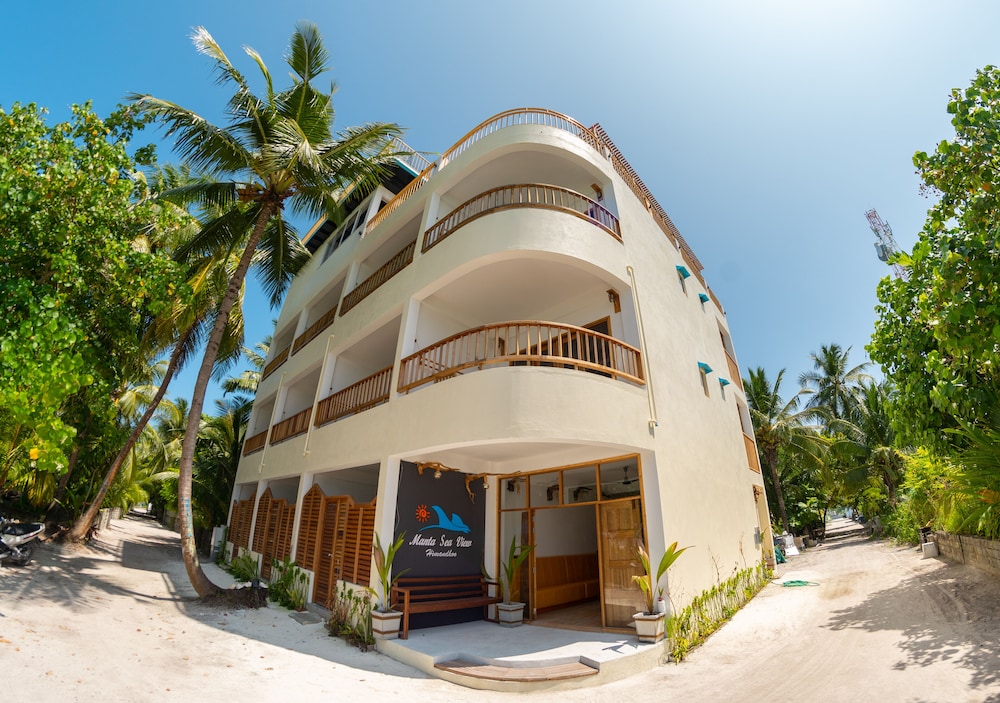
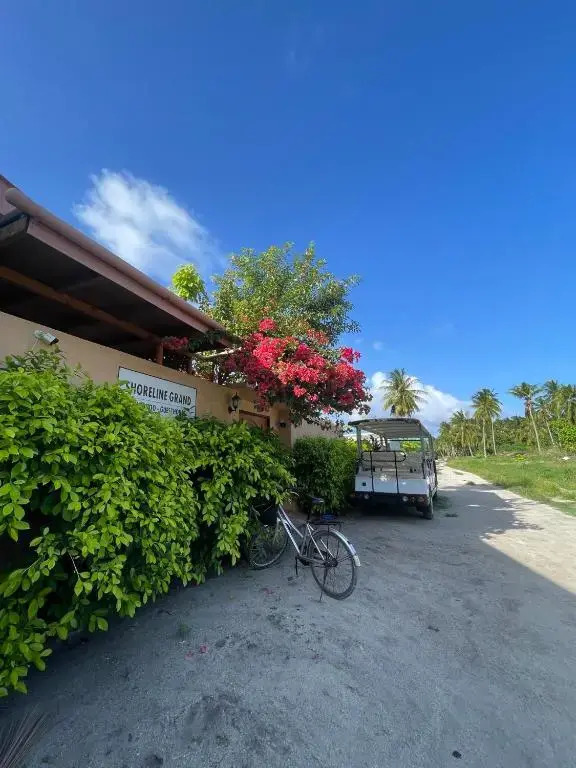
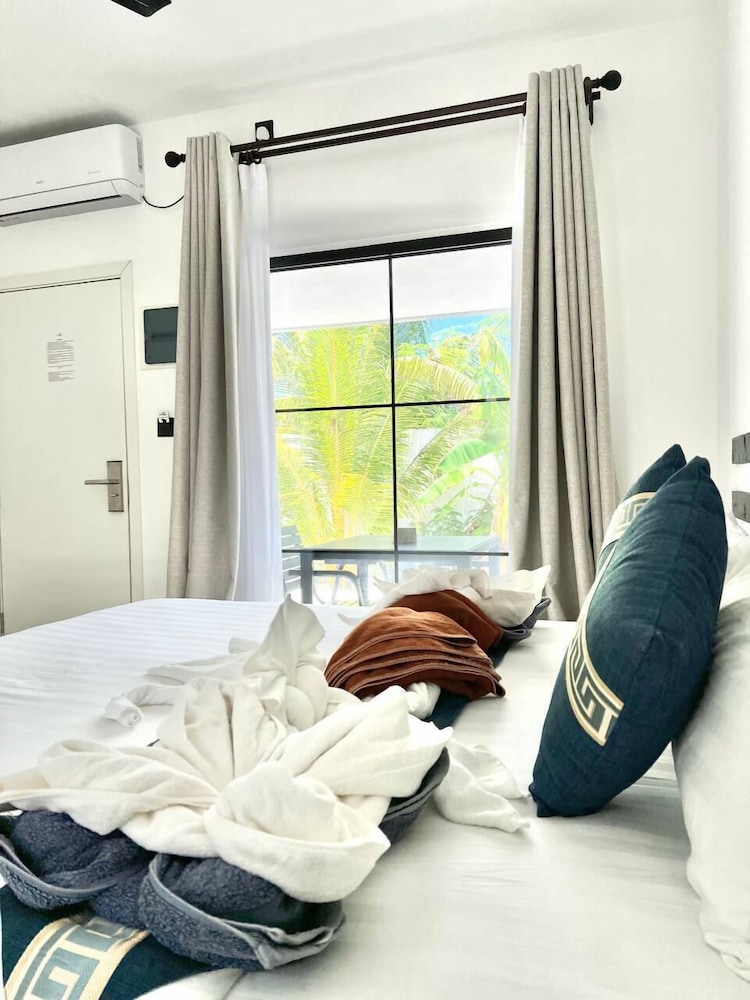
Where to stay
Hotels to consider
FAQ
Questions people ask
What is the best month to visit the Maldives for sunshine?+
January to March offers the driest, sunniest weather with calm seas, especially in the central atolls. Expect high prices and crowds, so book well in advance.
Is the southwest monsoon really that rainy?+
It brings more frequent, short, heavy showers, but rarely all-day rain. Many days still have sunshine. The upside is lower prices and fewer tourists.
Which atolls are best during the southwest monsoon?+
The northern atolls like Haa Alifu and Haa Dhaalu are drier then, but access is limited and costly. The southern atolls remain an option for budget travellers willing to risk occasional rain.
How does the monsoon affect diving?+
The northeast monsoon provides calmer seas and better visibility for diving. The southwest monsoon can reduce visibility and make some sites inaccessible, but it's good for surfing.
Can I surf during the northeast monsoon?+
Surfing is best during the southwest monsoon (May–October) when consistent swells hit the reefs. The northeast monsoon brings smaller, less reliable waves.
What should I pack for the monsoon season?+
Light, quick-dry clothing, a waterproof jacket or umbrella, reef-safe sunscreen, and mosquito repellent. A dry bag for electronics is useful for boat trips.
Are ferries reliable during the southwest monsoon?+
Public ferries can be cancelled due to rough seas, so plan for delays or use speedboats, which are more reliable but expensive. Always check schedules ahead.
When is the cheapest time to book a Maldives resort?+
May to July and September to October offer the lowest rates, especially in the central atolls. Last-minute deals are common, but availability may be limited.


