
Most family trips start on an island with a genuine house reef: a reef you can swim to from the beach without a boat. North and South Malé Atoll resorts such as those near Vihamanaafushi and around Vaadhoo Kandu make this easy, but the same is true of local islands like Dhigurah in South Ari Atoll and Fulidhoo in Vaavu, where guesthouses sit a couple of minutes from the drop-off. On all of them the reliable swimming zone is the sandy channel cut through the reef flat; the shallow shelf beyond it can be ankle-deep at low tide, so children swim in the channel or the lagoon, not over the coral.
01
Choosing an island by the beach, not by the brochure
Reef quality is not evenly spread. The best accessible house reefs in the country sit around Ari Atoll and Vaavu, where the reefs are steep, fish-dense and reachable within 30 to 50 metres of the sand. Malé Atoll reefs tend to be sandier and busier with boat traffic. That does not make them bad for families, since a shallow protected lagoon off Hulhumalé's eastern beach is calm and easy for nervous swimmers, but if snorkelling is the point of the trip, book Ari or Vaavu, and choose the beach edge over the room category.
02
When to go and what the water does
The dry northeast monsoon runs roughly December to April: clear water, good visibility and the calmest seas, which is when most families should book. May to November is wetter, with rougher crossings and more plankton, but manta and whale shark sightings around Hanifaru Bay in Baa Atoll peak in the wetter months. Visibility is not a promise: it turns over with the tides and the wind, and a week of strong onshore breeze can flatten a shallow reef's clarity without warning. Ask your guesthouse or resort for the reef condition in the days before you arrive.
Tides structure a child's swimming day far more than weather forecasts suggest. On many islands the lagoon is at its best two hours either side of high tide; at low tide the reef flat is exposed and the outer edge is a long wade. Check a tide table before arranging lessons or snorkel trips, and aim for morning swims, when the light is gentler and the wind usually lighter. Reef shoes are worth the luggage space on any island with coral rubble on the beach approach.
03
Local islands versus resort islands for a family base
A resort island gives you a single property, a kids' club, a doctor on call and meals included, at a nightly rate that climbs steeply in December and January. A local island such as Maafushi, Dhigurah or Fulidhoo gives you a guesthouse room, a public beach with a bikini-allowed section, and the freedom to eat at several small cafes. Families with toddlers usually prefer the resort for the shallow lagoon and the zero logistics; families with children over about eight often do better on a local island, where snorkel trips and boat excursions cost less and the island is small enough to walk.
Transfers decide the trip more than most parents expect. From Velana International Airport, speedboats reach Maafushi in about 30 minutes, Fulidhoo in roughly 75 and Dhigurah in about 90; seaplanes take 25 to 45 minutes depending on the atoll but fly only in daylight, so a late arrival means an overnight in Hulhumalé. Book the transfer with the room, confirm the last boat time in writing, and allow a two-hour buffer before your international flight on the way back.
04
Days on the water, and what to leave out
A good family day starts early: snorkel the house reef between 8am and 10am, when the tide is rising and the light is soft, then rest through the midday sun. Afternoon is for the lagoon, a sandbank walk or a glass-bottom boat. Reef etiquette matters and is simple: no standing on coral, no touching turtles, no feeding fish, and life jackets on for anyone under about ten in open water. Most guesthouses rent masks and fins, but well-fitted children's masks are worth bringing from home, since rental stock rarely seals on small faces.
Skip the boat-based dolphin cruises that chase pods, and skip any house-reef snorkel trip scheduled at low tide, which means a long wade over rubble. Guided snorkel trips from local islands are cheap and worthwhile, but check group sizes; a boat carrying twenty snorkellers around one coral head is not a wildlife experience. On Hulhumalé, the eastern beach is the calmest place to practise with children before a boat trip, and the ferry to Malé takes about 20 minutes for a change of scene.
Where to stay
Hotels to consider
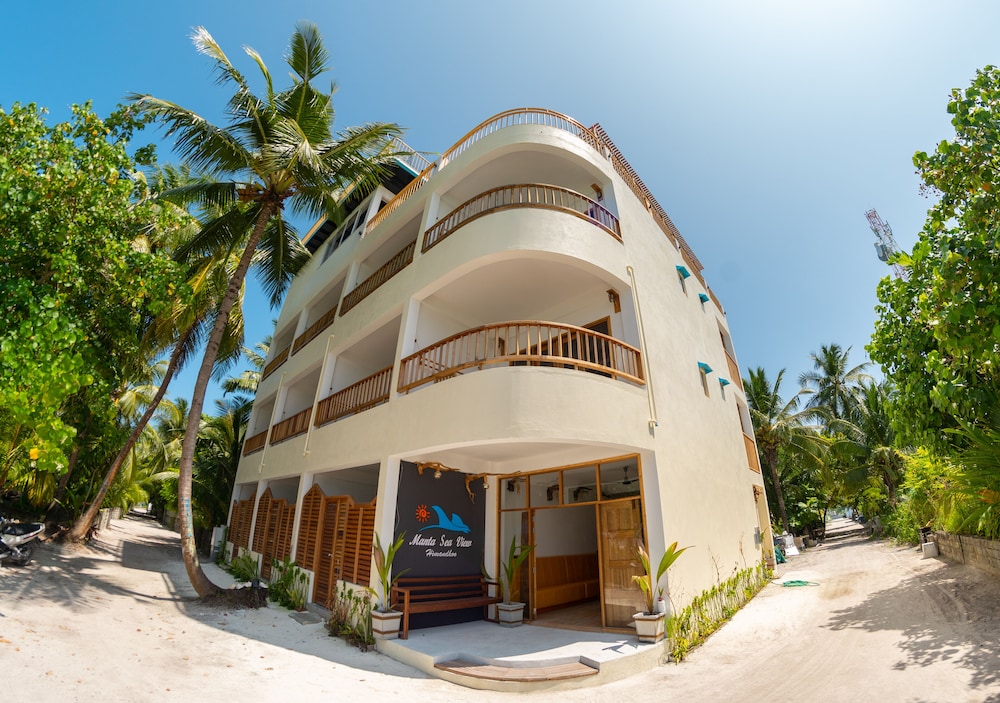
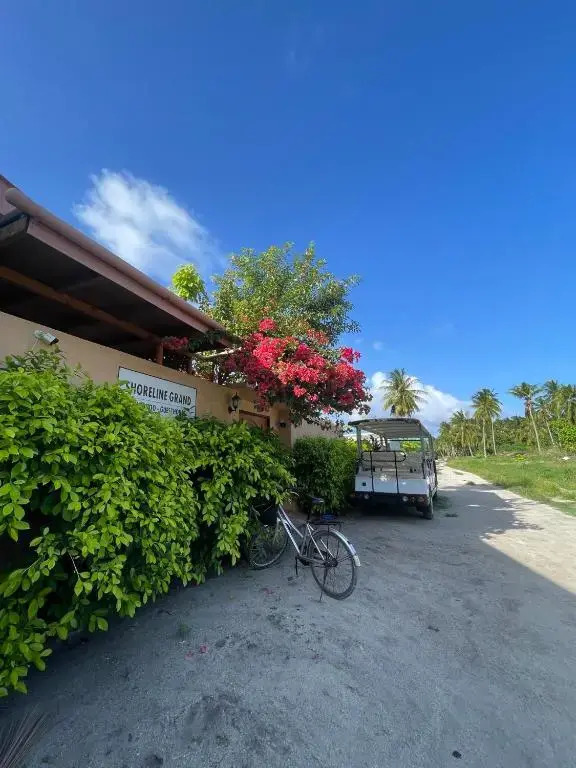
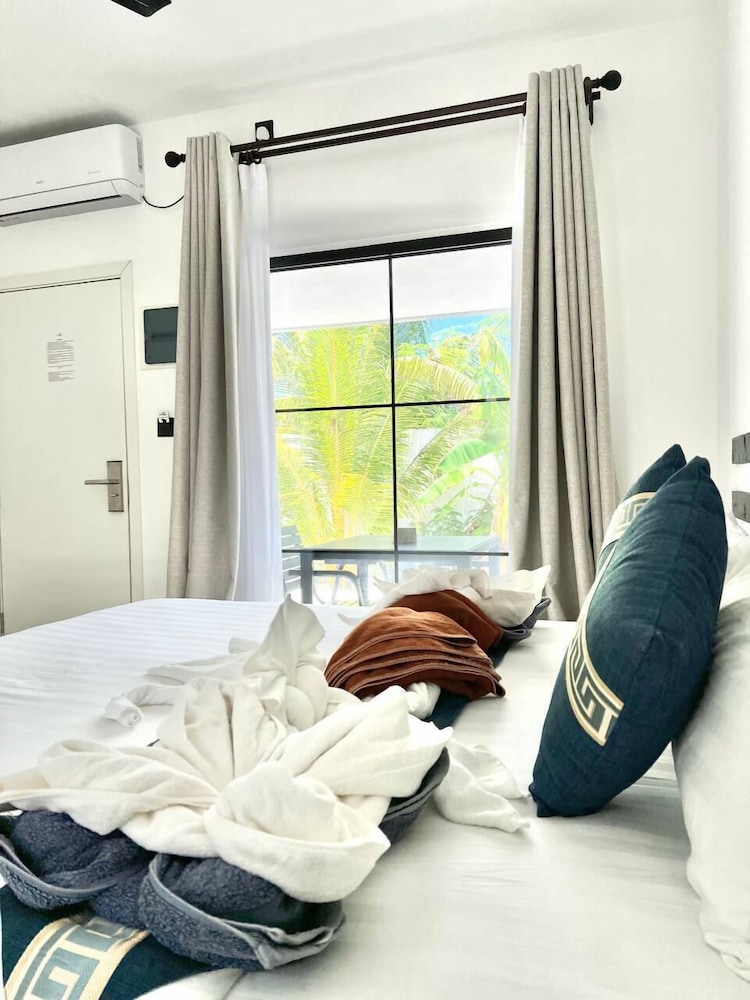
Where to stay
Hotels to consider
FAQ
Questions people ask
Which Maldives islands are best for young children?+
Dhigurah, Fulidhoo, Maafushi and resort islands in North and South Malé Atoll with shallow lagoons and short transfers. Avoid islands whose house reef sits behind a steep drop-off or a long wade across the reef flat.
Do children need their own snorkel gear?+
Bring well-fitted masks for each child, since rental masks rarely seal on small faces. Fins, reef shoes and rash guards can be bought or rented on larger islands, but sizes for under-tens are limited outside Malé.
How long are speedboat transfers?+
From Velana International Airport, speedboats reach Maafushi in about 30 minutes, Dhigurah in roughly 90 and Fulidhoo in about 75. Seaplanes take 25 to 45 minutes depending on the atoll, and fly only in daylight.
Is the sea safe for weak swimmers?+
Lagoons are calm, but channels and reef edges have currents. Most guesthouses and resorts provide life jackets for children, and a guide on a shared snorkel trip costs little compared with a private boat.
Which months have the calmest water?+
January to April generally brings the lightest winds and clearest water. June to August is warmer but windier, with more boat-trip cancellations. Whale shark sightings near Dhigurah are possible year-round.
Can we snorkel straight from the beach?+
Yes on islands with a genuine house reef, usually 30 to 50 metres from the sand. Ask your accommodation to point out the sandy channel, since swimming over the reef flat is damaging and often too shallow at low tide.
What should we skip?+
Dolphin cruises that chase animals, and house-reef snorkel trips scheduled at low tide. Both are uncomfortable for children and poor for the reef.
How far ahead should we book?+
For December to April, three to four months is sensible for family rooms and interconnecting accommodation; shorter notice works in the wetter months. Confirm transfer type and timing before paying, since seaplanes stop at dusk.


