
On inhabited islands the day begins before seven, when the mosque call, the school run and the fishing crews set the pace. Guesthouse breakfast is usually included: a plate of roshi (thin flatbread), mashuni (grated coconut, tuna and onion), sometimes a boiled egg, and sweet black tea. On Dhigurah in South Ari Atoll, a handful of cafés along the main sandy lane open around 7am; on Fulidhoo in Vaavu the choice is smaller still. Eat properly — the morning boat to the reef leaves early and there may be nothing open on your return.
01
Lunch is the main event: short eats, rice and curry, or a reef-side café
Your realistic budget is loose change by resort standards: a local breakfast of roshi, mashuni and tea is typically in the low single-digit dollar range at a café, or bundled with your room. The practical catch is that nearly every inhabited island is dry, so no breakfast beer and no wine with dinner — plan around fresh juice, kurumba (young coconut) and coffee. For a first local-island stay, I would book half board in a guesthouse on Dhigurah or Thoddoo and treat lunch as the meal I buy out. Best months are December to April for calm seas; expect more rain, lower rates and quieter beaches from May to November.
02
Dinner is early, quiet, and best arranged in advance
Local lunch splits three ways. First, the short-eats counter — hedhikaa such as gulha (tuna-stuffed dough balls), kuli boakiba and rihaakuru-based pastries, sold by the piece and eaten with tea; two or three plus a drink is a light, cheap meal. Second, the rice-and-curry plate: tuna curry, coconut curry, lentils, a vegetable, papadhu and rice, usually the best-value proper meal of the day. Third, the guesthouse kitchen, which will cook to order if you ask the evening before, or a beach café on the bikini beach side of the island.
Which island suits which habit matters. Thoddoo in Alif Alif is the market garden of the Maldives, so vegetables are fresh and the farm-to-table lunches are unusually good. Dhigurah has the widest café choice and the whale-shark channel a short boat ride away. Fulidhoo is tiny — two or three eating places, so half board is sensible. Maafushi in Kaafu has the most variety and is the easiest introduction, but feels less like a working island. My pick: Thoddoo for the food, Dhigurah for everything around it. Bring cash — card terminals are patchy and there are few ATMs, so withdraw at Malé's Velana International Airport on arrival.
03
Planning the week around meals, boats and the weather
Dinner on a local island tends to start between 7pm and 8.30pm, because the kitchens close early and the ferries and dive boats run on daylight. Expect grilled tuna or mas riha (fish curry), rice, roshi and a vegetable, often served in a guesthouse courtyard or on the roof terrace. Some guesthouses set up a table on the bikini beach by arrangement — ask in the morning, not at seven in the evening. The Maldives' tuna fishery is pole-and-line, so the fish is genuinely local and usually excellent.
If you want alcohol with dinner, an inhabited island will not provide it. A resort day pass — a boat transfer plus lunch and pool access — is the usual workaround; from Maafushi several resorts in Kaafu run these. Choose a day pass over changing your whole booking if you only want one indulgent afternoon. A practical risk: ferries stop in the early afternoon, so an island-hopping dinner plan rarely works. Sleep where you eat. For a calm first trip, three nights on Dhigurah, then three on Thoddoo, with speedboat transfers booked through the guesthouse.
04
What to know before you book a guesthouse
Book on half board for a first local-island stay, then eat lunch out. Half board covers the two meals where lack of choice actually hurts, and leaves the middle of the day free for short eats and café lunches on the bikini beach. Check whether your guesthouse has a kitchen that cooks to order or simply reheats a set menu — the answer changes the value of half board considerably. Also confirm the transfer: a speedboat from Malé to Dhigurah takes roughly 90 minutes and is booked with the room; the public ferry is cheaper but slow and does not run daily.
Bikini beaches are the designated areas where swimwear is acceptable; elsewhere on inhabited islands, cover shoulders and knees, and do not expect alcohol. Ramadan shifts things — some cafés close by day and dinners move later, so ask before travelling. The 16 visitors and handful of hotel views on this page each week tell me most people are still only browsing; the ones who book will be the ones who reserve a room and a speedboat together. December to April is the dry, calm, pricier window; May to November is cheaper, greener and quieter.
Where to stay
Hotels in North Ari Atoll
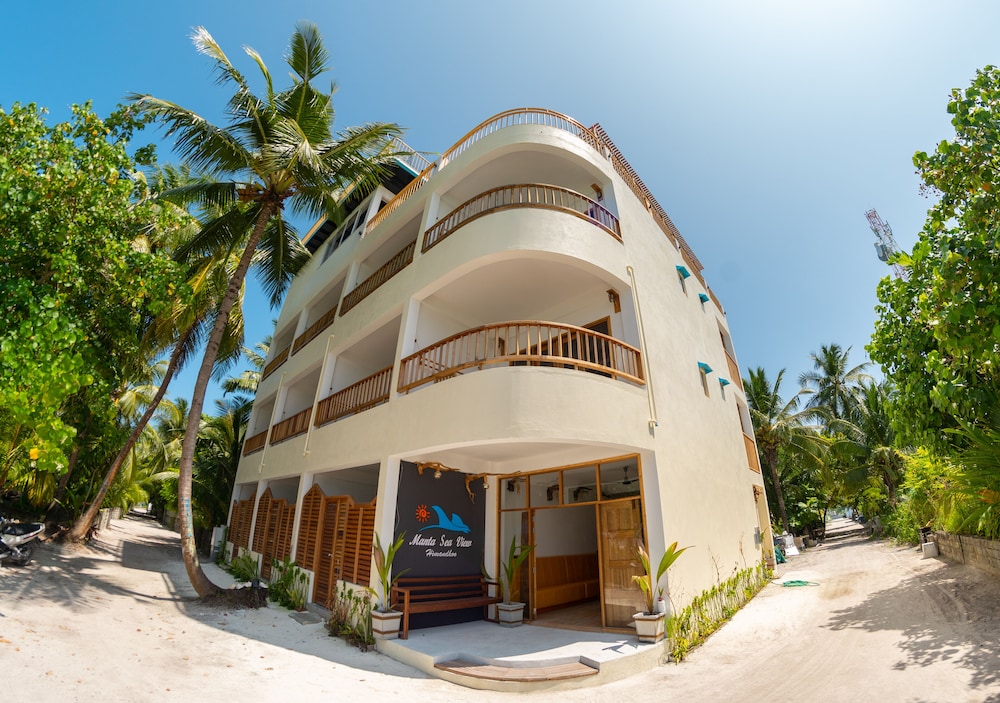
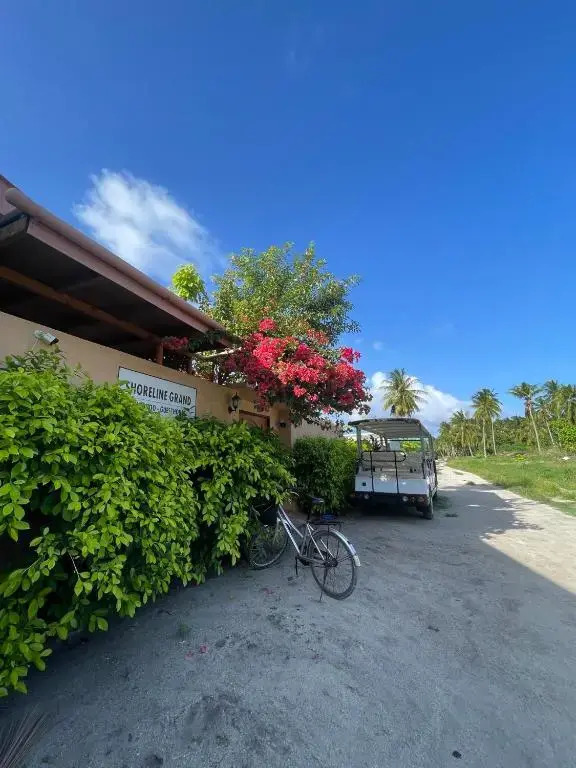
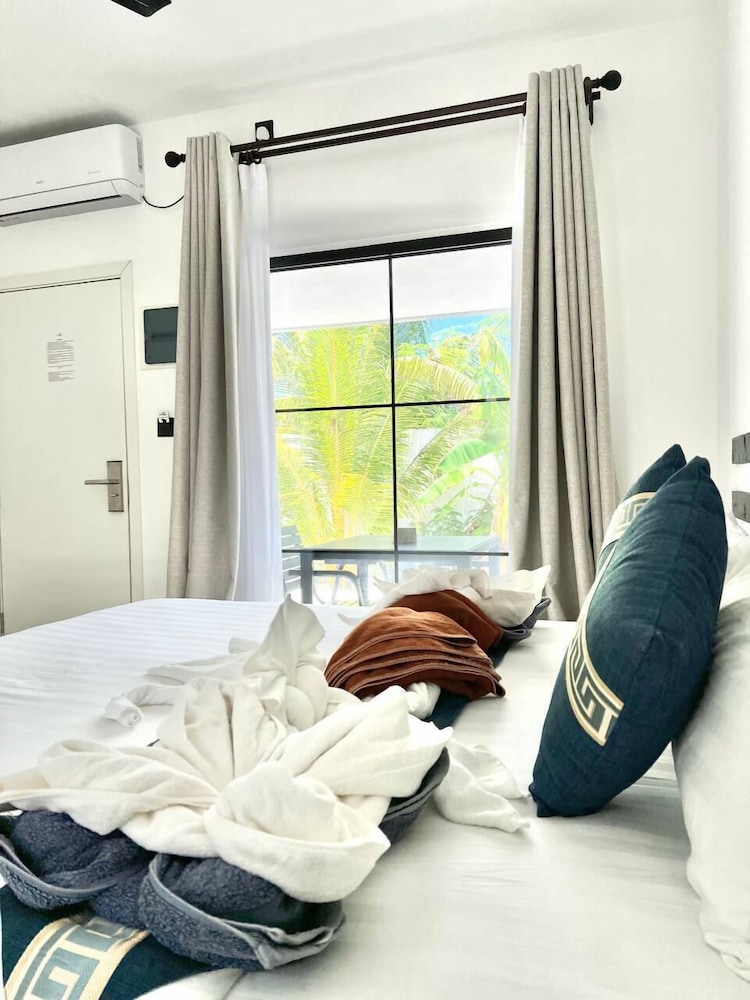
Where to stay
Hotels to consider
FAQ
Questions people ask
What is eaten for breakfast on a Maldivian local island?+
Usually roshi flatbread with mashuni, a mix of grated coconut, tuna, onion and chilli, plus a boiled egg or a sweet pastry and black tea. Guesthouse rates normally include it. Cafés open around 7am, earlier than you might expect.
How much should I budget for food per day?+
Local-island eating is inexpensive: café breakfast low single-digit dollars, a rice-and-curry lunch or short eats for a few dollars, and a grilled-fish dinner at a guesthouse typically under twenty. Half board removes most guesswork. Carry cash, as card terminals are patchy.
Can I drink alcohol on a local island?+
No. Inhabited islands are dry, so guesthouses do not serve alcohol and you cannot bring your own. The usual workaround is a resort day pass with boat transfer, lunch and pool access, which can be arranged from islands such as Maafushi in Kaafu Atoll.
Which island is best for food?+
Thoddoo in Alif Alif Atoll grows much of the country's vegetables, so its guesthouse kitchens produce unusually fresh lunches and curries. Dhigurah in South Ari has the widest café choice. Fulidhoo in Vaavu is tiny, with only a few places, so half board is wise there.
Do I need to book meals in advance?+
Ask your guesthouse the evening before for lunch, and in the morning if you want a beach dinner. Kitchens cook to order and close early, roughly 8.30pm. Half board is the simplest arrangement for a first local-island stay, and you can buy lunch out.
Can I eat vegetarian or avoid fish?+
Yes, with notice. Rice-and-curry plates include coconut, lentil and vegetable curries, and Thoddoo's market gardens supply fresh produce. Tell your guesthouse at check-in. Tuna appears in many dishes, including some you might not expect, so ask each time.
How do I get between islands for a food-focused trip?+
Book speedboat transfers with your guesthouse: Malé to Dhigurah takes around 90 minutes. Public ferries are cheaper but slow and do not run daily, and scheduled services stop in the early afternoon. Pair two islands rather than three, and sleep where you eat.
When is the best time to visit for calm seas and fresh produce?+
December to April brings the driest, calmest weather and higher rates; May to November is greener, quieter and cheaper, with more rain. Ramadan changes café hours and dinner times, so check with your guesthouse before booking in that period.


