
An overwater spa is a resort feature, not something you will find on inhabited islands. Treatment rooms stand on stilts over the lagoon, sometimes with glass panels in the floor. The setting is the point, but the treatment itself is a normal spa service, and menus, prices and booking rules differ from island to island.
01
What an overwater spa is
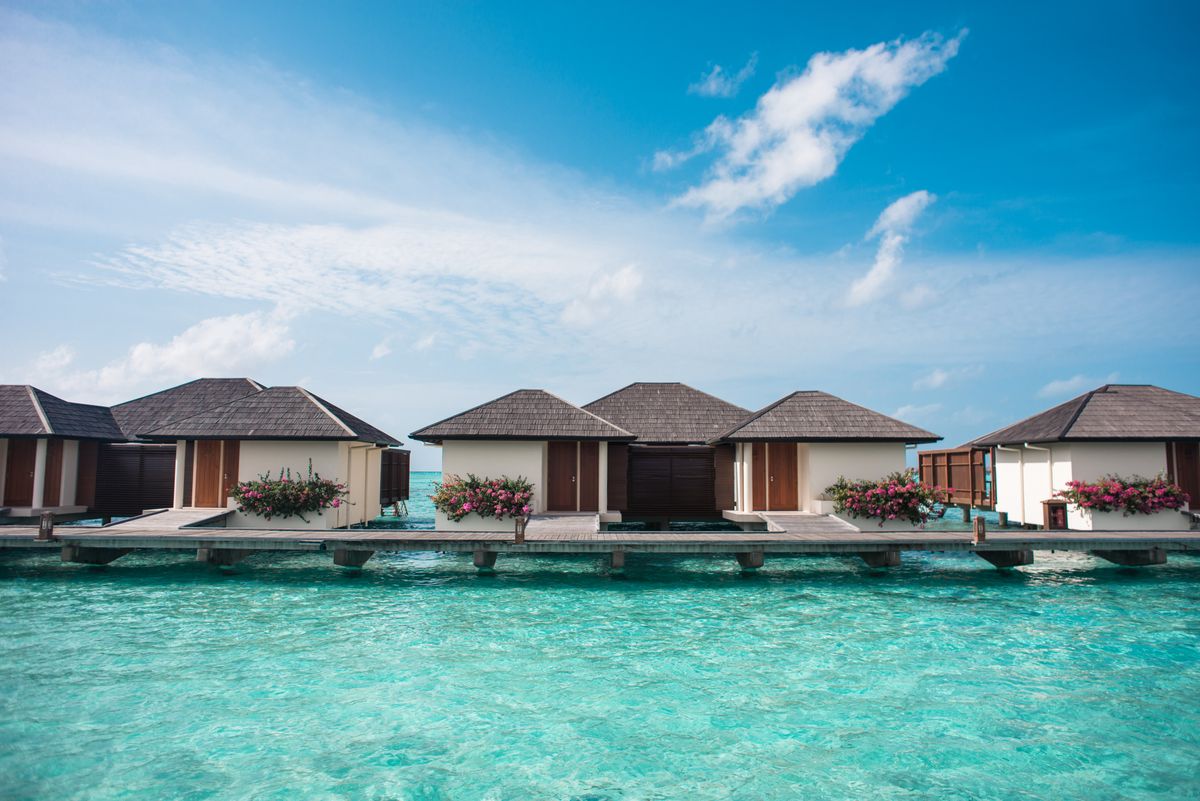
An overwater spa is a set of treatment pavilions built on stilts in the lagoon, connected to the resort by a walkway. Many have glass floor panels so you can watch the water below during a treatment. Some are open-sided, with curtains or blinds for privacy, and the sound of the lagoon is part of the experience.
The setting is what distinguishes these spas from a standard hotel spa. The treatments themselves are ordinary spa services: massages, facials, body scrubs and wraps. Many menus draw on local ingredients such as coconut, and some use sand or salt. The range is wide, and what is offered on one island may not be available on another.
Not every resort has an overwater spa. Some have treatment rooms on the beach or in the garden instead. If the overwater setting matters to you, check the resort's spa description before booking, rather than assuming it from the photos.
02
Booking and what to expect
Booking ahead is usual, especially for late-afternoon slots when guests want a treatment before dinner. Some spas take bookings before arrival, through the resort, and some only once you are on the island. Popular times can fill up, so it is worth asking when you book the room.
Many spas ask guests to arrive early to use the facilities, which may include a steam room, a plunge pool or a relaxation deck. This is often part of the experience rather than an optional extra, but it is not universal. Ask what arrival time is expected and what is included in the treatment you are booking.
Cancellation terms vary. Some spas charge for late cancellations or no-shows, and some require notice of several hours. Confirm the terms when you book, particularly if your plans depend on weather or on a transfer time.
- Book ahead. Popular slots fill up; ask the resort before arrival.
- Arrive early. Many spas expect time to use the facilities first.
- Check inclusions. Confirm what the treatment covers and what costs extra.
- Ask about cancellation. Terms vary and late changes may be charged.
03
Treatments and ingredients
Menus vary widely between resorts. Massages are the mainstay, with a choice of pressure and duration. Facials, body scrubs, wraps and couples treatments are common. Some spas offer treatments using coconut oil, sand, salt or local herbs, and some describe their products as drawn from island ingredients.
Descriptions on a menu are not medical claims. A spa treatment is not a medical service, and staff are not diagnosing or treating illness. If you have a skin condition, an injury, are pregnant or have other health concerns, tell the spa when you book and take advice from your own doctor before you travel.
Prices are set by each resort and are not published here. Some treatments cost more than others, and some spas add a service charge. Ask for the full price when you book, including anything that is charged on top.

04
The overwater setting
The appeal of an overwater spa is the location. Treatment rooms sit above the lagoon, often with views across the water and, in some cases, glass panels in the floor. The walkway out to the pavilions is part of the experience, and some spas have a deck or lounge area at the end.
The setting also brings practical points. Overwater pavilions can be reached by a walkway with no shade, so a hat and a cover-up are useful for the walk. Some spas are open-sided and depend on breeze, while others are enclosed and air-conditioned. Ask which applies if this matters to you.
Weather can affect the experience. Wind and rain are possible in any month, and the southwest monsoon, roughly May to November, brings windier and wetter spells. Treatments usually go ahead, but the walk and the views are more pleasant on a calm day.
05
A resort-only experience
Overwater spas are found on resort islands, where one island holds one resort. They are not available on inhabited islands, where guesthouses serve visitors. On local islands there is no alcohol, and the facilities are different in kind, so an overwater spa is not something to expect there.
If you are staying on a local island, some resorts offer day visits that may include spa access, but this depends on the resort and is not guaranteed. Ask the guesthouse or the resort directly, and confirm what a day visit includes before you plan around it.
Resort transfers are arranged by the resort. Seaplanes fly in daylight only, while speedboats can run day and night. If your spa booking depends on arriving in time, check the transfer schedule with the resort when you book.
- Resort islands. Overwater spas are a resort feature.
- Local islands. Guesthouses do not have overwater spas.
- Day visits. Spa access depends on the resort; ask first.
06
Practical points
Wear or bring what you need for the walk to the pavilion. Many spas provide robes and slippers, but the walkway may be exposed. If you have long hair, a hair tie is useful for treatments that involve oil. Ask the spa what to bring when you book.
Tell the spa about allergies, sensitive skin or any condition that might affect the treatment. This is normal practice and helps staff adjust what they use. If you are unsure whether a treatment is suitable, ask before you book rather than after.
Photography rules vary. Some spas allow photographs of the setting but not of other guests, and some do not allow phones in treatment areas. Ask staff if you want to take pictures, and respect the privacy of other guests.
FAQ
Questions people ask
Is an overwater spa treatment available on local islands in the Maldives?+
No. Overwater spas are a feature of resort islands, where one island holds one resort. Inhabited islands have guesthouses and villages, with no alcohol and different facilities. If you are staying on a local island, ask whether any nearby resort offers day visits that include spa access, and confirm what is included before you plan around it.
Do I need to book an overwater spa treatment in advance?+
Booking ahead is usual, especially for late-afternoon slots. Some spas take bookings before arrival through the resort, while others only once you are on the island. Popular times can fill up, so ask when you book your room. Confirm the spa's booking policy and any cancellation terms at the same time.
What should I check before booking an overwater spa treatment?+
Confirm what the treatment includes, whether arrival early to use the facilities is expected, and what costs extra. Ask about cancellation terms, since some spas charge for late changes. If you have allergies, sensitive skin or a medical condition, tell the spa when you book and take advice from your own doctor if you are unsure.
Are overwater spa treatments medical services?+
No. A spa treatment is not a medical service, and staff are not diagnosing or treating illness. Menus may describe ingredients and benefits, but these are not medical claims. If you have a skin condition, an injury, are pregnant or have other health concerns, speak to your own doctor before you travel and tell the spa when you book.
What ingredients are used in overwater spa treatments in the Maldives?+
Menus vary widely between resorts. Many draw on local ingredients such as coconut, and some use sand, salt or herbs. Massages, facials, scrubs and wraps are common. Because each resort sets its own menu, ask for the current list and tell staff about any allergies or skin sensitivities before the treatment begins.
Can I use the spa facilities before my overwater spa treatment?+
Many spas ask guests to arrive early to use facilities such as a steam room, plunge pool or relaxation deck. This is often part of the experience, but it is not universal. Ask what arrival time is expected and what is included when you book, so you can plan the rest of your day around it.
Does weather affect an overwater spa treatment?+
Treatments usually go ahead in most weather, but the walk to the pavilion and the views are more pleasant on a calm day. The southwest monsoon, roughly May to November, brings windier and wetter spells. If the setting matters to you, ask the resort about typical conditions for your travel dates.
How do I reach an overwater spa from Velana International Airport?+
Transfers are arranged by the resort. Seaplanes fly in daylight only, while speedboats can run day and night. Scheduled domestic flights reach regional airports, usually followed by a boat. If your spa booking depends on arriving in time, check the transfer schedule with the resort when you book your room.
Can I take photographs during an overwater spa treatment?+
Rules vary. Some spas allow photographs of the setting but not of other guests, and some do not allow phones in treatment areas. Ask staff before taking pictures, and respect the privacy of other guests. If you want images of the pavilion, ask whether there is a time when it can be photographed without others present.


