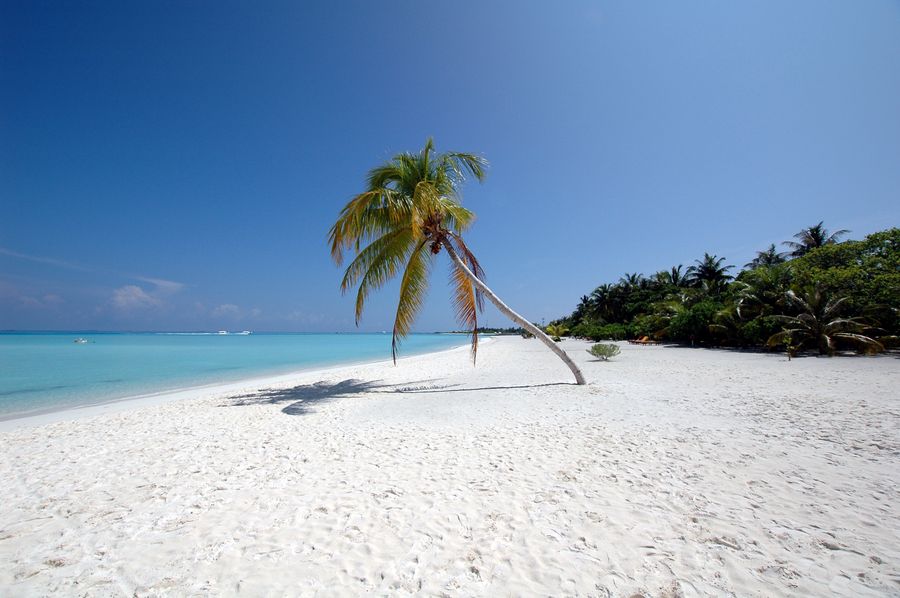
Utheemu Ganduvaru stands on the island of Utheemu in Haa Alif Atoll, in the far north of the country. The house is a heritage site, kept as an example of traditional Maldivian building, and is associated with the family of Sultan Mohamed Thakurufaanu.
01
What the house is
Utheemu Ganduvaru is a traditional Maldivian house, preserved rather than rebuilt. Its walls are laid in coral stone, cut and stacked in the way island builders worked before imported materials arrived. Inside, the rooms hold period furnishings and fittings that show how a household of standing lived.
The timber is the detail most visitors remember. Carvings run along panels and beams, worked by hand, and the joinery is exposed rather than hidden. The house is associated with the family of Sultan Mohamed Thakurufaanu, a national hero, which is why it has been kept and shown.
It is a heritage site rather than a museum in the European sense. The scale is domestic, the rooms are small, and a visit takes a modest part of a morning or afternoon.

02
How a visit works
Visits are usually guided, and a guide explains the rooms, the carvings and the family the house is associated with. Groups are kept small because the interior is compact. Shoes come off at the door, as in any Maldivian home.
Opening hours and entry arrangements can change, and the site may close at short notice. Confirm the current position with your guesthouse or the island council before travelling across the atoll, and do not treat a published timetable as fixed.
Dress modestly. Shoulders and knees covered is the safe standard on an inhabited island, and it applies here. Photography may be restricted in parts of the house, so ask before using a camera and follow any instructions given on site.
03
Getting to Utheemu
Utheemu lies in Haa Alif Atoll, the northernmost administrative atoll, and is reached by domestic flight followed by a boat. The nearest regional airport for this part of the north is at Hanimaadhoo, and a boat transfer covers the rest of the journey.
Scheduled flights connect that airport with Velana International Airport beside Malé. Seaplanes fly in daylight only and do not serve every island, so the flight-and-boat combination is the usual route for this far north.
Transfers are arranged through the place you are staying. Ask them to confirm the boat leg as well as the flight, since the two are booked together in practice and the boat timetable is the part that moves.
- By air: scheduled domestic flight to the regional airport, then boat.
- Book together: ask your guesthouse to confirm flight and boat as one journey.
- Daylight: seaplanes do not fly after dark, so late arrivals need a plan.
- Allow time: the northern atolls are a long way from Velana.
04
Utheemu and its lanes
Utheemu is an inhabited island with a village, a harbour, a mosque and a school. Combine the house with a walk through the lanes, which are shaded in places and quiet outside prayer times. The island is small enough to cross on foot.
Friday midday prayers close many businesses on inhabited islands, and the middle of Friday is not the time to arrange a visit. During Ramadan, eating and drinking in public in daylight is avoided. Both are ordinary courtesies rather than rules aimed at visitors.
There is no alcohol on inhabited islands, and importing alcohol or pork into the country is not allowed. Swimwear belongs on a designated beach, often called a bikini beach, and not in the village.

05
Elsewhere in the north
Haa Alif and neighbouring Haa Dhaalu are quiet by Maldivian standards, with few resort islands and a scatter of inhabited ones. Travellers who come this far usually come for the local-island side of the country rather than for a resort beach.
The same northern run takes in other heritage and village stops, and guesthouses on the inhabited islands can arrange boat trips to sandbanks and reefs. Ask what is running during your stay rather than assuming a fixed excursion list.
Distances between islands here are real, and crossings are longer than in the central atolls. The southwest monsoon, roughly May to November, brings windier weather and choppier crossings, so build some slack into the plan.
- Iruvai: roughly December to April, drier and calmer.
- Hulhangu: roughly May to November, windier with passing showers.
- Crossings: longer in the north; allow for a lost day.
06
Practical points
The house is a heritage site and the island is a working village. Keep voices low inside, do not touch the carvings or furnishings, and ask before photographing people. Touching or standing on coral is harmful anywhere in the country, and taking coral or shells out of the country is not allowed, which applies to anything found on the beach here.
A fee is charged for some heritage sites and may be charged here; confirm what applies when you arrive. Carry small notes for local purchases, since card machines are not universal on inhabited islands.
There are guesthouses on inhabited islands in the north, and stays are arranged directly with them. Transfers, excursions and any site arrangements are usually handled by the guesthouse, which is also the best source of current local information.
FAQ
Questions people ask
Where is Utheemu Ganduvaru?+
It stands on the island of Utheemu in Haa Alif Atoll, the northernmost administrative atoll of the Maldives. The island is inhabited and is reached by a scheduled domestic flight followed by a boat transfer. The house is within the village, and the island is small enough to walk across.
Who was Sultan Mohamed Thakurufaanu?+
He is a national hero in Maldivian history, remembered for the family associated with Utheemu Ganduvaru. The house is preserved because of that connection, and a guided visit explains it. The site is presented as heritage rather than as a formal museum, so the detail you get depends on the guide.
Are visits to Utheemu Ganduvaru guided?+
Visits are usually guided, and a guide explains the rooms, the carved timber and the family the house is associated with. Arrangements can change, so confirm with your guesthouse or the island council before travelling. Groups are kept small because the interior is compact and the rooms are domestic in scale.
What should I wear at Utheemu Ganduvaru?+
Dress modestly, with shoulders and knees covered. That is the standard on inhabited islands and it applies at the house. Shoes come off at the door, as in any Maldivian home. Swimwear belongs on a designated beach, not in the village or at the heritage site.
Can I take photographs inside Utheemu Ganduvaru?+
Photography may be restricted in parts of the house, so ask before using a camera and follow any instructions given on site. Ask before photographing people in the village as well. Restrictions can change, and the guide present on the day is the person to check with.
How do I reach Utheemu in Haa Alif Atoll?+
The usual route is a scheduled domestic flight from Velana International Airport to the regional airport serving the north, followed by a boat transfer. Seaplanes fly in daylight only and do not serve every island. Ask your guesthouse to confirm the flight and the boat leg together before booking.
Is there a fee to enter Utheemu Ganduvaru?+
A fee may be charged for entry or for a guided visit, and arrangements can change. Confirm what applies when you arrive or in advance through your guesthouse. Carry small notes, since card machines are not universal on inhabited islands in the north.
When is the best time to visit Utheemu Ganduvaru?+
The house can be visited all year. The northeast monsoon, roughly December to April, is drier and calmer, which suits the boat leg. The southwest monsoon, roughly May to November, brings windier weather and choppier crossings. Avoid the middle of Friday, when midday prayers close many businesses.
What else is there to do on Utheemu?+
Utheemu is an inhabited island with a village, a harbour, a mosque and a school. A walk through the lanes combines well with the house. Guesthouses on northern inhabited islands can arrange boat trips to sandbanks and reefs, so ask what is running during your stay rather than assuming a fixed list.