
The inhabited islands of Kaafu atoll are the simplest base. Maafushi and Gulhi sit 25 to 35 minutes from Malé by scheduled public ferry, and both have a designated tourist beach where swimwear is acceptable; on Gulhi that beach is a short walk from the jetty. Himmafushi, next door, is quieter and better known for surfing. Ferries from Malé's Villingili terminal run most days but not always twice daily, so check the printed timetable at the booth before you commit to a return leg.
01
Which public islands work best for a beach day
Speedboat transfers cut the crossing to roughly 15 minutes and usually cost more than the ferry, though operators bundle them into day-trip packages. If you are staying on a local island, guesthouses on Maafushi and Dhigurah commonly arrange picnic hampers and a shaded spot for guests — ask at reception the evening before rather than the morning of. I would book two nights on Maafushi or Dhigurah over a single day trip: the ferry timings give you a real afternoon on the beach instead of a rushed one.
02
What a day shelter actually is, and what it costs
A day shelter on a public island is rarely a formal facility. It is usually a palm-thatch hut, a concrete bench under a tree, or a table and chairs set up by a guesthouse or a small cafe on the beach. On Maafushi's bikini beach, guesthouses put out loungers and umbrellas for their own guests; non-residents can often rent a lounger for a modest fee paid on the spot. Prices vary by island and season, so treat any figure you are quoted as negotiable and confirm in person.
Public islands also have community areas — the harbour front, school grounds, football pitches — where shade exists but beachwear does not belong. Local custom matters: outside the designated tourist beach, cover shoulders and knees. Bring your own mat, a sarong and a refillable water bottle; shops on Maafushi stock sunscreen and snacks, but smaller islands like Gulhi have only a handful of stores and limited opening hours. Cash in rufiyaa is useful for small purchases; card acceptance is better in guesthouses than in village shops.
03
Food, tides and timing your picnic
Pack food that survives heat: fruit, bread, tinned fish, and plenty of water. On Maafushi, bakeries and small restaurants near the harbour sell short eats in the morning, and guesthouse kitchens will prepare a packed lunch if you ask the day before. Avoid leaving food uncovered — island crows and ants are persistent. Alcohol is not sold on inhabited islands; do not plan a picnic around wine or beer. Friday is the local weekend, so some shops and cafes close or keep short hours; plan around it rather than against it.
Tides shape the day more than most visitors expect. Check a tide table before you pick your spot; a beach that looks generous at 10 a.m. can narrow sharply by mid-afternoon. The northeast monsoon, roughly December to April, brings the calmest, driest conditions and is the best window for a picnic. The southwest monsoon, May to November, brings rain squalls and rougher crossings, and ferries are more likely to be cancelled. Build a buffer into your return journey and keep the guesthouse informed of your plans.
04
Getting there, staying there, and what to skip
From Velana International Airport, a taxi to Malé's Villingili ferry terminal takes 15 to 20 minutes depending on traffic. Public ferries are the cheapest option but run to a fixed schedule; speedboats are faster and more flexible but cost more and are best booked through your guesthouse. If your flight lands after mid-afternoon, plan to overnight in Hulhumalé or Malé and take the morning ferry rather than risk a rushed connection. Guesthouses on Maafushi and Dhigurah are the most established and easiest to book.
Skip the temptation to treat a public island as a resort substitute. There is no pool bar, no room service, and the beach is shared with the community. Come expecting a slower, quieter day and you will enjoy it more. Do not walk onto private land for a photograph, and dress modestly in the villages. If you want a guaranteed shaded lounger, a served lunch and no ferry timetable, book the resort instead; if you want a genuine island afternoon at a fraction of the cost, the local guesthouse is the right choice.
Where to stay
Hotels to consider
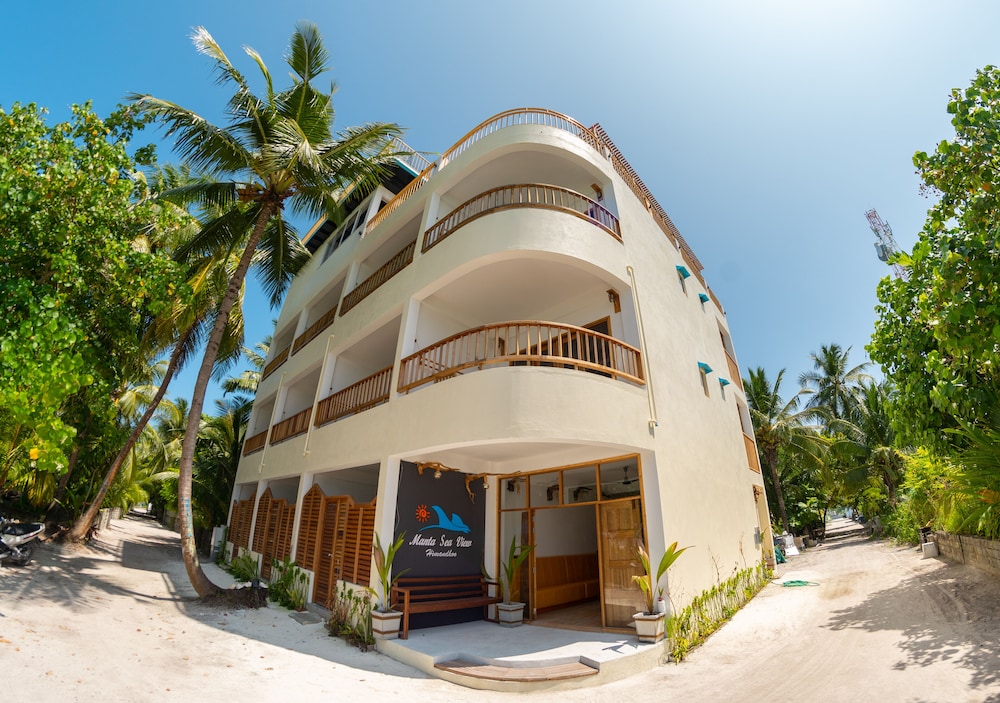
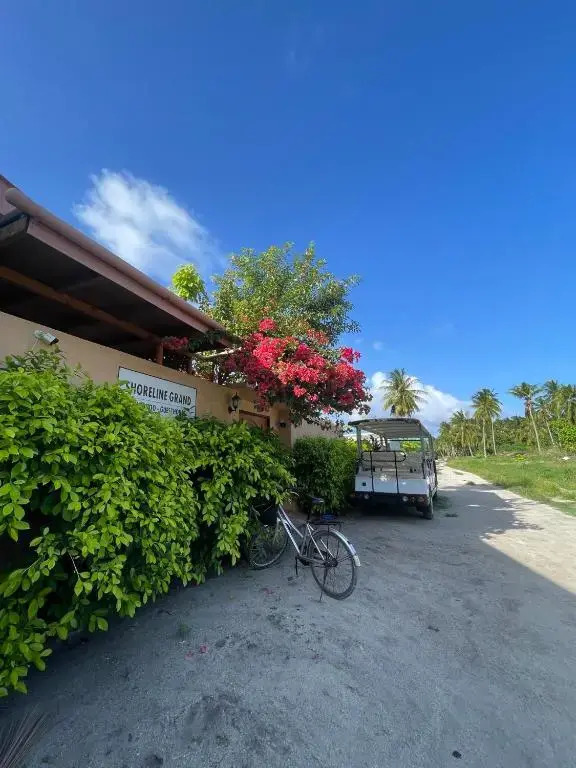
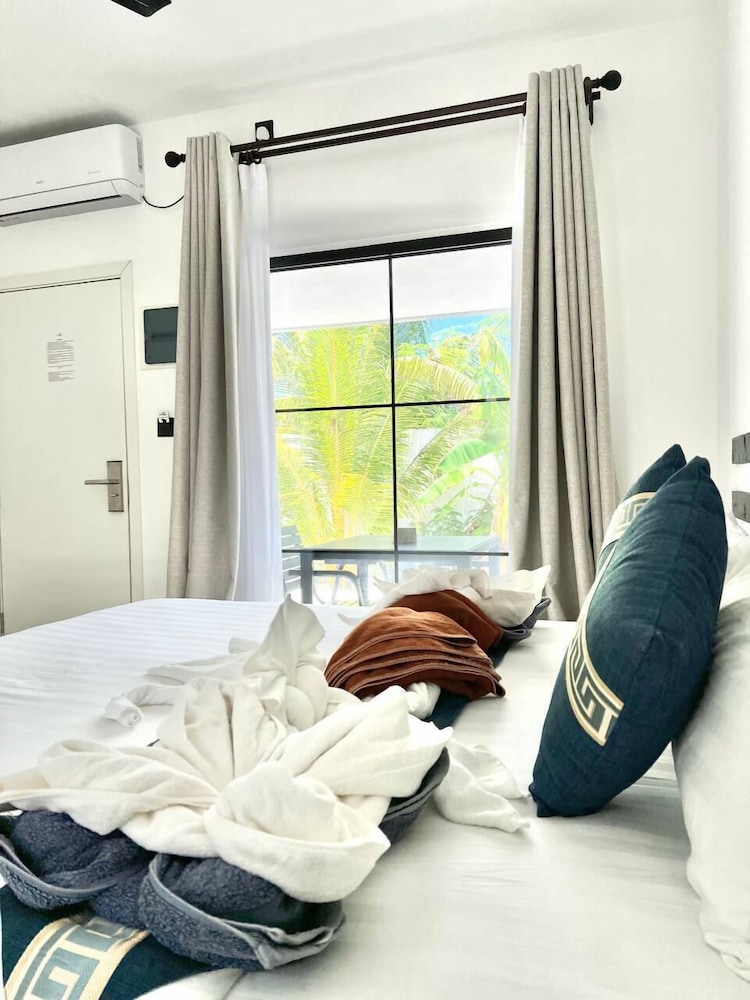
Where to stay
Hotels to consider
FAQ
Questions people ask
Can I wear a bikini on a public island in the Maldives?+
Only on the designated tourist beach, sometimes called the bikini beach. Maafushi and Gulhi both have one. Elsewhere on the island, including the harbour and village streets, cover shoulders and knees. Ask your guesthouse where the boundary is before you walk out in swimwear.
How do I get to Maafushi from Malé?+
Public ferries leave from the Villingili ferry terminal and take about 30 minutes, but run only a few times a day. Speedboats take around 15 minutes and are usually arranged by your guesthouse. Confirm the return leg before you leave, especially in the southwest monsoon.
Do I need to book a day shelter in advance?+
Rarely. Most shade on public islands is informal — a thatched hut, a tree, a guesthouse table. If you want a guaranteed lounger and umbrella, ask your guesthouse the evening before. Rentals are usually arranged on the spot rather than pre-booked.
Is food available on the beach?+
On Maafushi, yes — bakeries and small restaurants near the harbour sell short eats in the morning. On smaller islands, supplies are limited. Ask your guesthouse to pack a lunch the day before, and carry more water than you think you need. Alcohol is not sold on inhabited islands.
When is the best time for a beach picnic?+
December to April, during the northeast monsoon, brings the calmest seas and driest weather. May to November is wetter and rougher, with more chance of cancelled ferries. Even in the dry season, check the tide table — a beach that is wide at morning can be narrow by afternoon.
Can I visit a public island as a day trip without staying overnight?+
Yes, by public ferry or speedboat, but the ferry timetable limits you to a few hours. Staying one or two nights gives you a relaxed afternoon and a calm return. If your flight lands late, overnight in Hulhumalé or Malé and take the morning ferry instead of rushing.
What should I bring for a day on a public island?+
A mat or sarong, reef-safe sunscreen, a refillable water bottle, cash in rufiyaa for small purchases, and modest clothing for the village. Shops on Maafushi stock essentials, but Gulhi and smaller islands have only a few stores with limited hours, so bring what you need.
How much does a day shelter or lounger cost?+
It varies by island, season and operator, so confirm in person before settling in. Guesthouses often include loungers for their own guests and charge non-residents a small fee. Treat any quote as negotiable and pay in cash where card is not accepted.


