
May is the first month of the south-west monsoon, known locally as the hulhangu, and the shift is gradual rather than abrupt. The transition begins in April and settles through May, so the first ten days often still feel like the dry season, while the last week is noticeably wetter. Rainfall averages climb from the March-April lows, but showers typically arrive in short, heavy bursts in the afternoon or overnight rather than as all-day drizzle. Sea temperatures hold steady around 28-29°C, and air temperatures stay near 30°C with high humidity.
01
What May Actually Does to the Weather
Where you are in the archipelago changes the picture. The southern atolls, around Addu and Fuvahmulah, sit closer to the equator and see less pronounced monsoon swings than the central atolls near Malé. Northern atolls such as Haa Alifu and Haa Dhaalu reach the wetter end of the spectrum earlier. If your dates are fixed and you cannot move, book the south. If you can choose, aim for the first half of the month and treat the third week as the real dividing line.
02
Resorts, Guests and What You Get
May delivers two things that matter for the money: lower occupancy and more flexible resort pricing than the December-to-April peak. The drop is most pronounced in the first two weeks, before European school holidays and the Eid al-Fitr travel wave (which shifts each year, so check the lunar calendar for your dates). Guest numbers in the resorts fall, and operators respond with inclusions rather than headline discounts — free nights, upgraded half-board to all-inclusive, or transfers bundled into the rate. That said, the shoulder is no longer a secret: Chinese and Indian holidaymakers now fill much of the gap, so do not assume an empty island.
Outside the resorts, the picture is different again. Guesthouses on Maafushi, Dhigurah and Thoddoo keep running at local rates, which are a fraction of resort pricing, and in May you will find more availability than in the peak weeks. Local islands observe the monsoon, so boat schedules to the dive sites on South Ari Atoll can shift with sea conditions. The practical advantage is that you can stay longer for the same budget and treat a rained-off afternoon as a spa or reading day rather than a lost expensive day.
03
Diving, Snorkelling and Marine Life
May is one of the best months for manta rays in Hanifaru Bay, in the Baa Atoll UNESCO Biosphere Reserve, though the peak season runs from June to October, so late May catches the beginning of the aggregation. Whale sharks are resident year-round in South Ari Atoll near Dhigurah and Maamigili, and the plankton-rich waters of the south-west monsoon bring them closer to the surface. Visibility dips slightly with the plankton and runoff, typically to 20-30 metres rather than the dry-season 30-40, but the marine life more than compensates.
Water sports and diving operators in May usually have space on boats, which is not true in February. Surfers should look at the southern atolls, where the south-west swell builds from May and the breaks near Thinadhoo and Fuvahmulah start firing. If you are a beginner, the sheltered lagoon sites off Maafushi and Thulusdhoo remain workable. I would skip the northern atolls for dedicated dive trips in May and put the budget into the south or the central atolls, where sea conditions are more reliable.
04
Getting There, Getting Around and Booking
Velana International Airport (MLE) on Hulhulé handles all international arrivals. Direct flights from Europe and the Gulf run year-round, but schedules thin slightly in May as seasonal charters wind down, so book flights six to eight weeks ahead rather than last minute. Seaplane transfers to resort islands operate only in daylight, and the last departures leave mid-afternoon; if your flight lands after 15:00, plan a night in Malé or Hulhumalé. Speedboat transfers to North and South Malé Atoll resorts run later and are cheaper, though rougher in monsoon swell.
For island hopping, the public ferries between Malé, Maafushi, Gulhi and Guraidhoo are cheap but slow, and May weather can cancel them. Resort speedboats and scheduled domestic flights to Dharavandhoo, Kadhdhoo and Gan are the reliable options. My own booking preference for May is a guesthouse on Maafushi for the first three nights to acclimatise, then a speedboat transfer to a South Ari resort close to the whale shark zone. That combination keeps the transfer costs predictable and puts you in the water where the marine life is, rather than paying a premium for a northern island you cannot fully use in the rain.
Where to stay
Hotels to consider
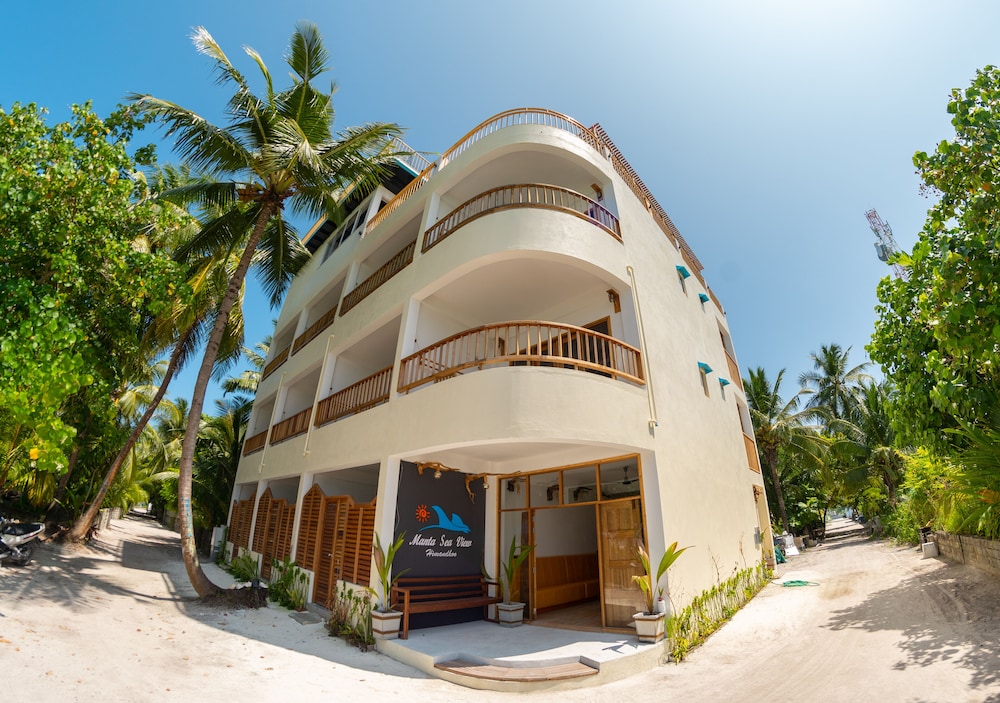
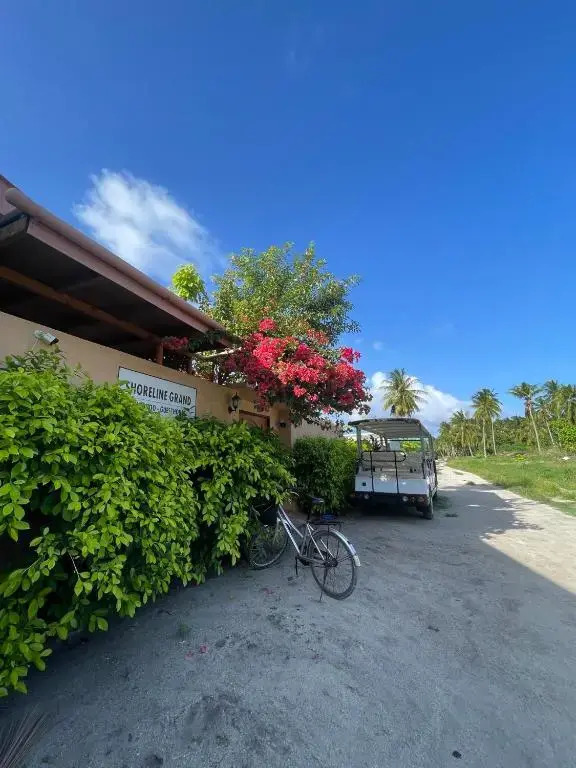
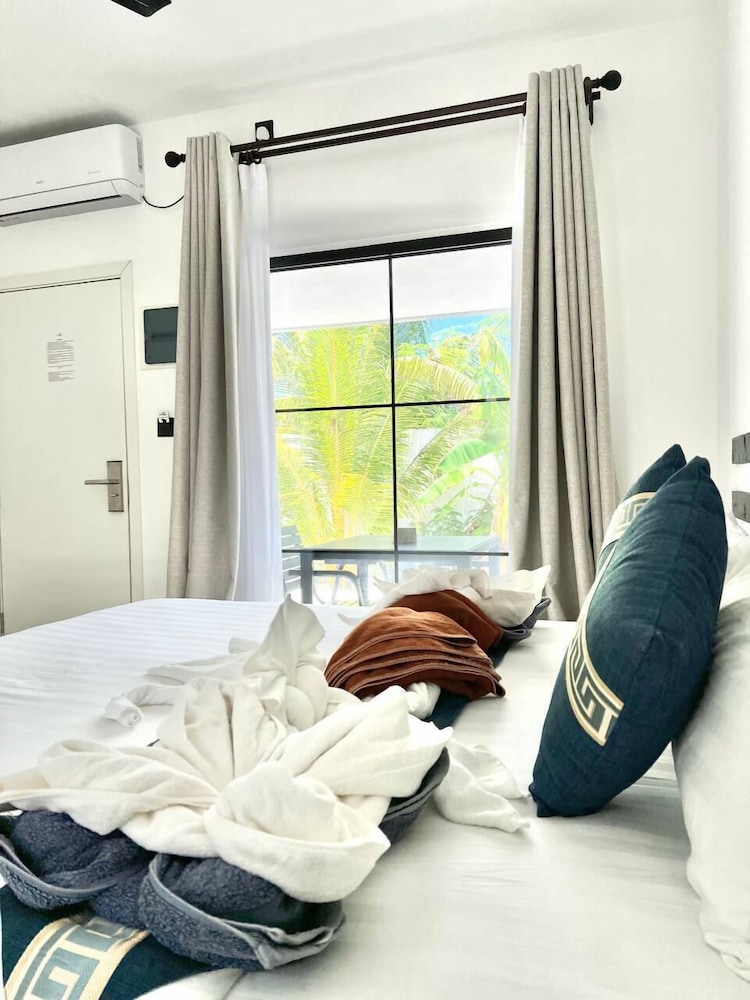
Where to stay
Hotels to consider
FAQ
Questions people ask
Is May a good month for a first Maldives trip?+
Yes, if you accept short afternoon showers. Early May still feels like the dry season, prices are lower than the December-April peak, and boats and dive sites are less crowded. Book the first half of the month for the best odds of clear days.
How much does the weather differ between atolls in May?+
The southern atolls near Addu and Fuvahmulah see milder monsoon swings than the central atolls around Malé, while the far northern atolls tend to be wetter earlier. If your dates are fixed, the south is the safer choice.
Do I need to book seaplane transfers in advance in May?+
Yes. Seaplanes only fly in daylight, with the last departures mid-afternoon, and schedules thin in May. Book transfers through your resort as soon as your flights are confirmed, and plan a night in Hulhumalé if you land late.
Can I still see manta rays and whale sharks in May?+
Yes. Whale sharks are resident year-round in South Ari Atoll, and Hanifaru Bay in Baa Atoll begins its manta season in late May, building to a June-October peak. Visibility drops slightly but the marine life is strong.
Is May a good month for surfing in the Maldives?+
It is the start of the south-west swell season. The southern atolls, particularly around Thinadhoo and Fuvahmulah, see consistent waves from May, while sheltered lagoon breaks near Maafushi and Thulusdhoo suit beginners.
What should I budget for accommodation in May?+
Guesthouses on local islands such as Maafushi and Dhigurah cost a fraction of resort rates and offer more availability than in peak season. Resorts often add free nights or upgraded meal plans rather than cutting headline rates, so compare inclusions.
How do I get between islands in May?+
Public ferries are cheap but can be cancelled in monsoon weather. Speedboats and scheduled domestic flights to Dharavandhoo, Kadhdhoo and Gan are more reliable. Build a buffer day before your international departure.
Should I choose a resort or a guesthouse in May?+
A mix works well: a few nights on Maafushi to acclimatise, then a speedboat to a South Ari resort near the whale shark zone. That keeps transfer costs predictable and puts you where the marine life is.


