
On any inhabited island, from Thulusdhoo in North Malé Atoll to Thinadhoo in Gaafu Dhaalu, the default local breakfast is mas huni: shredded smoked tuna mixed with grated coconut, onion, chilli and lime, eaten with roshi, a soft griddle flatbread. Guesthouses in Hulhumalé and on Maafushi serve it from around 7am, often with a glass of sai (sweet black tea). It is filling, savoury and light enough for a morning dive or snorkel. If you are staying on a local island, ask your guesthouse the night before; most will prepare it fresh for around $3–5 per person, though prices vary.
01
The Classic Maldivian Spread: Mas Huni and Roshi
Resorts tend to offer mas huni as part of a buffet, but the quality drops when it sits out for hours. If you are on a half-board plan in a place like Filitheyo or Kuramathi, head to the buffet early, before 7:30am, when the roshi is still warm. Otherwise, skip the hotel version and book a guesthouse night on a local island such as Dhigurah in South Ari Atoll, where breakfast is often included and made to order.
02
Sweet and Savoury: Kulhi Boakibaa and Other Morning Staples
Kulhi boakibaa is a dense, savoury cake made from rice flour, coconut, tuna and chilli, sliced and served at room temperature. You will find it in Malé’s cafés around the fish market and in guesthouses on Eydhafushi in Baa Atoll. It is best alongside a plain omelette or a bowl of fresh papaya. Another common item is bajiya, a crescent-shaped pastry filled with tuna and onion, similar to a samosa but lighter. Both are cheap street food—expect to pay a few rufiyaa each—and make a good pre-ferry snack if you are catching the 8am speedboat from Malé to Maafushi.
For something sweeter, look for huni roshi, a coconut-and-sugar flatbread, or bondibaiy, a rice pudding flavoured with pandan and cardamom. Resorts often serve these at the dessert station, but the best versions come from small bakeries in Addu City or Fuvahmulah, where they are made daily. If you are staying in a hotel in Hulhumalé, the café at the Central Park area opens early and serves a decent bondibaiy alongside coffee. Do not expect a full English breakfast outside resorts; the local morning menu is lighter and more savoury than most European travellers anticipate.
03
Resort Breakfasts: What to Expect and When to Book
Resort breakfast in the Maldives is usually a buffet, included in half-board or full-board rates. In high season (December to April), larger properties in North and South Malé Atoll, such as those near Rasfannu or Villingili, start serving at 6:30am to accommodate divers and day-trippers. Expect tropical fruit, eggs to order, pastries, and a few Maldivian items like mas huni. The quality varies: busy resorts can run out of roshi by 8am, and coffee is often from a machine. If breakfast matters to you, book a smaller boutique property or a guesthouse on a local island where it is cooked to order.
If you are on a tight transfer schedule—say, a 9am seaplane from Malé to a resort in Ari Atoll—confirm breakfast times at check-in. Many city hotels in Hulhumalé, near the ferry terminal, offer a packed breakfast if you leave before 7am. That is worth arranging the night before. For travellers who prefer a late start, some resorts in Baa Atoll serve until 10:30am, but the spread is thinner after 9:30. My advice: book a hotel that includes breakfast, then treat it as a signal to wake early and make the most of the cooler morning hours.
04
Where to Find the Best Morning Meals by Atoll
Malé and Hulhumalé have the widest choice. In Malé, the area around the fish market and Chandhanee Magu has small cafés serving mas huni and roshi from 6:30am. Hulhumalé’s beachfront near the artificial beach has several guesthouses that open their kitchens early. On Maafushi, the main street behind the harbour has guesthouses offering breakfast for around $5–7. If you are heading to Addu Atoll, the city of Hithadhoo has bakeries selling kulhi boakibaa and bondibaiy from early morning; ask your hotel for the nearest one.
For a more local experience, plan a night on a guesthouse island like Fulidhoo in Vaavu Atoll or Hanimaadhoo in Haa Dhaalu. There, breakfast is often included in the room rate and served on a veranda: mas huni, roshi, fresh fruit and tea. The best months for this are January to April, when seas are calm and ferries run reliably. Avoid the rainy southwest monsoon from May to November if you plan to rely on local transport, as delays can cut into breakfast time. I would book a guesthouse on Fulidhoo for two nights before transferring to a resort—it is a gentle introduction to Maldivian food and costs far less.
Where to stay
Hotels to consider
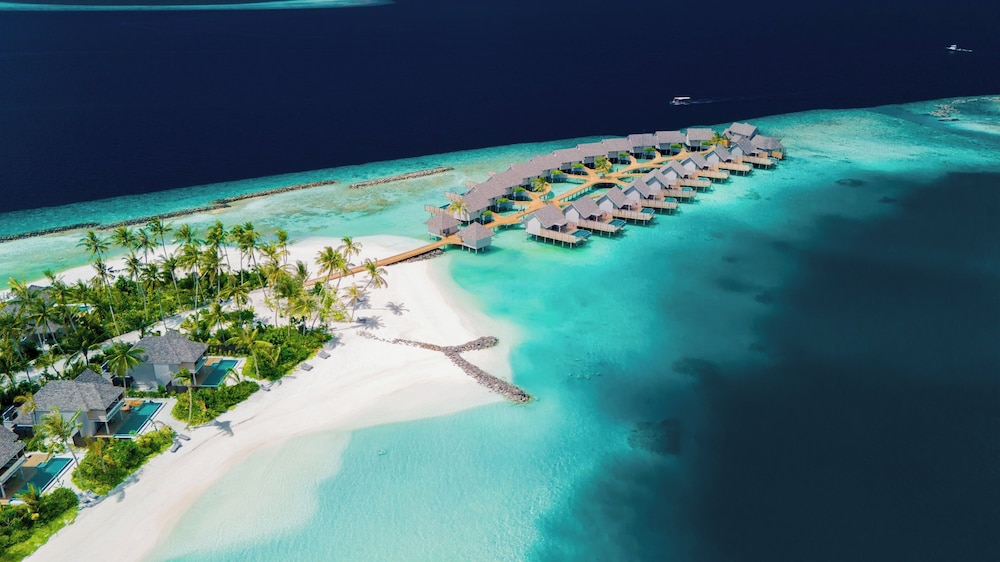
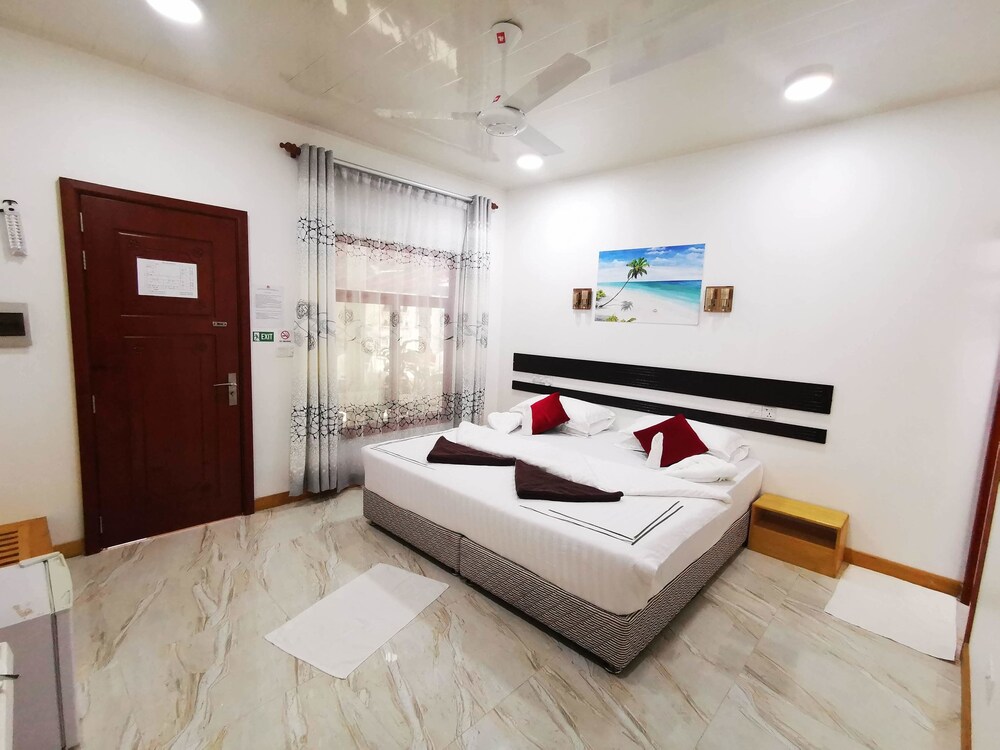
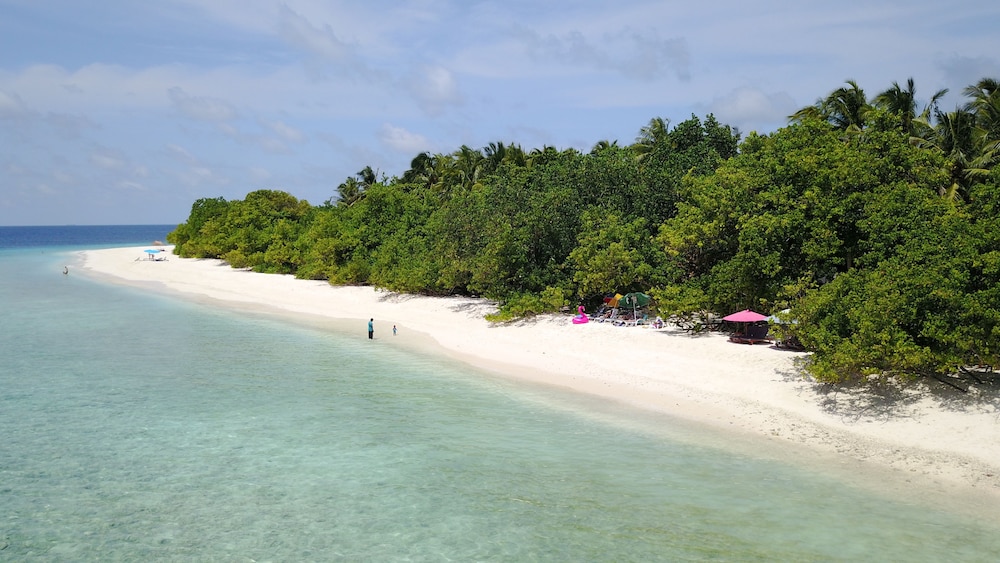
Where to stay
Hotels to consider
FAQ
Questions people ask
Is breakfast included in Maldivian guesthouses?+
Most guesthouses on local islands include a simple breakfast of mas huni, roshi and tea in the room rate. Confirm when booking, as some only offer it for an extra fee of around $3–5. Resorts usually include breakfast in half-board or full-board packages.
What time do resorts start serving breakfast?+
Larger resorts typically open breakfast at 6:30am and close around 10:30am. Smaller properties may start at 7am. If you have an early seaplane or dive, ask for a packed breakfast the night before; many city hotels in Hulhumalé offer this.
Can I find vegetarian breakfast options?+
Yes, though the local cuisine is fish-heavy. Look for roshi with coconut sambal, fresh fruit, and egg dishes. Resorts usually have vegetarian sections. On local islands, ask your guesthouse to prepare a vegetarian mas huni without tuna—it is often possible with advance notice.
What is a typical Maldivian breakfast drink?+
Black tea with milk and sugar, called sai, is standard. Coffee is increasingly common in guesthouses and city cafés. Fresh coconut water and tropical juices are available at resorts. Alcohol is not served on local islands, so do not expect mimosas.
Are there bakeries on local islands for early breakfast?+
Larger islands like Hithadhoo in Addu, Fuvahmulah, and Kulhudhuffushi in Haa Dhaalu have bakeries selling kulhi boakibaa and bajiya from around 6am. Smaller islands may only have a guesthouse kitchen. Ask your hotel for the nearest bakery.
How much does a local breakfast cost?+
On local islands, a breakfast of mas huni, roshi and tea typically costs $3–5 per person if not included in your room rate. Resort buffet breakfasts are usually bundled into the room rate; otherwise, expect $15–25 per person. Prices vary by island and season.
Can I try Maldivian breakfast without staying on a local island?+
Yes. In Malé, cafés near the fish market serve mas huni and roshi from early morning. In Hulhumalé, guesthouse restaurants along the beachfront often offer it. If you are staying at a resort, ask if they can arrange a Maldivian breakfast set one morning.


