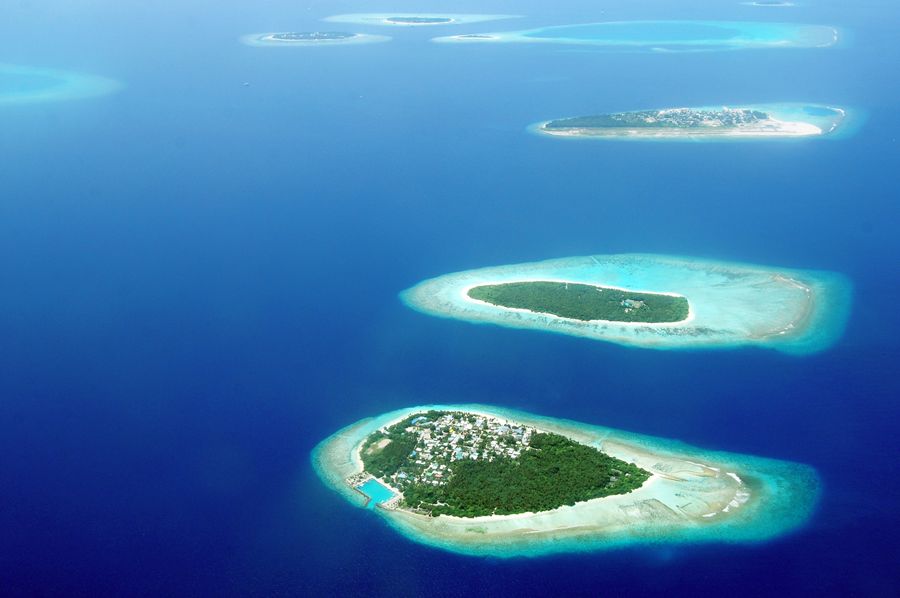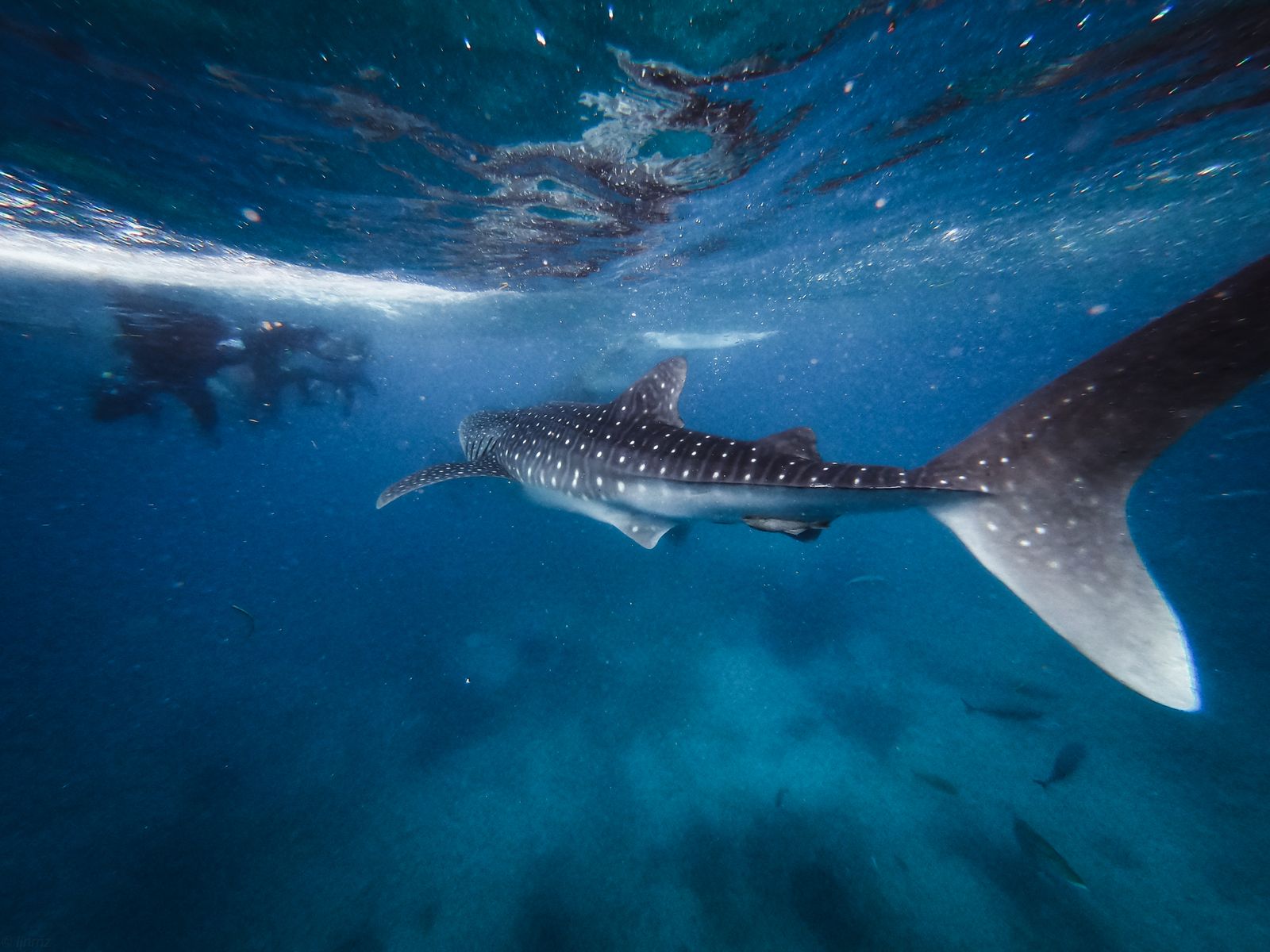
The southern rim of South Ari Atoll holds a marine protected area where whale sharks gather. Most are juveniles. They are seen through the year, but a sighting is never certain. Both snorkelling and diving encounters take place, arranged by resorts and by guesthouses on inhabited islands such as Dhigurah and Dhangethi.
01
The southern rim
South Ari Atoll runs roughly north to south, and its southern rim is a long stretch of reef, channel and drop-off. The marine protected area covers a section of this rim where whale sharks are regularly recorded. The sharks are not resident in one small bay; they move along the reef edge, and boats search a wide area to find them.
Most of the whale sharks seen here are juveniles. They feed on plankton near the surface and along the reef slope, which is why snorkellers as well as divers encounter them. The area is not a feeding station and nothing is done to attract the sharks. Sightings depend on where the animals happen to be on the day.
The protected status brings rules on how boats and people behave around the sharks. These are enforced by rangers and by the operators who work the area. The rules exist because a young whale shark that is chased or crowded will move away, and repeated disturbance can push the animals out of the area altogether.

02
Snorkelling and diving
Both snorkelling and diving encounters happen in the South Ari protected area. Which one you get depends on the operator, the conditions and where the shark is in the water. Whale sharks often cruise near the surface, which suits snorkellers. Divers may see them along the reef slope, though a dive does not guarantee a shark.
Boats run from resorts along the atoll and from guesthouses on inhabited islands such as Dhigurah and Dhangethi. Guesthouse operators usually offer shared trips, while resorts run their own. The boat ride to the search area can take time, and the captain may cover a lot of water before a shark is found.
A sighting is never guaranteed. Some days there are several sharks; on others there are none. Booking more than one trip improves your chances. Operators watch conditions and local reports, and they will tell you honestly if the odds are poor on a given day.
- Snorkelling: often the best way to see a shark near the surface.
- Diving: possible along the reef slope, but not guaranteed.
- Bases: resorts across South Ari and guesthouses on Dhigurah and Dhangethi.
- Chances: more trips give more opportunities; one trip may see nothing.
03
The code of conduct
The code of conduct in the South Ari marine protected area is built around giving the shark space. Keep a respectful distance, never touch or ride the animal, and do not block its path. If a shark approaches you, stay still and let it pass. Do not swim directly at it or try to head it off.
Flash photography is not allowed. Boats are expected to limit their numbers and their time with each shark, and swimmers are asked to stay together rather than spread out. These rules are explained in the briefing before you enter the water. Follow the guide's instructions, as conditions can change quickly.
The rules are not optional. Rangers and operators enforce them, and a boat that breaks them can be asked to leave the area. The protected status of the site depends on visitors and operators respecting the sharks. A calm, distant encounter is also a better one: a shark that is not pressured stays longer and swims more naturally.
04
What to bring
Bring a rash guard. Even in warm water, a thin layer helps with sun and with the small stings that come with plankton-rich water. Currents can run along the reef edge, so a comfortable fit matters more than fashion. A well-fitting mask is worth bringing if you have one.
Fins help you keep up without exhausting yourself, but use them calmly near the shark. A waterproof bag for a phone or camera is useful, though flash is not permitted. Apply any sunscreen before you board the boat, and pick a mineral product where you can, so less of it ends up in the water.
Take water and a hat for the boat ride, which can be long and hot. Seasickness tablets are worth considering if you are prone to it, as the boat may spend time searching in open water. A towel and a dry layer for the return journey make the trip more comfortable.
05
When to go
Whale sharks are seen in the South Ari protected area through the year, so there is no single season for them. The two monsoons change the sea conditions rather than the presence of the sharks. Iruvai, the northeast monsoon from roughly December to April, tends to bring drier, calmer weather. Hulhangu, the southwest monsoon from roughly May to November, is windier with passing showers and choppier crossings.
Calmer seas make the search more comfortable and can make it easier to spot a shark at the surface. Windier months may mean a bumpier ride and more spray, but trips still run. Air and sea stay warm all year, so the main variable is the state of the water rather than the temperature.
Because sightings are never guaranteed, the number of trips you can take matters more than the month. A stay of several nights gives you more chances to go out. Ask your resort or guesthouse how often trips run and what happens if a trip finds nothing.

06
Where to base yourself
The inhabited islands of Dhigurah and Dhangethi are the main guesthouse bases for the southern rim. Both have guesthouses, and both are close to the search area. Staying on a local island means no alcohol, and swimwear is worn only on designated beaches. Shoulders and knees are covered in the village.
Resorts along South Ari also run whale shark trips. A resort stay includes alcohol and its own transfer arrangements. Transfers to South Ari are by seaplane, roughly 25 to 40 minutes, or by speedboat, around 1.5 to 2 hours, depending on the island and conditions. Your resort or guesthouse will confirm the details.
If you are combining a local island with a resort, check how the transfer between them works. Guesthouses can arrange trips and can tell you the current ferry timetables. Book your whale shark trips early in your stay so that you have room to try again if the first outing finds nothing.
FAQ
Questions people ask
Where exactly is the South Ari whale shark marine protected area?+
It lies along the southern rim of South Ari Atoll, a stretch of reef and channel rather than a single small bay. Boats search a wide area within and around the protected zone. The sharks move along the reef edge, so the exact spot changes from day to day. Operators working from Dhigurah, Dhangethi and the resorts know the area well.
Are the whale sharks in South Ari always juveniles?+
Most of the whale sharks recorded in the South Ari area are juveniles. The reason is not fully settled, but the area appears to function as a feeding ground for young sharks. Larger adults are seen less often. This does not change how encounters are run: the same distance and no-touch rules apply to every shark.
Can I join a South Ari whale shark trip from a guesthouse on Dhigurah?+
Yes. Guesthouses on Dhigurah and Dhangethi arrange whale shark trips, usually by boat with a guide. Ask about group size, how long the trip lasts and whether snorkelling and diving are both offered. Book early in your stay so that you have another chance if the first trip finds nothing.
What should I do if a whale shark swims towards me in South Ari?+
Stay still and let the shark pass. Do not swim towards it, touch it or try to ride it. Keep your distance and do not block its path. If you are snorkelling, stay at the surface and keep your fins calm. The guide will position the group, so follow their instructions rather than moving on your own.
Is flash photography allowed on a South Ari whale shark encounter?+
No. Flash photography is not allowed in the marine protected area. The flash can disturb the shark, and the code of conduct asks visitors to avoid it. Natural light is usually enough near the surface. Check with your guide before using any camera or housing, and never chase the shark for a shot.
How many whale shark trips should I book in South Ari?+
There is no fixed number, but more trips give more chances. Sightings are never guaranteed, and some days produce nothing. Booking two or three outings across a stay is a common approach. Ask your resort or guesthouse how often they run trips and whether they will refund or rebook if no shark is found.
Do I need a wetsuit for whale shark snorkelling in South Ari?+
A full wetsuit is not usually necessary, as the water stays warm all year. A rash guard is useful for sun protection and for the small stings that can come with plankton-rich water. Some operators provide thin suits. Bring your own well-fitting mask if you have one, as fit matters more than anything else.
Can I dive with whale sharks in the South Ari protected area?+
Diving encounters do happen in the South Ari area, though many sightings are near the surface and suit snorkellers. A dive does not guarantee a shark. The same code of conduct applies: keep a respectful distance, never touch or ride, no flash, and do not block the shark's path. Your dive centre will brief you.
Are there currents on South Ari whale shark trips?+
Currents can run along the reef edge, and they can change during a trip. A rash guard and fins help you move calmly. Follow the guide's instructions on where to enter and exit the water. If you are not a confident swimmer, tell the guide before the boat leaves so that they can plan for it.