
The Maldives is 26 atolls strung over roughly 900 kilometres, and the single biggest decision is which atoll you land in. Kaafu Atoll holds Male, the airport island of Hulhumale and the resort islands closest to the capital; it is the busiest and the easiest. North and South Ari Atolls sit a 25-minute seaplane flight or a 90-minute speedboat ride away and are known for whale sharks and manta cleaning stations. Baa Atoll, a UNESCO Biosphere Reserve, is quieter still and reached by a 30 to 40-minute seaplane from Velana International.
01
Start with the atoll, not the island
Choose the atoll by transfer time and season, not by brochure photographs. If you have five nights, a two-hour transfer each way eats a day. If you have ten, the far northern atolls of Haa Alifu and Haa Dhaalu reward you with some of the emptiest sand in the country. I would book Baa for a first quiet trip: UNESCO protection limits development, the seaplane from Male is short, and Hanifaru Bay's manta season runs roughly June to November. Skip the far north if your trip is under a week.
02
Resort island or local island?
Resort islands are private, one-resort islands where the entire shoreline belongs to guests. Local islands are inhabited fishing villages where guesthouses have opened since 2009, and tourism is subject to local rules: modest dress on public beaches, no alcohol outside licensed tourist facilities, and separate or screened swimming areas on some islands. Dhigurah in South Ari Atoll and Fulidhoo in Vaavu Atoll are established local-island choices with guesthouses, dive shops and long sandbars; Maafushi in Kaafu is the busiest and closest to Male by public ferry.
For quiet, a resort island is the more reliable bet, because occupancy is capped by bed count and the beach is shared among few people. Local islands can be superb value and genuinely peaceful, but you share the harbour with fishing boats and the call to prayer carries across the village. On a budget of roughly USD 80 to 200 a night, a local-island guesthouse plus a few dive days is excellent. Above USD 400 a night I would book a resort every time, and choose one on a large island so there is somewhere to walk beyond your villa.
03
Read the island's shape and size
Island size determines whether you are bored or crowded. Many resort islands are walkable in 15 minutes, which is fine for a four-night stay and claustrophobic after ten. Look for the island's length in metres, whether it has a house reef reachable from the beach, and whether the beach is continuous or broken by groynes and sea walls. Erosion is real in the Maldives, and some islands have hard defences on one side. Satellite imagery in Google Maps is your friend: a narrow ring of sand around a dense palm centre usually means a small island.
Orientation matters too. An island running north to south gives you a sunset beach on one side and a sunrise beach on the other, and the resort will usually place its main restaurant at one end. If you want to walk to dinner barefoot along the sand, ask which side your room faces. The best-value rooms are often on the sunrise side; the premium overwater villas face the lagoon. I would take a beach villa on a larger island over an overwater villa on a tiny one, and spend the difference on diving.
04
Season, currents and what to skip
The dry north-east monsoon runs roughly December to April, bringing calmer seas, clearer water and higher rates. The wet south-west monsoon from May to November brings rain squalls, choppier crossings and lower prices, but also plankton blooms that draw mantas and whale sharks to Hanifaru Bay and South Ari. Rates in August and September are often notably lower than in February, and the rain rarely lasts all day. Seaplane transfers can be delayed by weather in the wet season, so leave a buffer night near Male before your international flight.
Skip the day-trip resort passes from Male if quiet is the goal; they deliver crowds to a beach you hoped would be empty. Skip the cheapest speedboat transfer from Male to a distant atoll, because two hours in chop is not a good start. Book the resort's own transfer, confirm which airport counter handles it, and keep your international flight at least three hours after your seaplane is scheduled to land. For the calmest water and easiest crossings, February and March are the months I would book.
Where to stay
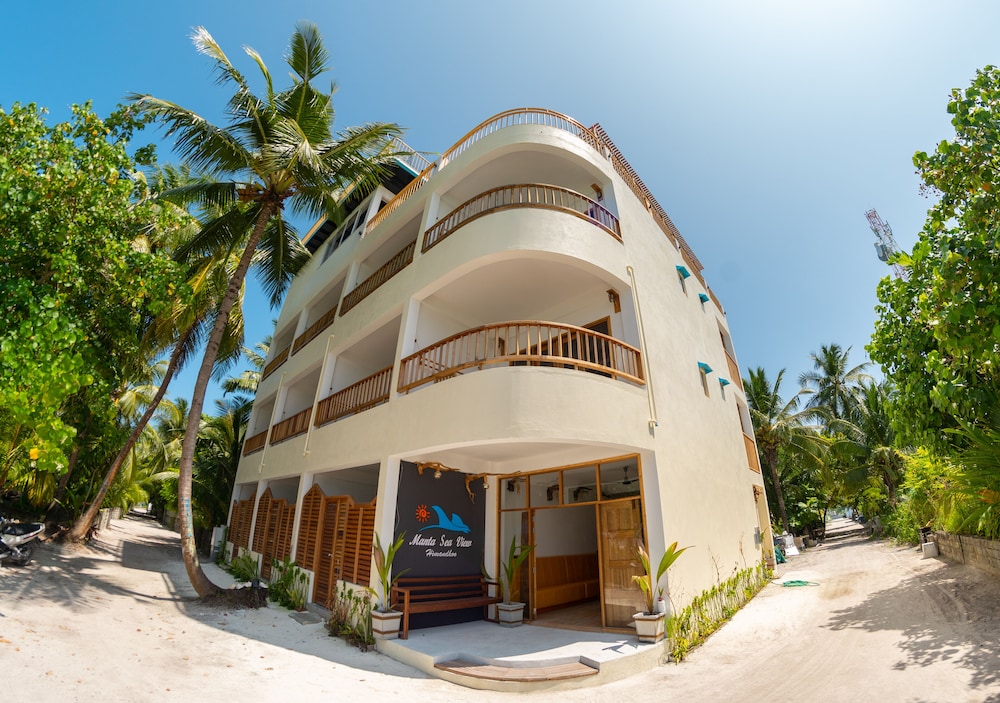
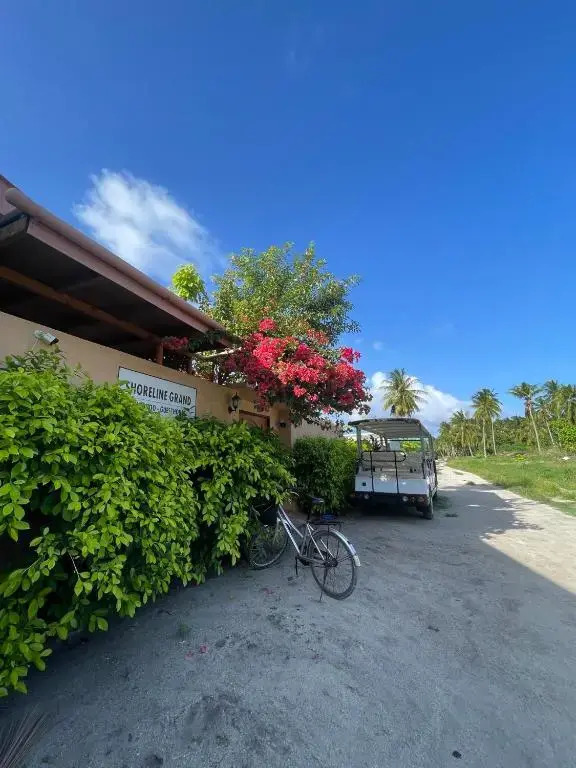
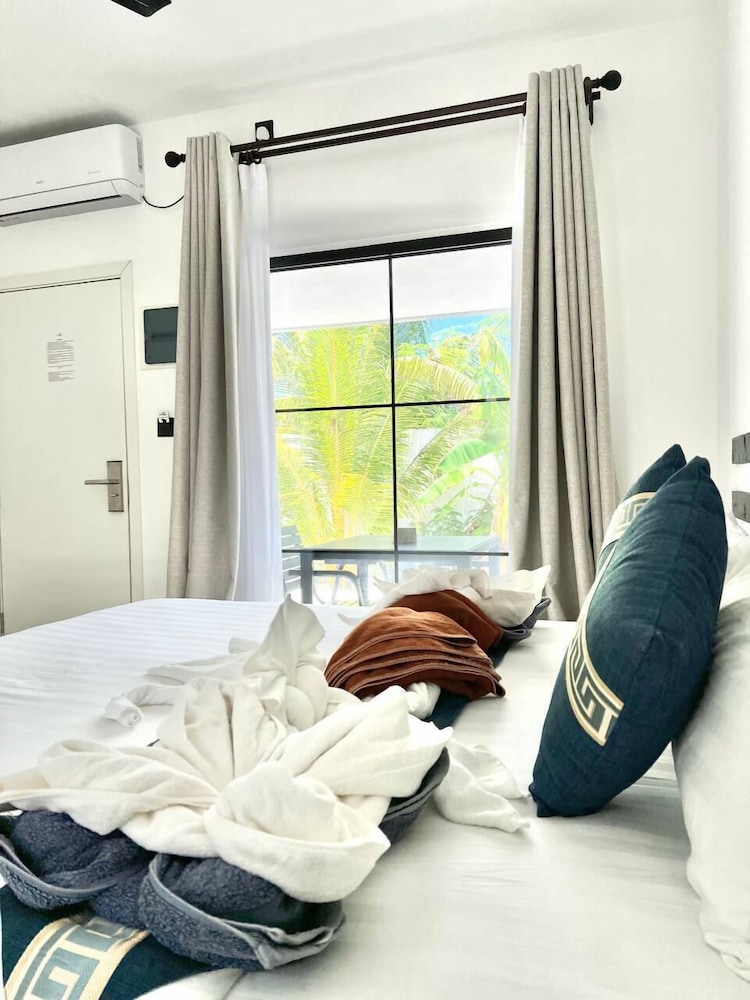
Hotels to consider
Where to stay
Hotels to consider
FAQ
Questions people ask
Which atoll is best for a quiet beach in the Maldives?+
Baa Atoll, a UNESCO Biosphere Reserve, is the strongest choice: limited development, short seaplane from Male, and manta season roughly June to November. Vaavu and the northern Haa atolls are quieter still but need longer transfers.
Are local islands quiet enough for a peaceful holiday?+
Often yes, but not resort-quiet. Dhigurah and Fulidhoo have long beaches and small guesthouses, yet you share the island with a fishing village, and modest dress applies on public beaches. Expect genuine calm and much lower rates than a resort.
How long is the transfer from Male airport?+
Speedboat transfers to Kaafu resorts take 15 to 90 minutes. South Ari is about 90 minutes by speedboat or 25 minutes by seaplane. Baa is 30 to 40 minutes by seaplane. Northern atolls can take over two hours, so check before booking a short trip.
When is the best time for calm seas?+
December to April, the north-east monsoon, brings the calmest water and clearest visibility. February and March are the driest. May to November is wetter and cheaper, with more mantas and whale sharks but choppier crossings and possible seaplane delays.
How much should I expect to pay per night?+
Local-island guesthouses commonly run about USD 80 to 200 a night. Resort beach villas typically start around USD 400 and rise steeply for overwater. Rates drop in the wet season, especially August and September, so compare the same island across months.
Should I book an overwater villa or a beach villa?+
On a small island, a beach villa on a larger island gives you more space to walk and better value. Overwater villas suit short stays and swimmers. If quiet matters more than the photograph, take the beach villa and put the saving into diving.
Do I need a seaplane buffer before flying home?+
Yes. Seaplanes only fly in daylight and can be delayed by weather. Keep at least three hours between your scheduled seaplane landing and your international departure, and consider a night near Hulhumale at the end of the trip in the wet season.
What should I skip?+
Skip day-trip resort passes from Male if you want empty sand, and skip the cheapest long speedboat crossing to a distant atoll. Also skip tiny islands for stays over a week, since there is little to walk beyond the beach.


