
Dhivehi is the national language of the Maldives, written in the Thaana script and spoken across roughly 190 inhabited islands, from Malé to Addu Atoll. English is widely used in resorts and at Velana International Airport, so you will never be stuck. But on local islands such as Dhigurah, Fulidhoo or Thoddoo, and in Malé's markets and cafés, a greeting in Dhivehi changes the tone of an exchange quickly. You do not need grammar; five words repeated well are worth more than a downloaded phrasebook you never open.
01
Why a few words go a long way
Pronunciation matters more than vocabulary. Dhivehi words are generally spoken with even stress and short, clean vowels. 'Assalaamu alaikum' is the standard greeting throughout the country and the correct reply is 'wa alaikum assalaam'. Learn that pair before you land and you have covered most first encounters: guesthouse reception, a dhoni captain, the person at the corner shop in Malé's Machchangolhi district. Everything else below builds on it.
02
The words you will use every day
'Kihineh?' means how are you, and 'vakivakaneh' is a warm thank you; 'adhes' works as a simpler thanks and is easier to remember under pressure. 'Aa' is yes and 'noo' is no. 'Maaf kureh' is the all-purpose sorry or excuse me, useful when squeezing past a fruit stall in Malé's Medhu Ziyaaraiy Magu or stepping into a crowded public ferry. 'Fahana' means please, though it is used less than in English. Keep them in a notes app rather than trusting memory after a seaplane transfer.
Numbers help when buying from a market or settling a small fare. 'Ekeh' is one, 'deh' two, 'thineh' three, 'hathareh' four, 'fasheh' five. You will mostly see prices written in rufiyaa and quoted in US dollars in resort areas. Note that the rufiyaa is not freely exportable, so change only what you will spend, and keep small notes for island cafés and ferry tickets where cards are not always practical. Ask 'kihaa?' — how much — and hold up fingers if needed.
03
Islands, boats and getting around
Public ferries and speedboats connect Malé with islands in Kaafu, Vaavu and Alifu Dhaalu atolls, and the local term for many of these services is 'dhoni' for the traditional boat. Saying 'dhoni' rather than boat earns a smile from captains at the Villingili ferry terminal. For directions, 'koba' means where, so 'koba?' with a place name gets you pointed the right way. 'Ithuru' is left and 'kanan' is right, which is more useful than it sounds when you step off a speedboat onto an unfamiliar jetty.
Timing is the thing to plan around. The dry northeast monsoon, roughly December to April, brings calmer crossings and clearer water; the wet southwest monsoon from May to November delivers shorter, heavier showers and cheaper guesthouse rates on local islands. Cross-atoll speedboat transfers can run from 45 minutes to over two hours depending on the route, and schedules thin on Fridays. Build slack into any same-day connection to a flight at Velana International, and never assume the last boat of the day will wait.
04
Where to base yourself, and what to skip
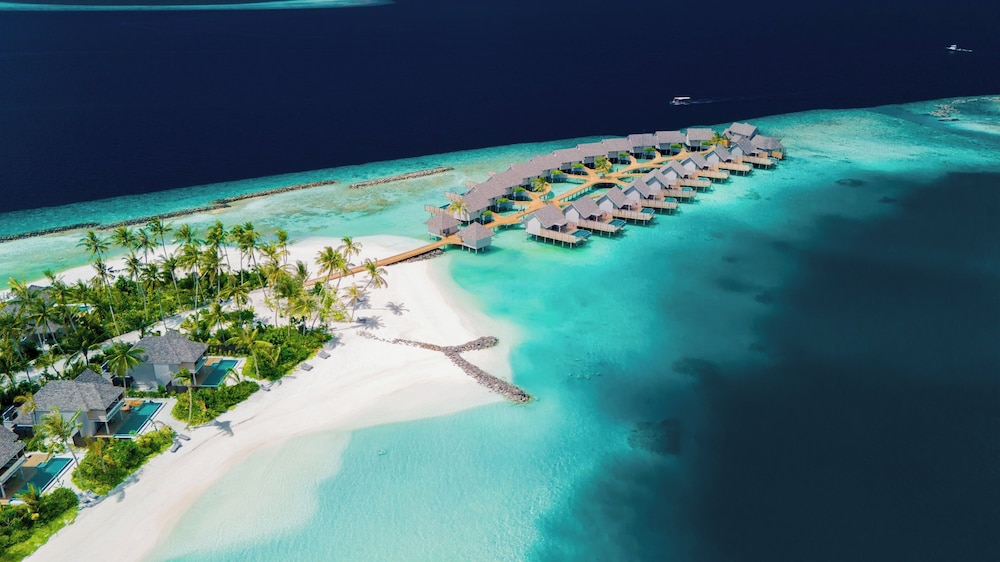
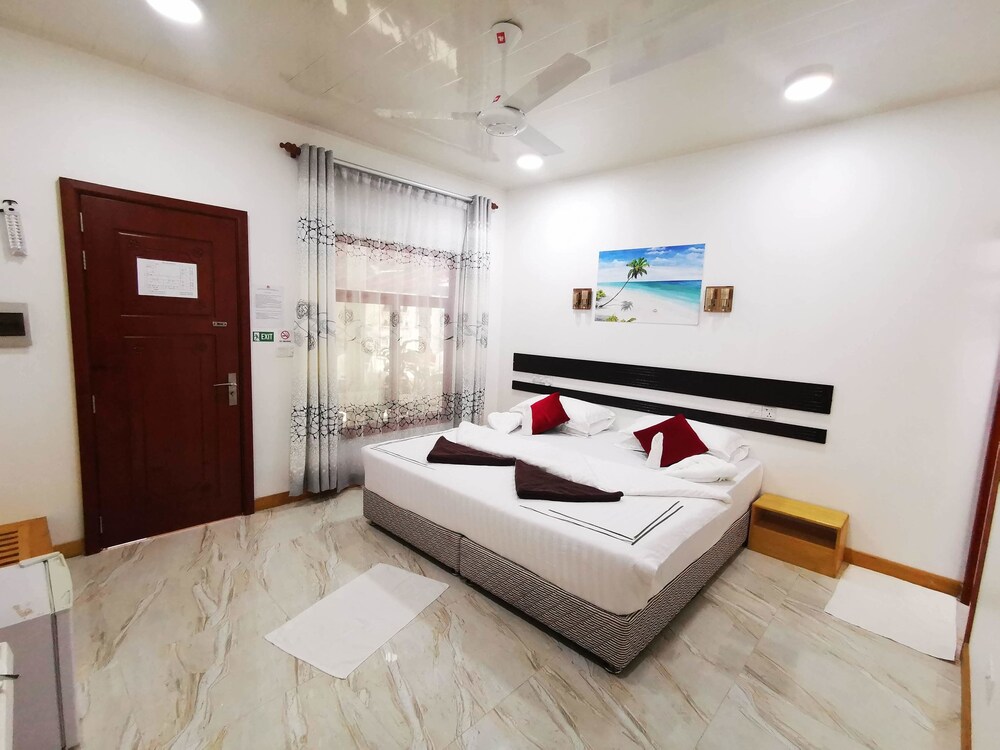
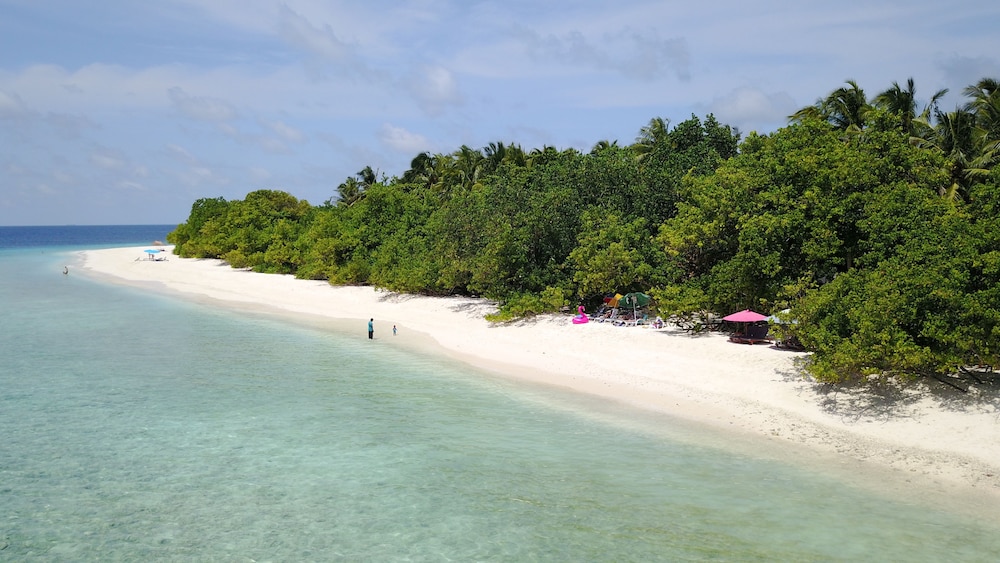
For a first trip, split the stay. Two or three nights in Malé or Hulhumalé lets you see the fish market, the old Friday Mosque and the National Museum without transfer stress; Hulhumalé is a 15-minute drive from the airport and has a good spread of mid-range hotels. Then move to a local island for guesthouse value or a resort island for ease. For local-island stays, Dhigurah in Alifu Dhaalu is a strong pick for whale-shark snorkelling, while Fulidhoo in Vaavu is quieter and closer to Malé by speedboat.
What I would skip: overnights in Malé on both ends of a trip, since Hulhumalé is more relaxed and closer to the airport; and the temptation to island-hop across three atolls in a week, because transfer time eats the holiday. If your priority is snorkelling and beach time, one local island plus one resort is plenty. Book the resort or guesthouse with a transfer included where possible, and confirm whether the quoted speedboat is per person or per boat before you commit.
Where to stay
Hotels to consider
Where to stay
Hotels to consider
FAQ
Questions people ask
Do I need to speak Dhivehi in the Maldives?+
No. English is widely spoken in resorts, at Velana International Airport and on most local islands with guesthouses. A handful of Dhivehi greetings and thanks are appreciated rather than required, and are most useful in Malé, on public ferries and in island shops.
What is the best way to say hello and thank you?+
Use 'assalaamu alaikum' as a greeting and reply 'wa alaikum assalaam' if greeted first. For thanks, 'vakivakaneh' is warm and formal; 'adhes' is shorter and easier to recall. Both are understood everywhere, including on local islands.
When is the best time to visit the Maldives?+
December to April is the dry northeast monsoon, with calmer seas and clearer visibility for diving. May to November is wetter, with brief heavy showers, but guesthouse rates on local islands are lower and the surfing on the Malé atolls is better.
How do I get from Malé airport to my hotel?+
Velana International sits on Hulhulé, a short ferry or 15-minute drive from Hulhumalé and Malé. Resorts arrange speedboat or seaplane transfers, often priced per person. Local islands are served by public ferries and scheduled speedboats, with fewer services on Fridays.
Is a local island or a resort better for a first trip?+
Resorts suit travellers who want everything arranged and no transfer planning. Local islands such as Dhigurah or Fulidhoo suit travellers comfortable booking their own speedboat and eating at independent cafés, and cost considerably less per night for comparable beach access.
Can I use cards on local islands?+
Larger guesthouses and cafés in Hulhumalé and Malé take cards, but smaller island businesses often prefer cash in rufiyaa. Keep small notes for ferry tickets and cafés, and change money in Malé rather than relying on island exchanges.
Which atolls are easiest for a short trip?+
Kaafu, Vaavu and Alifu Dhaalu are closest to Malé and reachable by speedboat within about 45 minutes to two hours. That makes them practical for a five- to seven-night stay without losing days to domestic flights or long crossings.


