
For young children, the best Maldivian islands have shallow, calm lagoons and plenty of natural shade. Look at Maafushi in South Male Atoll: its public beach (Bikini Beach) has a roped-off swimming area and trees near the shore. Gulhi, a 20-minute speedboat ride from Male, is quieter and has a sandy beach with shade from palms. On local islands, remember that bikini beaches are designated areas; elsewhere, dress modestly. Resort islands like Bandos and Kurumba (10–20 minutes by speedboat from Male) are pricier but offer shaded kids' clubs and shallow entry. For a balance of cost and convenience, I would book a guesthouse on Maafushi or Dhigurah (South Ari Atoll) and use shaded public beaches.
01
Choosing the right island for little ones
Travel between islands usually means speedboat or domestic flight. Speedboats from Male to Maafushi take 30 minutes and cost around $20–30 per person each way; children under 2 often travel free. Domestic flights to places like Gan (Addu Atoll) take about 1.5 hours and are more expensive. If you have very young children, minimise transfers: choose one island and stay put. The Maldives' heat is constant, so plan beach time for early morning (7–10am) and late afternoon (4–6pm), when the sun is less fierce and shade is easier to find.
02
Beaches with natural shade and calm water
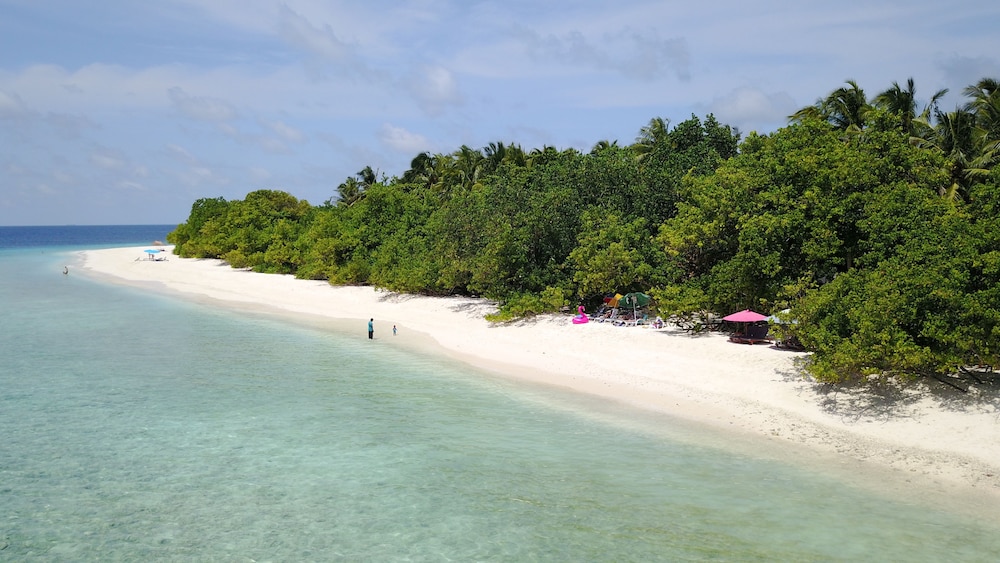
On Maafushi, Bikini Beach has a line of palms and casuarina trees providing shade right at the water's edge. The lagoon is shallow for several metres out, making it safe for paddling. For more seclusion, take a 10-minute walk to the island's northern tip, where you'll find fewer people and more trees. Dhigurah's long sandbank (stretching 3km) has little natural shade, so bring a pop-up tent; the island's harbour side has more trees but less beach. Resort islands typically have thatched umbrellas and palm groves; Bandos, for example, has a shaded children's pool and a calm lagoon on the sunset side. I would skip crowded Artificial Beach in Male for swimming; it's fine for a stroll but not for kids' play.
Water conditions vary by season. The dry northeast monsoon (January–April) brings calmer seas and clearer water, ideal for young swimmers. The wet southwest monsoon (May–November) can bring choppier water and more rain, though showers are often short. Tides matter: at low tide, some lagoons become too shallow for swimming, while at high tide, the drop-off can be sudden. Check tide tables (available at guesthouses) and always supervise children closely. Reef shoes are useful for protecting feet from coral rubble on some beaches.
03
Practicalities: sun, sand and supplies
Sun protection is critical. The Maldivian sun is strong year-round; use high-factor sunscreen, rash guards and wide-brimmed hats. Many local islands have small shops selling basics, but specialist items like nappies (diapers) and formula can be limited. Maafushi has a few stores with imported brands, but selection is basic. Bring enough supplies for your stay, or plan a trip to Male's STO supermarket before heading to your island. Guesthouses often provide cots and high chairs on request; confirm when booking. For dining, local cafes serve rice, curry and grilled fish; picky eaters may prefer resort buffets, which offer more familiar options.
Health facilities are limited on local islands. Maafushi has a health centre, but serious issues require transfer to Male's ADK Hospital. Travel insurance that covers medical evacuation is essential. Mosquito repellent is recommended, especially in the evenings; dengue is present in the Maldives, so take precautions. Tap water is not drinkable; bottled water is widely available. For entertainment, bring beach toys, inflatables and snorkel gear for older children. Many guesthouses offer snorkelling trips to nearby reefs; ensure life jackets are provided and sized for children.
04
Where to stay and what to book
For families, I would book a guesthouse on Maafushi with a shaded garden or pool, such as those on the eastern side near Bikini Beach. Prices for family rooms range from $80 to $150 per night, depending on season. Resort islands like Kurumba (15 minutes from Male) offer kids' clubs, babysitting and shaded pools, but rates start around $300 per night. If you prefer a quieter local experience, Dhigurah's guesthouses (from $70) are a 20-minute speedboat ride from Male and have access to a long, quiet beach. Avoid islands with no shade and limited facilities, such as Thinadhoo in Vaavu Atoll, unless you are prepared to bring everything.
Book accommodation that explicitly caters to families: ask about cots, high chairs and shaded play areas. Check cancellation policies, as weather can disrupt travel plans. For transport, book speedboat transfers in advance through your guesthouse; shared boats are cheaper but may be crowded. Pack light: essentials like nappies and formula can be bought in Male, but not always on smaller islands. Finally, respect local customs: on local islands, swimwear is only for designated bikini beaches; elsewhere, cover up. This helps your children learn to respect local culture.
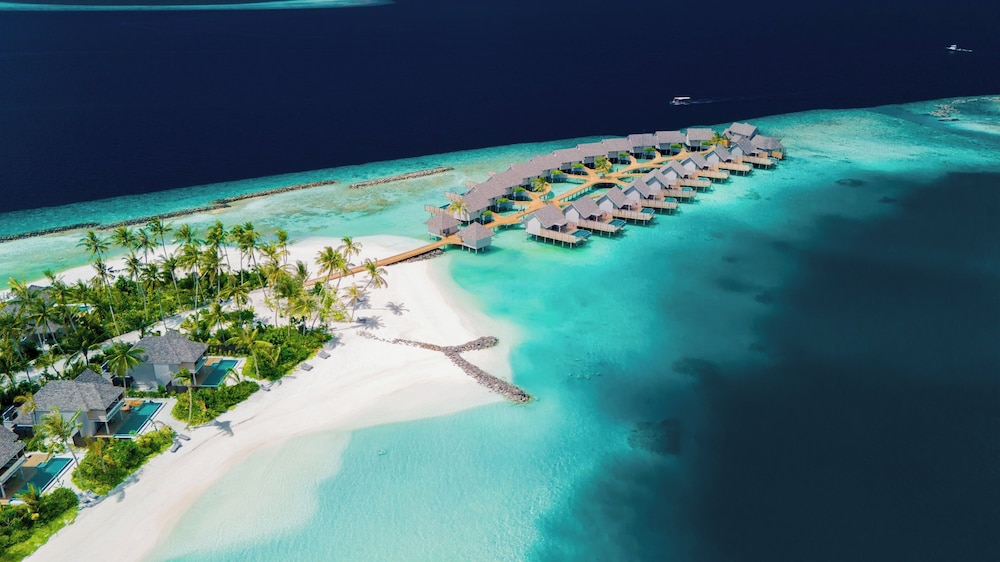
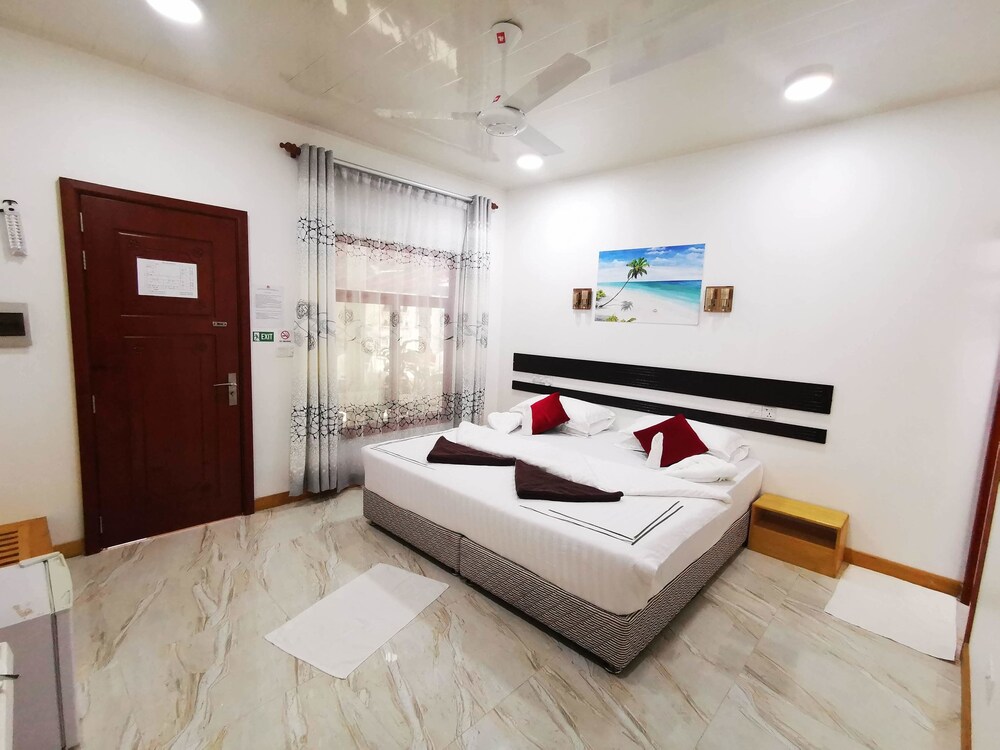
Where to stay
Hotels to consider
Where to stay
Hotels to consider
FAQ
Questions people ask
Which Maldives island is best for toddlers?+
Maafushi and Gulhi in South Male Atoll are good choices: they have shallow lagoons, shaded beaches and guesthouses used to families. Resort islands like Bandos offer more facilities but at higher cost. Choose based on your budget and need for shade.
Are there beaches with natural shade?+
Yes, many local islands have palm trees near the beach. Maafushi's Bikini Beach has trees at the edge of the sand. Resort islands often have thatched umbrellas. However, some sandbanks, like Dhigurah's, have little shade, so bring a portable tent.
What is the best time to visit with young children?+
The dry northeast monsoon (January–April) offers calmer seas and clearer water, ideal for swimming. The wet season (May–November) has more rain and choppier water, but showers are usually short. Avoid the hottest part of the day by planning beach time for early morning and late afternoon.
How do we get around with kids?+
Speedboats are the main transfer between islands; journeys from Male to Maafushi take about 30 minutes. For longer distances, domestic flights operate to places like Gan. Book transfers through your guesthouse in advance. Children under 2 often travel free on speedboats.
What should we pack for a Maldives trip with children?+
Bring high-factor sunscreen, rash guards, hats, reef shoes, and enough nappies and formula for your stay. Mosquito repellent is essential. Beach toys and snorkel gear for older kids are useful. Medical facilities are limited on local islands, so pack a basic first-aid kit.
Is the water safe for young children?+
The lagoons are generally calm, but always supervise children and check tides. At low tide, some areas become too shallow; at high tide, the drop-off can be sudden. Reef shoes protect against coral. Ensure life jackets are available for boat trips.
Can we find family-friendly food?+
Local cafes serve rice, curry and grilled fish, which may be flavoursome for children. Resort buffets have more familiar options. On Maafushi, there are a few restaurants with varied menus. Picky eaters might prefer resort islands, but self-catering is limited.
What cultural etiquette should families know?+
On local islands, swimwear is only allowed on designated bikini beaches; elsewhere, cover shoulders and knees. Public displays of affection are frowned upon. Alcohol is not available on local islands. Respecting these rules helps your children learn about local culture.


