
Most inhabited islands keep a small market area near the harbour or the main jetty, and the pattern is similar across the country: a fish section that comes alive in the early morning, a produce section with chillies, onions, limes and breadfruit brought in from the outer atolls, and a few stalls selling dried fish, coconut oil and sweets. On Maafushi the stalls cluster along the harbour road within a five-minute walk of the guesthouse strip; on Dhigurah, in South Ari Atoll, the action is around the boat jetty on the western side of the island.
01
Where the markets are and how you reach them
Reaching these islands is straightforward. Maafushi runs on scheduled public ferries from Male, roughly 90 minutes, plus a faster private speedboat option of about 30 minutes. Hulhumale is connected to the airport by bus and bridge, so its market streets are the easiest to visit on a layover. Dhigurah is served by speedboat from Male in around two hours depending on the operator. Resort islands by definition have no public market, so plan a day trip if you want to see one.
02
What you will actually see and buy
Expect fish, not souvenirs. Yellowfin tuna arrives in the early hours and is sold whole or in cuts; reef fish, octopus and jobfish appear alongside it. Prices vary by season and catch, so watch what local buyers pay rather than quoting a figure in advance. Produce is modest: Maldives imports most fruit, so the vegetables and fruit on sale are often from Sri Lanka or India, while the genuinely local items are things like breadfruit, taro, sweet potato and drumstick leaves. Dried tuna strips and rihaakuru, a thick tuna paste, are the best-value edible souvenirs.
Cash is the practical currency. Rufiyaa is used by islanders, and small notes make transactions easier; some stalls near guesthouse areas accept US dollars but at an unhelpful rate. Go early, from around six to nine in the morning, when the fish is fresh and the light is good for photographs. Ask before photographing people, and dress as you would in a village: shoulders and knees covered on inhabited islands is the local norm, not a tourist rule. The dry northeast monsoon, roughly December to April, gives calmer seas and the most reliable ferry and speedboat schedules.
03
Etiquette, timing and choosing an island
Inhabited islands are conservative by regional standards and markets sit inside ordinary working neighbourhoods. Public beaches on these islands require modest swimwear, alcohol is not sold, and the call to prayer structures the rhythm of the day — the market will be quiet during Friday prayers. Two or three stalls will simply be closed on Friday morning. Bring a reusable bag, keep your distance from the fish cleaning area unless invited closer, and buy something small even if you are only looking; a lime or a packet of dried fish costs very little and keeps the exchange friendly.
For a first visit I would book Maafushi over the alternatives. It has the highest concentration of guesthouses, the most frequent ferry connection to Male, and the market is within walking distance of the rooms rather than a taxi ride away. Hulhumale suits travellers with a long layover or an early departure — the public beach, the market streets and the airport are all close together. Dhigurah is better for whale-shark season and a quieter village feel, but the crossing is longer and schedules across the atolls reward flexibility more than fixed plans. Skip resort-internal shops; they are not markets.
04
Markets as part of a wider island stay
A market visit works best as a two-hour start to a day rather than a destination in itself. On Maafushi, follow the fish stalls with a walk along the bikini beach at the northern end and an afternoon snorkelling trip to one of the nearby reefs; most guesthouses arrange boat trips and will tell you which days the market is fullest. On Dhigurah, the same morning market feeds into the long sandbank walk on the southern tip. Guesthouse rates on these islands are widely presented per night with breakfast, and the spread between low and high season is significant.
Where to stay
Hotels in North Ari Atoll
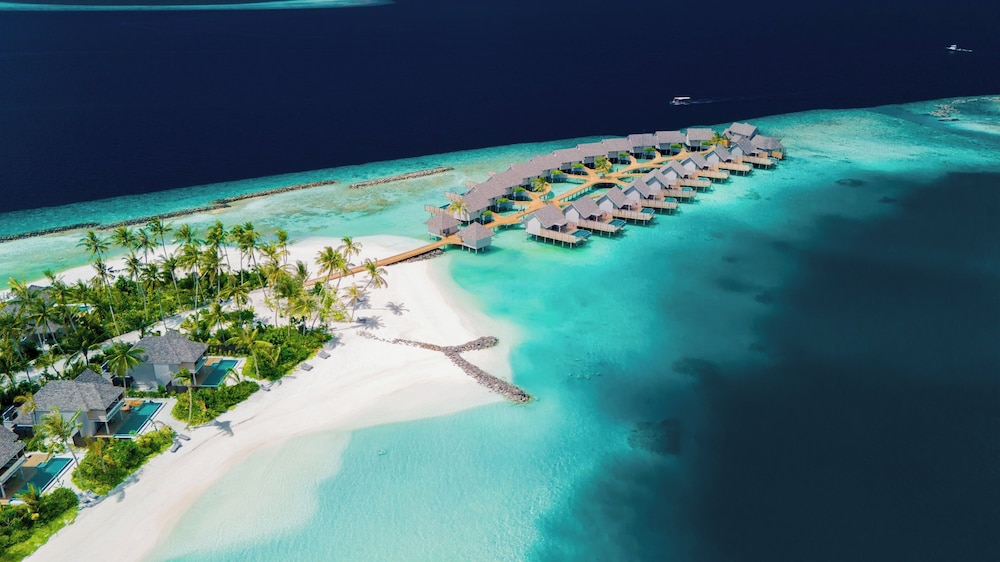
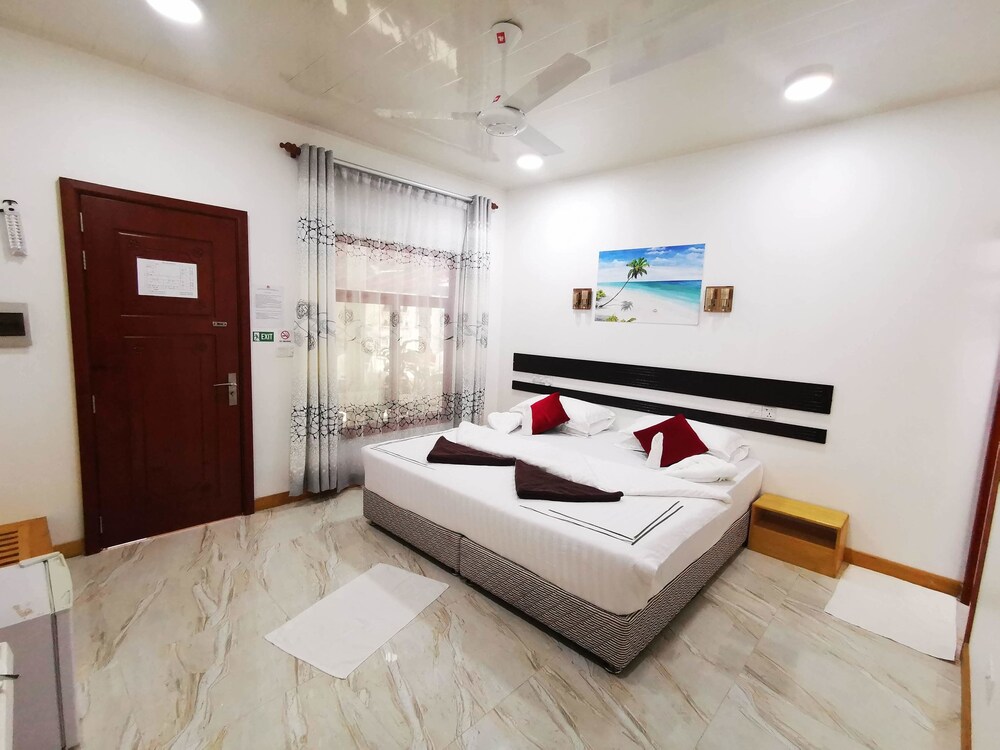
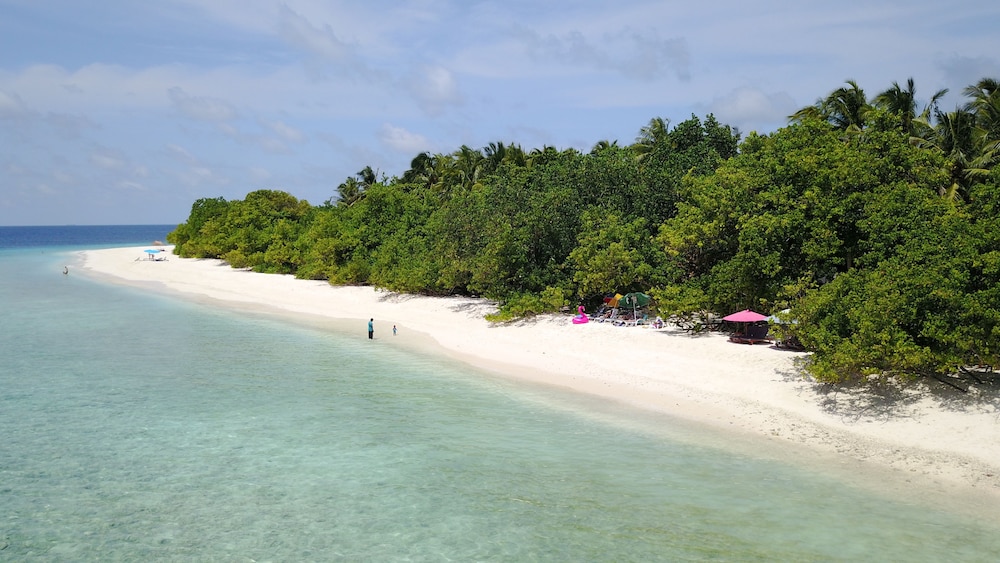
Where to stay
Hotels to consider
FAQ
Questions people ask
Which Maldives island has the best local market for tourists?+
Maafushi is the easiest: the harbour-side stalls are a short walk from most guesthouses and public ferries from Male take about 90 minutes. Hulhumale is the most convenient for a layover, with market streets close to both the airport and the public beach.
What day of the week should I avoid if I want to see the market busy?+
Friday mornings are quiet. Inhabited islands observe Friday prayers, and several stalls stay closed. Saturday to Thursday mornings, ideally between six and nine, is when fish and produce are freshest and most traders are active.
Do the markets accept cards or only cash?+
Assume cash. Rufiyaa is the everyday currency and small notes are the most useful. A few stalls near guesthouse areas may take US dollars, but at a poor rate. There are usually ATMs on Maafushi and Hulhumale, though not on every inhabited island.
What food souvenirs are worth buying at an island market?+
Dried tuna strips and rihaakuru, a thick tuna paste, are the genuinely local buys and travel reasonably well. Coconut oil, chilli and locally grown breadfruit or taro appear when in season. Fresh whole fish is excellent but not practical to carry home.
How do I dress when visiting a local island market?+
Cover shoulders and knees; this applies to men as well as women on inhabited islands. Swimwear belongs only on designated bikini beaches. Loose cotton clothing is comfortable in the heat and humidity and is what islanders themselves wear to the market.
Can I visit a local island market while staying at a resort?+
Yes, many resorts run excursions to nearby inhabited islands, and some arrange independent trips from the airport on the day of arrival or departure. Check whether the timing coincides with market hours, since afternoon excursions often arrive after the fish trade is over.
When is the best month to combine market visits with boat travel?+
December to April, the northeast monsoon, brings calmer seas and more reliable ferry and speedboat schedules between Male and the inhabited islands. The wetter southwest monsoon months can still be rewarding, but build in extra slack for delays.
What is the difference between a local island market and a fish market in Male?+
Male's fish market, near the northern harbour, is larger and busier, with auction activity and a wider catch. Island markets are smaller village-scale affairs, often just a row of stalls, but they are quieter and easier to observe at a comfortable distance.


