
The northeast monsoon, iruvai in Dhivehi, runs roughly December through April and reverses the current pattern that most divers learn in the Maldives. During the southwest monsoon, hulhangu, the sheltered sides of the atolls are eastern; in iruvai they flip to western. On North and South Male, that means the reefs facing the outer west rim — around Maafushi's Kandooma corner and the Guraidhoo channel — settle into calmer, clearer water, while sites on the eastern rim such as the Vaavu-side kandus pick up swell and short chop, often dropping visibility from around 30 metres to 15 or less for a week at a time.
01
What Iruvai actually does to the water
Practical effect on a seven-day trip: plan your western-reef days early in the itinerary and hold the eastern channel dives as flex. Liveaboards running the classic Male–Ari route usually reposition west in January and stay there through April, which is why Ari Atoll's Maaya Thila and the Fish Head reef get busy with day boats out of Rasdhoo and Dhangethi. Land-based divers based on Maafushi, Fulidhoo or Dhigurah can reach much of the same water by dhoni in 20 to 50 minutes, and guesthouses there cost a fraction of resort rates — a realistic band for a decent Maafushi guesthouse is well under resort pricing, and Fulidhoo is cheaper again.
02
Manta and whale shark timing, atoll by atoll
Hanifaru Bay in Baa Atoll is the headline, but the plankton bloom that draws hundreds of reef mantas there is a southwest-monsoon phenomenon, peaking roughly June to October. In iruvai the bay is quiet and the rangers' permit system scales back; sightings shift to cleaning stations on the outside reef, and you will share the water with far fewer boats. If mantas are the reason for the trip, book Baa for July to October, not February. Conversely, South Ari Atoll's whale shark zone near Dhigurah and Maamigili is a year-round marine protected area, and the northeast monsoon's calmer western water makes the boat ride out from Dhigurah's harbour noticeably gentler.
What I would skip in iruvai: the far southern atolls around Addu and Fuvahmulah. The crossing from Male is over 500 kilometres and the seasonal Equatorial current can make the Fuvahmulah thila dives — Tiger Zoo among them — unpredictable, with the island's own dive operators often calling off morning boats for surge. Fly rather than take a liveaboard south if you go. For most first-timers I would book a guesthouse week split between Maafushi for the western Male channels and Dhigurah for whale sharks, then add a two- or three-night resort stay on an uninhabited island if budget allows.
03
Visibility, temperature and what to pack
Water temperature holds near 28 to 30 degrees Celsius all year, so a 3mm shorty is enough for repeated two-tank days and most divers will not need a hood. Visibility is the monsoon's real differentiator: on the sheltered western reefs of North Male and Ari, iruvai regularly gives 25 to 35 metres, while eastern sites during a windy spell can fall to 10 to 15. Surface conditions follow the same logic — the boat ride to a western site is usually dry, the ride east is not. Wind in January and February can still reach 15 to 20 knots for a few days at a time, so build one rest day into a week and use it for a Male city walk to the Old Friday Mosque or the fish market rather than losing a dive to the weather.
Pack reef-safe sunscreen, a 3mm suit, a lightweight windproof for the return dhoni ride and your own mask; rental gear at guesthouse dive centres on Maafushi and Fulidhoo is functional but stock in small sizes runs out in high season, which is roughly late December to early April when European and Chinese school holidays overlap. Book dive courses — Open Water, Advanced — before you arrive if you want the certification finished inside a week, and confirm in writing that your chosen centre runs twice-daily western trips rather than a fixed eastern schedule. Seaplane transfers from Male airport to Baa or Ari stop after about 4pm, so a late arrival means an overnight in Hulhumale.
04
Choosing where to base yourself
For a diving-first trip in the northeast monsoon, my booking order is: Dhigurah guesthouse for whale sharks and South Ari western reefs, then Maafushi for the North Male channels and easy ferry access to the airport, then a resort island only if someone in the group does not dive. The public speedboat from Male's Villimale terminal to Maafushi takes around 30 minutes and runs most days; Dhigurah is about 1 hour 45 by speedboat from Male or a short hop by domestic flight to Maamigili. Both have small dive shops, mostly local-run, with equipment storage and nitrox on request at some.
Hulhumale is the practical overnight if your flight lands after dark or leaves before dawn, but there is no reason to spend a diving week there. Avoid committing to a single eastern-rim resort in January or February unless the dive centre confirms it runs boats to the western side; the crossing eats an hour each way and some operators will not make it in a strong wind. If you are weighing two islands at similar cost, pick the one whose dive centre answers questions about monsoon schedules specifically — that reply tells you more than any brochure photograph.
Where to stay
Hotels to consider
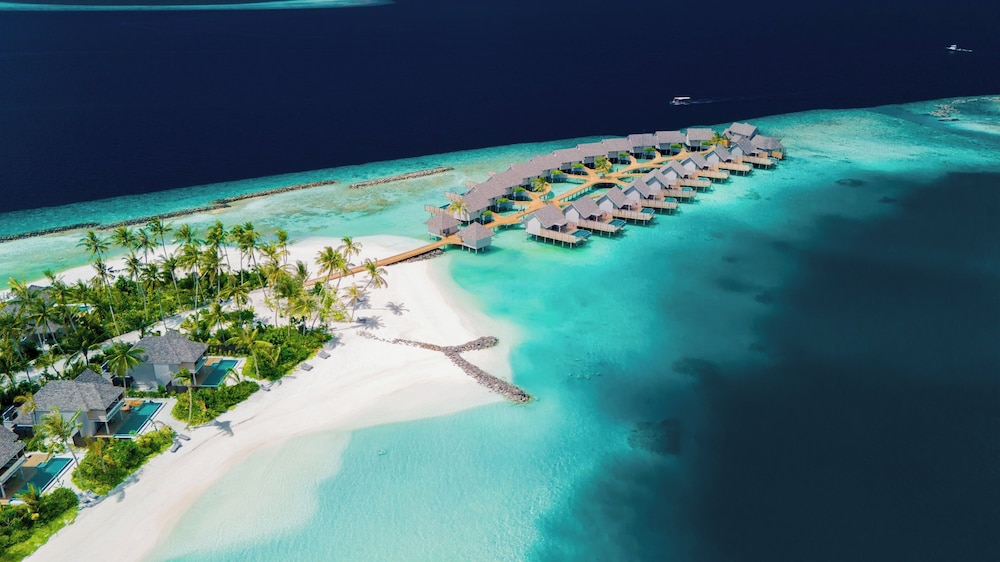
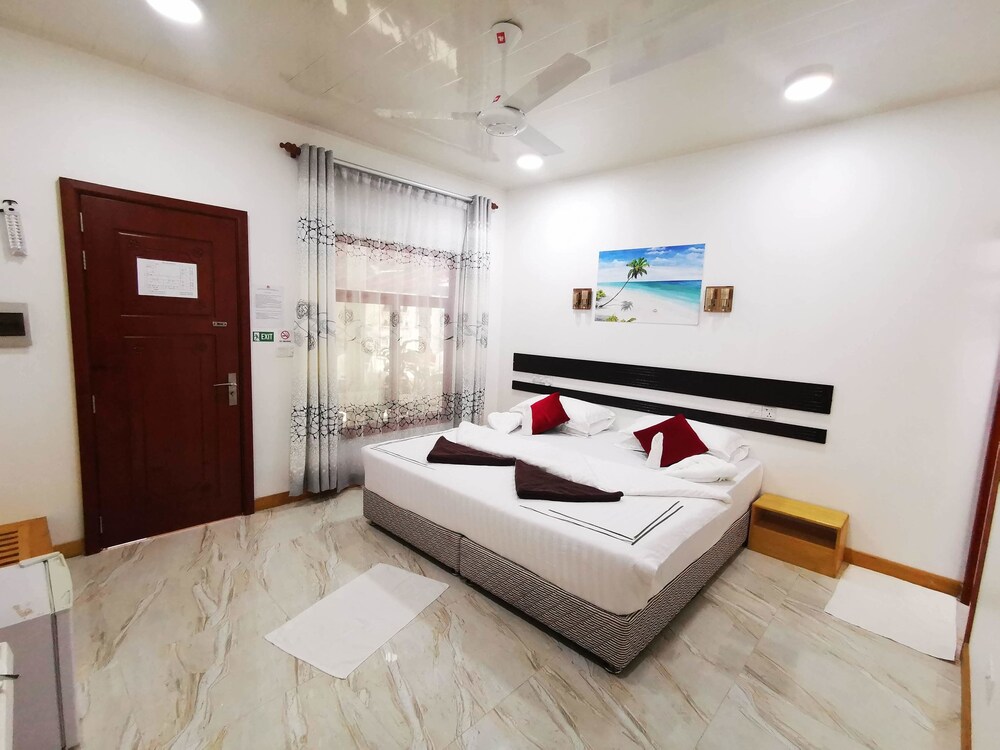
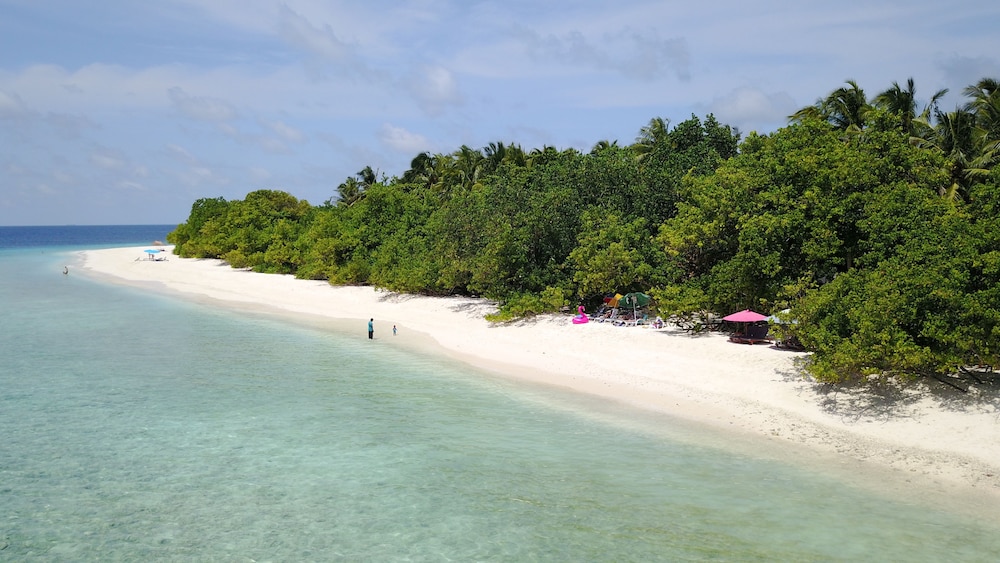
Where to stay
Hotels to consider
FAQ
Questions people ask
When is the northeast monsoon in the Maldives?+
Roughly December to April, with the steadiest, driest weather usually in January, February and March. Winds can still reach 15 to 20 knots in short spells, so leave one flexible day in a week-long trip rather than booking dives for every single morning.
Is diving better in the northeast or southwest monsoon?+
It depends on what you want. Northeast gives calmer western reefs and clearer water on Male and Ari; southwest brings the Hanifaru Bay manta season in Baa Atoll and better eastern-rim conditions. Neither is better overall — pick by marine life, not by season.
Can I see manta rays in the Maldives in February?+
Yes, but not in the numbers of the Baa Atoll plankton bloom, which peaks June to October. In iruvai, sightings move to cleaning stations on the outer reef, and you will share the water with fewer boats. Divers chasing large aggregations should plan for July to October.
How far is Dhigurah from Male airport?+
About 1 hour 45 minutes by public speedboat, or a 20-minute domestic flight to Maamigili followed by a short boat ride. The crossing can be rough in the southwest monsoon but is generally comfortable during iruvai, which matters for the whale shark trips that leave the harbour each morning.
What wetsuit do I need for Maldives diving?+
A 3mm shorty is enough for most divers, since water temperature stays around 28 to 30 degrees Celsius year-round. Repeated two-tank days can feel chilly by the third dive, so a full 3mm suit is a reasonable upgrade. Bring your own mask and fins if you have them.
Are guesthouses on Maafushi good for divers?+
Yes. Several small dive centres operate from the island with daily dhoni trips to North and South Male channels, and the public speedboat to Male takes around 30 minutes. It is a practical base for a week of diving without resort prices, though book courses in advance in high season.
Which atolls should I skip during the northeast monsoon?+
Addu and Fuvahmulah, for most travellers. The 500-kilometre crossing is long, and the seasonal current makes the southern thila dives unpredictable, with operators sometimes cancelling morning boats. Fly south if you go, and do not combine it with a Male-based week.
How early should I book a Maldives diving trip?+
Book five to seven months ahead for late December to early April, when European and Chinese school holidays overlap and small-size rental gear runs out. Guesthouse rooms on Maafushi and Dhigurah are the tightest constraint; resort islands have more flexibility at short notice.


